Exposed nails in wood aren’t just unsightly—they’re dangerous. Whether it’s a protruding spike in old flooring, a bent nail in siding, or a stubborn fastener in reclaimed lumber, knowing the right tool to cut nails in wood safely and efficiently can save time, prevent injury, and preserve structural integrity. Using the wrong method—like smashing with a hammer or forcing pliers—can split wood, weaken joints, or even start a fire. But with the right knowledge, you can eliminate hazards without creating new ones.
This guide breaks down the top tools proven to cut or manage nails in wood, from precision hand tools to heavy-duty power equipment. You’ll learn which tools deliver flush, invisible cuts for finish work, which are best for demolition, and when bending a nail is smarter than cutting it. We’ll also cover renter-friendly alternatives, critical safety warnings, and expert-recommended models—so you can choose the perfect solution for your project, no matter the scenario.
End Nippers: The Gold Standard for Flush Cuts
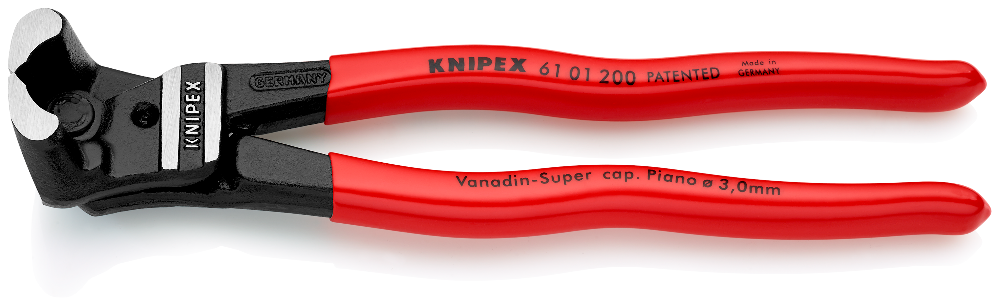
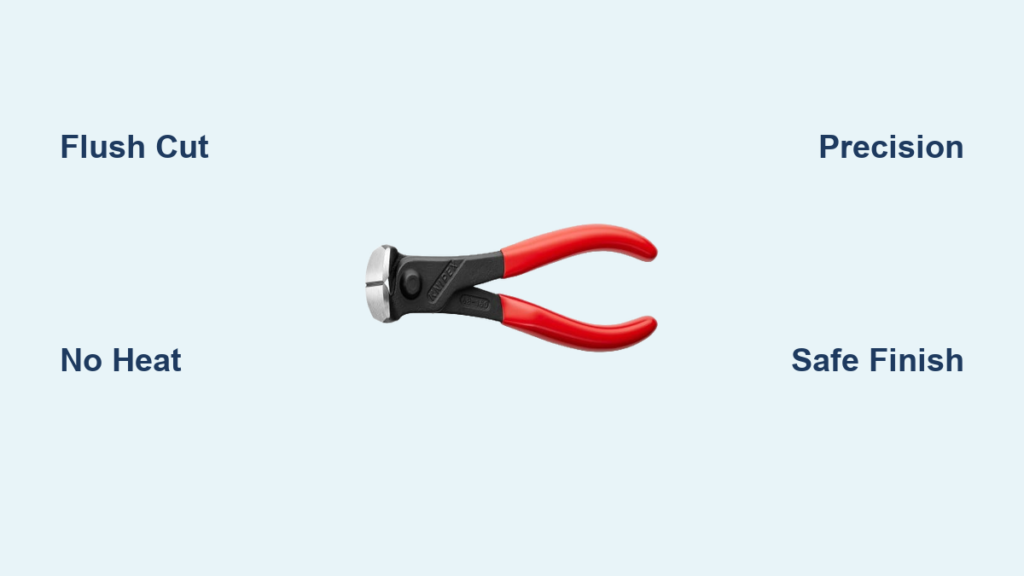
When you need a clean, invisible cut close to the wood surface, end nippers (also called flush-cutting pliers) are unmatched. Designed with a knife-and-anvil cutting mechanism, they slice through nail shanks while minimizing contact with surrounding wood—preventing marring and splitting.
Why End Nippers Are Ideal for Finish Work
The offset head and curved handle let you position the cutting edge flush against the surface, even in corners or tight joints. This design provides extra leverage, making it easier to cut hardened nails without straining. Unlike saws or grinders, end nippers produce no heat, sparks, or vibration, making them safe for delicate trim, cabinetry, or flooring repairs.
They’re especially useful when:
– The nail head is broken or missing
– You’re working near painted or finished surfaces
– Space is limited (e.g., baseboard corners)
Top Models for Durability and Precision
-
Knipex 61-01-200 High Leverage End Nippers
Forged German steel with a 64 HRC hardness rating ensures long-lasting sharpness. The 200 mm length and offset head deliver maximum leverage and access. Trusted by finish carpenters for years of reliable service. -
Milwaukee 48-22-6407 Nipping Pliers
A compact 7-inch option ideal for tight spaces. Heat-treated blades handle hardened steel nails without chipping. -
Husky 7-Inch End Nippers
Budget-friendly at under $15, yet backed by a lifetime warranty. Perfect for occasional DIYers.
Pro Tips for Better Results
- Use a putty knife as a fulcrum when pulling stubborn nails to avoid scratching wood.
- Grip under the nail head (if present) to extract it slightly before cutting—this reduces strain and improves cut quality.
- Clean and oil the pivot point after use to maintain smooth action and prevent rust.
Best for: Trim work, flooring, furniture repair, and any job where surface protection matters.
Oscillating Multi-Tool: Precision in Tight Spaces
Cutting a nail behind molding or inside a cabinet? An oscillating multi-tool is your go-to for controlled, low-impact cuts. Instead of spinning or reciprocating, its blade moves in rapid micro-oscillations—just a few degrees back and forth—minimizing lateral force and reducing the risk of damaging nearby materials.
How to Use It for Nail Cutting
Pair it with a carbide-tipped or carbide-grit blade for cutting hardened steel. These blades resist wear and deliver clean cuts even on tough nails. Diamond-coated blades also work but are more expensive.
The narrow profile fits into gaps as small as 1/2 inch, allowing access where larger tools can’t reach. You don’t need to grip the nail first—just position the blade and let it grind through.
Why Pros Choose It
- Minimal vibration prevents loosening adjacent fasteners
- Can cut flush without disassembling trim
- No hammering or prying required
Top Brands: DeWalt, Milwaukee
Usage Tips
- Clamp the nail with pliers to prevent movement
- Let the tool do the work—don’t force it
- Pause periodically to let the nail cool; heat buildup can damage the blade
Best for: Baseboards, crown molding, cabinetry, and interior trim work.
Rotary Tools: Grind, Don’t Cut
For the cleanest, most invisible finish, a rotary tool like a Dremel is hard to beat. Instead of cutting, it grinds down the nail end, eliminating sharp edges without shock or vibration.
What You’ll Need
- Dremel 4000 series (or equivalent) with variable speed control
- Diamond cutting wheel or thin metal cutoff disc (~1/16 inch thick)
These tools shine when:
– The nail is too short to grip
– You need zero protrusion
– Working near fragile materials (e.g., veneer, drywall)
Safety First
- Cutoff wheels can shatter—always wear safety goggles
- Nail ends get hot—let them cool before touching
- Secure the workpiece to prevent slipping
Pro Tip: Use light pressure and rotate the tool slightly to avoid overheating the disc.
Best for: Final smoothing, furniture repair, and invisible nail finishing.
Angle Grinder: Fastest for Bulk Cutting

When speed trumps finish, an angle grinder is the fastest way to cut multiple nails. A 4-inch model with a 1/8-inch thin cutoff wheel slices through nails in seconds—ideal for demolition, deck removal, or fence work.
Key Advantages
- Unmatched cutting speed
- Handles thick or hardened nails with ease
- Available in corded or battery-powered models
Downsides
- Generates sparks and intense heat—fire risk near flammable materials
- Can gouge or burn surrounding wood
- High vibration may loosen nearby nails
Safety Gear Required: Gloves, goggles, face shield
Best for: Outdoor demolition, bulk nail removal, and non-finished areas.
Reciprocating Saw: Power for Salvage Jobs
A reciprocating saw (like the Milwaukee Sawzall) is built for aggression. With a long blade and high-speed action, it tears through nails embedded in thick wood—perfect for reclaiming old lumber.
Why It’s a Demolition Staple
- Long reach accesses deep-set nails
- High-powered motor cuts fast
- Durable and widely available
Top Model: Milwaukee 12-amp corded Sawzall (~$100)
Risks
- Overkill for finish work—likely to gouge or overcut
- Vibration can compromise structural joints
- Not suitable for precision or tight spaces
Best for: Deconstruction, salvage yards, mixed-material cutting.
Hacksaw: Manual Control, Low Cost
No power? No problem. A hacksaw offers a reliable, spark-free way to cut nails with full control.
Best Model
- DeWalt 5-in-1 12-inch Hacksaw (~$25)
Sturdy frame, replaceable blades, and a front handle that doubles as a jab saw.
Pros and Cons
- Affordable and portable
- No electricity or noise
- Labor-intensive for multiple nails
- Less precise than powered tools
Best for: Occasional use, emergency repairs, or when power tools aren’t allowed.
Bolt Cutters: For Thick Nails and Spikes
Dealing with large-diameter spikes or bolts? Regular pliers won’t cut it. Bolt cutters use high mechanical leverage to slice through tough steel.
Top Picks
- H.K. Porter 8-Inch Wire Cutters (~$10)
Handles steel up to 4 mm (5/32 inch) - H.K. Porter 14-Inch Bolt Cutters (~$17)
Cuts nearly any nail or spike with ease
Limitations
- Bulky—hard to use in confined spaces
- Risk of wood damage if not positioned carefully
Best for: Fencing, structural spikes, outdoor repairs.
Hammer and Pliers: Bend, Don’t Cut
Sometimes, the best way to deal with a protruding nail is to bend it flush instead of cutting it.
The Clenching Method
- Grip the nail shaft with pliers
- Start the bend using a 2×4 block (keeps hands safe)
- Finish flattening with a hammer
- Tap the tip into the grain to secure
Why It Works
- Preserves structural strength—bent nails resist pull-out better than cut ones
- No heat, sparks, or vibration
- Maintains siding or framing integrity
Best for: Roofing, siding, framing, and any area where nail strength matters.
Critical Safety Warnings
Never Cut Structural Nails
Cutting nails in siding, roofing, or wind-exposed areas can lead to:
– Water infiltration
– Siding detachment
– Long-term structural failure
Nails need at least 1 inch of penetration to hold securely. Cutting reduces this, weakening the joint.
Vibration Risks
Oscillating tools, grinders, and saws can loosen nearby nails, especially in older homes. Always inspect surrounding fasteners after use.
Heat and Sparks
- Nail ends get extremely hot during cutting
- Sparks from grinders can ignite dry wood or insulation
- Always allow cooling time and keep a fire extinguisher nearby
Eye and Hand Protection
- Always wear safety goggles—cutoff wheels can explode
- Use gloves when handling cut or bent nails
- Secure the workpiece to prevent movement
Renter-Friendly Alternatives
If you’re renting, do not cut or modify structural elements—you could void your lease.
Safe, Non-Destructive Options
- Foam insulation covers: Slide blue or pink foam over the nail shaft
- Pool noodles: Cut lengthwise and fit over exposed nails
- Plywood or scrap wood covers: Screw or tape over the area (never nail)
- Tyvek-wrapped cardboard: Staple around (not into) the nail for weather protection
Always report hazards to your landlord first with photo evidence.
Final Verdict: What’s the Best Tool?
The best tool to cut nails in wood depends on your goal:
- For finish work: End nippers or rotary tools deliver invisible, safe cuts.
- For demolition: Reciprocating saws or angle grinders offer unmatched speed.
- For tight spaces: Oscillating tools or offset nippers provide precision access.
- For structural integrity: Bend the nail—don’t cut it.
- For renters: Cover it—don’t modify it.
Bottom Line: When cutting is necessary, end nippers and rotary tools offer the safest, most controlled results. Always prioritize safety, structural integrity, and the right tool for the job. With the right approach, you can eliminate nail hazards—without creating new ones.