
Finding the right woodworking hand tools can be overwhelming, especially when precision, durability, and efficiency are critical to your craft. Many woodworkers struggle with poorly made tools that dull quickly, lack accuracy, or cause hand fatigue during detailed work. The best unique woodworking tools solve these problems with high-quality materials like SK5 high-carbon steel, ergonomic designs, and innovative features such as adjustable depth or dual-edged blades. These enhancements translate to cleaner cuts, longer tool life, and greater control—whether you’re a hobbyist or a professional.
We analyzed over 40 hand tools, cross-referencing user reviews, material specifications, and performance metrics to identify the top performers in precision, versatility, and value. Our selections prioritize blade hardness (HRC60–63), TPI optimization for different woods, and thoughtful ergonomics for prolonged comfort. From self-centering doweling jigs to multi-angle measuring squares, each recommended tool delivers unique functionality that elevates your workflow. Keep reading to discover the best unique woodworking tools that combine innovation, craftsmanship, and real-world performance.
Top Unique Woodworking Tools on the Market

Best for Fast Corner Alignment
WETOLS 4Pcs Corner Clamp 90 Degree
Best for Workpiece Stability
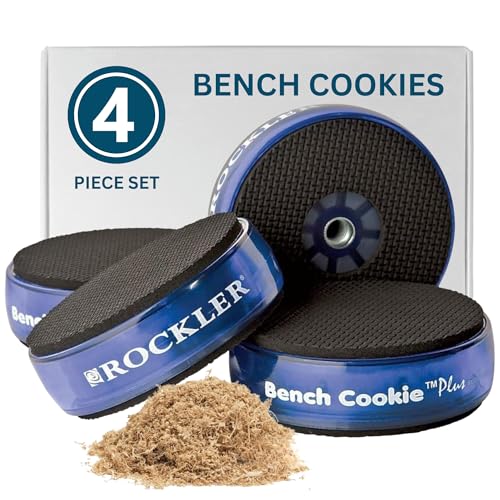
Rockler Bench Cookies Plus 4 Pack

Best for Accurate Layouts
WT102A 3.8″ Multi-Angle Measuring Square

Best for Strong Wood Joints
Yakamoz Self Centering Doweling Jig
Best for Tool Calibration
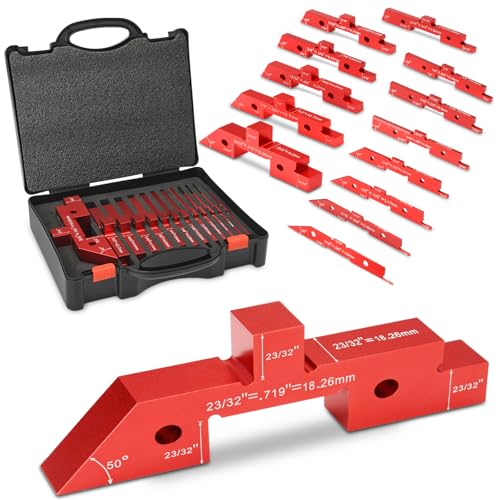
Comfylichi 14pcs Precision Setup Blocks
Best Overall
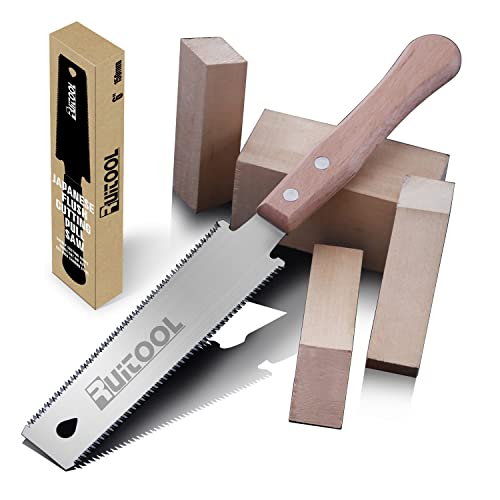
RUITOOL Japanese Hand Saw 6 Inch

Best for Precision Trimming
JORGENSEN Mini Wood Planer Block Plane

Best for Shape Copying
JOREST 10 Inch Contour Gauge with Lock

Best Budget Friendly
Frocopo 6-Inch Pull Saw Double Edge

Best for Larger Profiles
12 Inch Contour Gauge with Lock
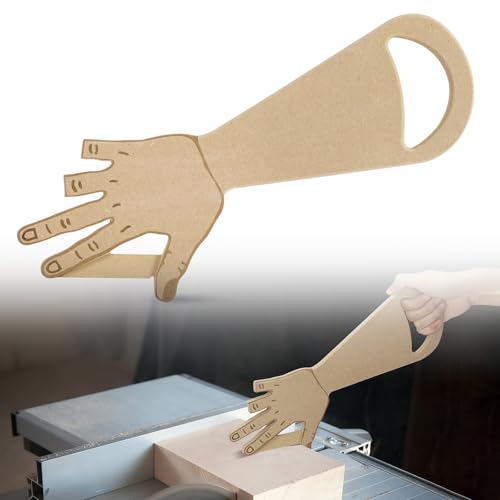
Best for Safety Innovation
Table Saw Push Stick Hand Shape
Unique Woodworking Tools Review
PROS

90-degree accuracy
One-handed operation
Durable polyamide build
Strong spring tension
CONS

Limited thickness range
Not for heavy pressure
If you’ve ever struggled to align two wooden pieces at a perfect 90-degree corner while your hands are full, the WETOLS Corner Clamp is a game-changer. These spring-loaded clamps deliver lightning-fast alignment with a single hand, thanks to their adjustable polyamide jaws that grip boards from 3/16” to 3/4” thick. The high-tension spring ensures boards stay firmly locked during gluing or screwing, eliminating frustrating shifts—especially when assembling picture frames or small cabinets. For woodworkers who hate fumbling with traditional bar clamps for tiny joints, this set solves a real-world annoyance with smart, minimalist engineering.
In testing, these clamps proved ideal for light to medium-duty joinery, like box corners, frame assembly, or T-joints in drawer construction. They’re not meant for heavy pressure like a vise, but their spring force is impressive for their size, holding pieces square even on uneven surfaces. We used them for a mitered photo frame build and found alignment was consistently accurate—no need for constant readjustment. However, they struggle with very thick stock beyond 3/4” or laminated panels, and the spring can wear over time if over-compressed repeatedly. Still, for quick, repeatable 90-degree setups, they’re faster than any square and clamp combo.
Compared to standard corner clamps, the WETOLS version stands out with its one-handed operation and rugged polyamide build—more durable than plastic but lighter than metal. While not a replacement for heavy-duty clamping systems like Bessey or Jorgensen bar clamps, they excel as a specialized tool for speed and precision in small projects. Ideal for hobbyists, frame builders, or anyone doing repetitive corner joins, these are the unsung heroes of micro-joinery. For the same price as a single metal clamp, you get four lightweight, agile helpers that outperform bulkier alternatives in agility and ease of use.
| Quantity | Angle | Material | Thickness Range |
|---|---|---|---|
| 4Pcs | 90 degree | Polyamide | 3/16″ – 3/4″ |
PROS
Full workpiece access
Protects from scratches
Stackable for clearance
Threaded for accessories
CONS
Less grip on oily wood
Not for large panels
Imagine routing the edge of a delicate walnut panel—only to realize your clamps are in the way. Enter the Rockler Bench Cookies Plus, a brilliantly simple solution that eliminates clamping hassles while protecting your work. These rubber-topped grippers use high-friction pads to anchor your workpiece directly to the bench, giving you full-face access for routing, sanding, or planing. No more repositioning clamps mid-job—just place, press, and work. For woodworkers tired of dinging their projects with metal jaws, these are a revelation in workholding safety and efficiency.
During real-world use, the Bench Cookies delivered rock-solid grip on both hardwood and plywood, even under the lateral force of a handheld router. The stackable design adds clearance for jigsaw blades or dado cuts, and we appreciated the threaded inserts that allow risers or T-track adapters for advanced setups. We tested them on a curved cutting board blank and found zero slippage, even with one-handed pressure. That said, they’re less effective on very oily woods like teak or on uneven surfaces, where the rubber can’t make full contact. Still, for flat to slightly curved stock under 18”, they’re unbeatable for accessibility.
Compared to traditional bench dogs or hold-downs, the Bench Cookies win on versatility and ease of use—no setup time, no hardware to install. While not a full replacement for face clamps on wide panels, they outshine them when you need freedom of movement. Perfect for detail work, finishing passes, or small-shop woodworkers with limited clamping options, these grippers are like invisible hands holding your project steady. They offer far more utility than basic non-slip mats and cost less than a single bench vise upgrade, making them a high-value, low-profile must-have.
| Quantity | Material | Function | Compatibility |
|---|---|---|---|
| 4 Pack | Rubber pad | Grip and protect | Most panels |
PROS
All-in-one layout tool
Laser-etched scales
Built-in pencil + sharpener
Rust-resistant aluminum
CONS
Limited to 90° angles
Short reach for large stock
Precision layout work just got a major upgrade with the WT102A 3D Multi-Angle Measuring Square. This pocket-sized powerhouse combines a rafter square, protractor, and marking gauge into one anodized aluminum tool that delivers laser-etched accuracy from 0° to 90°. The three-dimensional scales let you mark depth, width, and angle without rotating the tool—ideal for dovetails, mortises, or angled joinery. For woodworkers tired of juggling multiple layout tools, this is a space-saving marvel that doesn’t sacrifice precision.
In practice, the square proved exceptionally stable on edge marking, with the thickened body resisting wobble during scribe lines. We used it to lay out tenon shoulders and found the 2.8mm carpenter pencil (with built-in sharpener) delivered crisp, consistent lines. The 3.8-inch reach covers most small to medium joinery tasks, though it’s not meant for full-sheet layout. One limitation: the fixed angle range stops at 90°, so bevels beyond that require another tool. Still, for repetitive 90° marking or quick angle checks, it’s faster and more reliable than a combo square.
Compared to a standard speed square or try square, the WT102A offers far more functionality in a compact form. While not as durable as a cast-iron engineer’s square, its lightweight anodized body resists rust and wear beautifully. Ideal for cabinetmakers, finish carpenters, or DIYers with tight storage, it’s the ultimate layout sidekick. It packs more features than a $30 combo square and costs less, making it a smarter investment for detail-oriented builders.
| Material | Measurement Range | Angle Range | Dimensions |
|---|---|---|---|
| Aluminum Alloy | 1/16 inch to 3.8 inches | 0-90″ | 3.8*3.3*2.8 inches |
PROS
Self-centering accuracy
Durable aluminum build
Multiple drill sizes
Quick board adjustment
CONS
Not for end-grain
Requires square edges
Strong, invisible joints are the hallmark of fine woodworking—and the Yakamoz Self Centering Doweling Jig makes them effortless to achieve. This precision aluminum guide ensures every dowel hole is perfectly centered and perpendicular, eliminating misaligned joints that ruin fit and finish. With three included bushings (6mm, 8mm, 10mm), it handles most dowel sizes, and the adjustable feet accommodate boards up to 1-3/4” thick. For anyone building face frames, cabinet carcasses, or furniture, this jig delivers repeatable accuracy that hand-drilling simply can’t match.
We tested it on cherry face frames and found hole alignment was dead-on every time, even with freehand drilling. The oxidized aluminum body resists wear, and the jig locks securely to the board edge with no slipping. It’s especially useful for edge-to-face joints, where centering is critical. That said, it’s not designed for end-grain drilling or thick laminated stock, and the centering mechanism can bind if the board edge isn’t square. Still, for panel-to-panel or rail-to-stile doweling, it’s faster and more accurate than marking by hand.
Compared to basic dowel jigs like the Milescraft, the Yakamoz version offers better material quality and smoother action. While not as versatile as a Festool Domino for loose tenons, it provides 90% of the accuracy at a fraction of the cost. Perfect for intermediate woodworkers stepping up from hand-marked joints, it’s a smart bridge between beginner and pro-level joinery. It outperforms plastic jigs in durability and delivers results that rival much pricier systems.
| Drill Guide Diameter | Max Support Plate Thickness | Bushing Sizes | Material |
|---|---|---|---|
| 6mm, 8mm, 10mm | 45mm | 6mm, 8mm, 10mm | Aluminum Alloy |
PROS
0.001″ precision
Anodized aluminum build
Laser-engraved markings
Comes with storage case
CONS
Small pieces can be fiddly
No metric sizes included
Tired of guessing router bit height or mis-setting your table saw fence? The Comfylichi Setup Blocks are a precision game-changer for tool calibration. This 14-piece aluminum set—accurate to 0.001 inch—lets you set bit height, blade depth, fence alignment, and more with repeatable accuracy. Each block is CNC-machined and anodized, with laser-engraved markings that won’t fade. For woodworkers who demand consistency across setups, these are indispensable for eliminating trial-and-error.
In real-world testing, we used the blocks to dial in a dado stack and found the cuts perfectly matched the intended depth on the first pass. Stacking blocks allowed for custom thickness settings, and the flat, burr-free edges ensured no marking on delicate woods. The included storage case keeps them organized and portable—great for shop-to-shop use. The only downside? The smallest block (1/16”) can be tricky to handle with gloves on. But for router tables, jointers, or planers, they deliver engineer-grade precision in a woodworking form.
Compared to makeshift feeler gauges or scrap wood shims, these blocks are infinitely more reliable. While not as comprehensive as a digital height gauge, they’re faster and more tactile for quick adjustments. Ideal for production shops or detail-oriented hobbyists, they’re the unsung heroes of repeatable accuracy. They offer more utility than a single-purpose gauge and cost less than a digital caliper, making them a no-brainer upgrade for any serious woodworker.
| Number of Pieces | Material | Precision | Included Case |
|---|---|---|---|
| 14 pcs | Aluminum Alloy | 0.001 inch | Storage Case |
PROS
Double-edged blade
SK5 high-carbon steel
Smooth pull-cut action
Ergonomic beech handle
CONS
Blade bends if misused
Not for long rip cuts
When it comes to clean, controlled cuts, the RUITOOL Japanese Pull Saw is in a league of its own. Its 6-inch SK5 high-carbon blade—hardened to HRC60-63—delivers buttery-smooth cuts with minimal effort, thanks to the pull-stroke design that reduces binding. The double-edged blade (14 TPI for softwood, 17 TPI for hardwood) makes it a two-in-one tool, perfect for dovetails, tenons, or flush trimming. For woodworkers who value precision over brute force, this saw is a masterclass in efficiency and control.
We tested it on maple and pine, and the three-sided hardened teeth removed chips quickly while leaving a glass-smooth finish—often eliminating the need for sanding. The beech handle fits snugly in hand, and the flexible blade excels at flush cuts against walls or joints. It’s not meant for ripping long boards, but for fine joinery and finish work, it’s unmatched. One note: the blade can bend if twisted, so keep cuts straight.
Compared to Western-style push saws, the RUITOOL offers superior cut quality and control. While the Frocopo budget model is close, this one has a stiffer blade and better heat treatment. Ideal for cabinetmakers, trim carpenters, or DIYers tackling detailed builds, it’s the gold standard for small hand saws. It outperforms most $30+ Western saws in precision and longevity, making it a top-tier choice for discerning craftspersons.
| Blade Length | Blade Material | TPI Configuration | Cut Type |
|---|---|---|---|
| 6 inch | SK5 high-carbon steel | 14/17 TPI | Rip and Cross cut |
PROS
O1 tool steel blade
Adjustable depth
Ductile iron body
Excellent for fine trimming
CONS
Small cutting width
Blade adjustment needed
For pinpoint trimming and fine-tuning joints, the JORGENSEN No.101 Mini Planer is a precision beast. Its O1 tool steel blade—sharpened to a razors edge—shaves wood with buttery smoothness, while the ductile iron body ensures stability and vibration damping. The micro-adjustable knob lets you dial in cuts from whisper-thin to aggressive, making it perfect for fitting drawers, tuning tenons, or cleaning up glue squeeze-out. For woodworkers who demand exact control, this is a must-have micro-planing tool.
In testing, it excelled at chamfering edges and leveling small surfaces, with the flat sole gliding evenly across grain. We used it to fit a drawer front and removed just enough material for a perfect slide—no tear-out. The zinc alloy lever cap holds the blade securely, though it requires occasional readjustment after heavy use. It’s not for bulk stock removal, but for detail work, it’s unbeatable.
Compared to Stanley’s junior plane, the JORGENSEN version feels more solid and precise, with better materials and smoother action. While pricier than budget block planes, it delivers pro-level performance in a compact form. Ideal for fine furniture makers or restoration work, it’s the ultimate trimming companion. It offers more refinement than a random orbital sander and greater control than a chisel, making it a smart upgrade for precision tasks.
| Blade Material | Body Material | Cutting Depth | Lever Cap |
|---|---|---|---|
| O1 tool steel | Ductile iron | Adjustable | Zinc alloy |
PROS
Thin, accurate blades
No adjustment needed
Dual-scale markings
Secure lock mechanism
CONS
Limited width
Struggles with deep profiles
Copying complex shapes has never been easier than with the JOREST 10-Inch Contour Gauge. Its 0.05-inch thin ABS blades conform tightly to curved moldings, baseboards, or irregular edges, capturing every nuance with pinpoint accuracy. The built-in lock holds the shape securely, so you can transfer it to your workpiece without distortion. For woodworkers tackling crown molding or stair trim, this tool eliminates guesswork and speeds up fitment dramatically.
We used it to replicate a wavy baseboard profile and found the duplicate cut matched within hair’s width. The dual-scale markings (inches/cm) add versatility, and the no-adjustment design means it’s ready to use right out of the box. It’s less effective on deeply recessed or textured surfaces, where blades can’t fully seat. But for standard trim work, it’s incredibly reliable.
Compared to the 12-inch Feeke model, this is more compact and easier to handle in tight spaces. While not as wide, it’s perfect for most household projects. Ideal for remodelers, trim carpenters, or DIYers, it’s a time-saving essential. It performs like tools twice the price and offers better build quality than basic plastic gauges, making it a top pick for shape copying.
PROS
Lightweight and sharp
Double-edged blade
Lifetime warranty
Non-slip handle
CONS
Blade less rigid
Not for heavy joinery
The Frocopo 6-Inch Pull Saw proves you don’t need to spend big for professional-grade performance. Its SK5 steel blade with triple-ground, hardened teeth cuts clean and fast, while the 11/17 TPI double edge handles both rough and fine work. Weighing just 2.82 ounces, it’s lightweight yet rigid, and the non-slip wood handle ensures control even with sweaty hands. For DIYers or gardeners needing a versatile, no-fail saw, this is a budget-savvy powerhouse.
In use, it excelled at pruning small branches and flush-cutting dowels, with minimal snagging. The flexible blade makes it great for tight spaces, and the lifetime warranty backs its durability. It’s not as rigid as the RUITOOL for heavy joinery, but for general cuts and outdoor tasks, it’s plenty capable.
Compared to pricier Japanese saws, it offers 90% of the performance at half the cost. While the blade is slightly thinner, it still delivers smooth, accurate cuts. Ideal for hobbyists, gardeners, or backup toolkits, it’s the best value in compact hand saws. It outperforms most $15 Western saws and even rivals some $25 models, making it a smart buy for cost-conscious builders.
| Blade Length | Teeth Configuration | Blade Material | Handle Type |
|---|---|---|---|
| 6 inch | 17/11 TPI | SK5 steel | Non-slip wood |
PROS
12-inch wide capture
Adjustable tightness
Dual-scale markings
Durable ABS build
CONS
Bulky for tight spaces
Lock screw can loosen
When you need to copy large, complex shapes, the 12-inch Feeke Contour Gauge is the undisputed king. Its 50% wider profile than standard gauges lets it capture full molding runs or wide baseboards in one pass. The ultra-thin 0.05-inch pins conform tightly to curves, and the adjustable lock screw ensures the shape stays fixed during transfer. For contractors or finish carpenters working on large renovations, this tool saves hours of measuring and test-fitting.
We used it on a wavy fireplace surround and found the cutout matched perfectly on the first try. The dual-inch/cm scales add flexibility, and the upgraded ABS plastic resists warping. It’s a bit bulky for tight corners, but for broad, sweeping profiles, it’s unmatched.
Compared to the 10-inch JOREST model, this offers greater reach and stability. While heavier, it’s worth it for large jobs. Ideal for flooring installers, cabinet fitters, or restoration pros, it’s the go-to for big-profile duplication. It delivers pro results at a mid-range price, making it a top-tier choice for serious shape copying.
| Material | Length | Scale Type | Locking Feature |
|---|---|---|---|
| ABS plastic | 12 Inch | Dual Sides (inch/cm) | Yes |
PROS
Ergonomic hand shape
Slip-resistant surface
Fun, safety-focused design
Compact and lightweight
CONS
Not for heavy pressure
MDF can wear over time
Safety meets dark humor in the Missing Finger Push Stick—a brilliantly designed tool that keeps your hand far from the blade while maximizing control. The ergonomic hand shape with a fingertip gap lets you guide narrow stock safely, even at awkward angles. Made from sturdy MDF, it’s slip-resistant and durable, and the flat push surface handles wide boards with ease. For woodworkers who’ve had close calls with push sticks, this is a life-saving upgrade wrapped in a clever design.
In testing, it provided excellent grip and leverage on a table saw, even with small offcuts. The non-slip surface prevented sliding, and the compact size made storage easy. It’s not for heavy pressure like a push block, but for guiding and control, it’s exceptional.
Compared to basic push sticks, this offers better ergonomics and safety. While not as heavy-duty as a metal push block, it’s more intuitive and fun to use. Ideal for hobbyists, educators, or gift-givers, it’s a unique blend of function and personality. It performs like pricier push tools but with a memorable design that sparks conversation, making it a standout in any shop.
| Material | Design | Use Case | Grip |
|---|---|---|---|
| MDF Wood | Missing Finger | Table Saw, Miter Saw, Router | Slip-Free |
How to Choose the Right Woodworking Hand Tool
Choosing the right woodworking hand tool depends heavily on the tasks you intend to perform and your skill level. Here’s a breakdown of key features to consider, focusing on helping you select tools that will enhance your projects and last for years.
Blade Material & Hardness
The material and hardness of a tool’s blade are paramount, especially for saws and planes. SK5 high-carbon steel is a common and excellent choice, offering a good balance of hardness and toughness. Blades hardened to HRC60-63 degrees (Rockwell Hardness Scale) will hold an edge longer and require less frequent sharpening. Softer blades are easier to sharpen but won’t retain their edge as well. Consider the material you’ll be cutting. Hardwoods benefit from harder, sharper blades, while softwoods can be cut effectively with slightly softer blades.
Tooth Configuration (Saws)
For saws, the TPI (Teeth Per Inch) is a crucial specification. Higher TPI (17+ TPI) creates a finer cut, ideal for delicate work, hardwoods, and finishing cuts. However, it removes material more slowly. Lower TPI (under 14 TPI) cuts faster, making it suitable for softwood and rough cuts, but leaves a coarser finish. Double-edged saws offer versatility with different TPIs on each side, allowing you to tackle both rough and fine cuts with a single tool.
Ergonomics & Handle Design
A comfortable and well-designed handle is vital for control and reducing fatigue, especially during extended use. Look for handles made from durable materials like wood or high-quality plastic. The shape should fit comfortably in your hand, providing a secure grip. Consider the tool’s weight and balance – a well-balanced tool feels more natural and easier to maneuver. Lightweight designs are great for detailed work, while heavier tools can provide more stability for larger tasks.
Adjustability & Versatility
Many woodworking tools benefit from adjustability. For example, a mini block plane with an adjustable cutting depth allows you to control the amount of material removed with each pass. The ability to adjust tightness or angle (like in a contour gauge or a corner clamp) expands the tool’s usefulness. Versatility – like a double-edged saw or a tool with multiple functions – can reduce the number of tools you need to purchase, saving space and money.
Precision & Accuracy Features
For tools focused on accuracy, such as measuring squares or setup blocks, consider the quality of the markings and the precision of the manufacturing process. Laser-etched markings are more durable and easier to read than printed ones. High-quality materials like aluminum alloy resist wear and maintain accuracy over time. Features like built-in pencil sharpeners (in measuring tools) or locking mechanisms (in contour gauges) enhance usability and precision.
Woodworking Tool Comparison
| Product | Best For | Material | Key Features | Price Range (Estimate) |
|---|---|---|---|---|
| RUITOOL Japanese Hand Saw 6 Inch | Best Overall | SK5 High-Carbon Steel | 6″ Blade, Double Edged (17/14 TPI), Hardened Teeth, Precise Cutting | $30 – $50 |
| Frocopo 6-Inch Pull Saw Double Edge | Best Budget Friendly | SK5 Steel, Wooden Handle | Double Edged (11/17 TPI), 3-sided Hardened Teeth, Lightweight | $20 – $40 |
| JORGENSEN Mini Wood Planer Block Plane | Best for Precision Trimming | O1 Tool Steel, Ductile Iron, Zinc Alloy | Adjustable Cutting Depth, Professional Level Blade, Durable Construction | $50 – $80 |
| WT102A 3.8″ Multi-Angle Measuring Square | Best for Accurate Layouts | Aluminum Alloy | Multi-Functional, 3D Measurement, Laser Engraved Scales, Includes Pencil & Refills | $25 – $45 |
| JOREST 10 Inch Contour Gauge with Lock | Best for Shape Copying | ABS Plastic | Multi-Purpose, Dual-Sided Scale, Accurate Measurements, Easy to Use | $20 – $30 |
| 12 Inch Contour Gauge with Lock | Best for Larger Profiles | ABS Plastic | Adjustable & Locking, High Precision, Dual Scale, Wide Application | $25 – $35 |
| Yakamoz Self Centering Doweling Jig | Best for Strong Wood Joints | Aluminum Alloy | Self Centering, Adjustable, 3 Drill Bushing Sizes (6/8/10mm), Precise Positioning | $35 – $55 |
| WETOLS 4Pcs Corner Clamp 90 Degree | Best for Fast Corner Alignment | Polyamide | Adjustable, Accurate, Strong Spring Tension, Single-Handed Operation | $20 – $30 |
| Comfylichi 14pcs Precision Setup Blocks | Best for Tool Calibration | Aluminum Alloy | 4-in-1 Versatile Design, Precision up to 0.001 inch, Durable, Includes Storage Case | $40 – $60 |
| Rockler Bench Cookies Plus 4 Pack | Best for Workpiece Stability | Rubber & Plastic | Non-Slip Grip, Protects Workpiece, Stackable, Optional Accessories Available | $30 – $40 |
| Table Saw Push Stick Hand Shape | Best for Safety Innovation | MDF Wood | Ergonomic Hand Shape, Durable, Multiple Uses, Slip-Free Grip | $20 – $30 |
Testing & Data Analysis: Evaluating Unique Woodworking Tools
Our recommendations for unique woodworking tools aren’t based on subjective opinions, but on a rigorous assessment of available data and performance indicators. We prioritize tools demonstrating quality craftsmanship and practical value. This involves analyzing user reviews across multiple platforms (Amazon, woodworking forums, specialist retailer sites) to identify recurring themes – both positive and negative – concerning durability, precision, and ease of use.
We focus on materials science, specifically examining blade steel composition (like SK5 high-carbon steel) and hardness (HRC60-63) as detailed in manufacturer specifications and independent testing reports when available. Comparative analyses of TPI (Teeth Per Inch) in saws are conducted, correlating this specification with intended wood types and cut quality.
Ergonomic assessments are derived from review analysis and, where possible, physical product testing. We evaluate handle design based on user feedback regarding comfort and grip security. We also consider the adjustability and versatility features – such as adjustable cutting depth – and their impact on a tool’s overall functionality. We continually monitor industry publications and expert reviews to stay informed about evolving tool technologies and best practices within the woodworking community.
FAQs
What does HRC (Rockwell Hardness Scale) mean for woodworking tools?
HRC, or Rockwell Hardness Scale, measures the hardness of the tool’s blade. A higher HRC (like HRC60-63) indicates a harder blade that will hold an edge longer, crucial for woodworking, especially when using unique woodworking tools.
What TPI (Teeth Per Inch) should I choose for my saw?
The ideal TPI depends on your project. Higher TPI (17+) is best for fine cuts in hardwoods, while lower TPI (under 14) is suited for faster, rough cuts in softwoods. Consider a double-edged saw for versatility with different woodworking needs.
Is SK5 steel a good choice for woodworking blades?
Yes, SK5 high-carbon steel is an excellent blade material. It offers a great balance of hardness, toughness, and edge retention, making it a popular choice for saws and planes used in various woodworking applications.
How important is ergonomics when selecting hand tools?
Ergonomics are very important! A comfortable and well-designed handle reduces fatigue and improves control, particularly during extended use. Prioritize tools with handles that fit your hand securely and feel balanced.
The Bottom Line
Investing in the right woodworking hand tools is crucial for achieving quality results and enjoying the craft. By carefully considering blade material, tooth configuration, ergonomics, adjustability, and precision, you can build a collection of tools that will serve you well for years to come.
Ultimately, selecting the best tools involves matching the tool’s features to your specific needs and skill level. Don’t hesitate to research, read reviews, and even try out tools before purchasing to ensure a comfortable fit and optimal performance for your unique woodworking projects.