Cutting a screw might seem unusual, but it’s a practical and often necessary task in DIY, construction, and repair work. Whether you’re shortening a long screw for a flush fit, removing a damaged fastener, or modifying hardware on-site, knowing the right tool to cut a screw can save time, materials, and frustration. The good news? You don’t need exotic equipment—most of the tools required are already in your toolbox or workshop. The key is matching the tool to the screw size, material, accessibility, and desired finish.
From quick snips with wire strippers to precision cuts with a Dremel or high-speed slices using an angle grinder, this guide covers every effective method backed by real-world use and expert insight. Whether you’re a weekend warrior or a seasoned pro, you’ll learn which tools work best, how to use them safely, and pro tips for clean, functional results.
Bolt Cutters: Fast and Strong for Medium Screws
When you need to cut a screw up to 6 mm (M5), bolt cutters are among the most efficient tools available.
Why Bolt Cutters Work So Well
Their compound leverage design delivers massive cutting force with minimal effort. The hardened jaws slice cleanly through steel, brass, or aluminum screws in seconds. A 14-inch model is ideal for most household jobs and costs under $20.
How to Cut a Screw with Bolt Cutters
- Mark your cut line with a permanent marker.
- Clamp the screw securely in a vise.
- Position the jaws directly over the mark.
- Squeeze the handles firmly until the screw snaps.
- File the end to remove sharp burrs.
Pro Tip: Use the two-nut method—screw two nuts onto the shaft just above the cut point. After cutting, unscrew them to clean up and restore thread integrity.
Limitations to Know
Bolt cutters struggle with M6+ or hardened steel screws. They can also crush softer metals if misaligned. Not suitable for flush cuts on installed screws due to bulk.
Hacksaw: Reliable Manual Control for Any Size
When power tools aren’t an option, a hacksaw offers unmatched control and reliability.
Best For Long Screws or Field Work
Ideal when working remotely, without electricity, or when precision matters more than speed.
Step-by-Step Cutting Process
- Mark the screw clearly.
- Secure it in a vise using two jammed nuts to prevent spinning.
- Start the cut slowly to avoid blade wandering.
- Use steady, light-pressure strokes.
- Finish with a file to smooth the edge.
Blade Selection Matters
Use a bi-metal blade with 18–32 teeth per inch for clean, fast cuts. For flush trimming, angle the blade between screw threads to minimize damage.
Avoid These Common Mistakes
- Crooked cuts from loose clamping—always secure tightly.
- Blade breakage from excessive pressure—let the teeth do the work.
Angle Grinder: Power Through Tough Screws in Seconds
For thick or hardened screws, an angle grinder is the fastest and most powerful option.
Why It’s the Top Choice for Heavy-Duty Jobs
Equipped with a 4.5-inch metal-cutting disc, it slices through any screw in under 30 seconds. Perfect for workshop or job-site use.
Safe Cutting Procedure
- Install a metal-cutting disc.
- Mark the cut point.
- Clamp the screw firmly.
- Wear goggles, gloves, and ear protection.
- Guide the disc along the line with light pressure.
- Deburr the edge with a grinding wheel or file.
Watch the Sparks
Consistent spark trails mean you’re cutting straight. Uneven sparks? Stop and reposition.
Expert Insight: Home improvement specialist Ryaan Tuttle says, “Grinders or Dremel tools are amazing for cutting screws.” Their speed and precision make them indispensable.
Oscillating Multi-Tool: Master of Flush Cuts
Need to cut a screw flush with wood, drywall, or cabinetry? The oscillating multi-tool is unmatched.
Perfect for Installed Screws
No need to disassemble furniture or remove trim—just cut right in place.
How to Make a Flush Cut
- Install a metal-cutting oscillating blade.
- Angle the tool flat against the surface.
- Center the blade on the screw.
- Start at low speed; use gentle back-and-forth motion.
- Stop periodically to prevent overheating.
Key Advantages
- Minimal damage to surrounding material.
- Works in tight corners and behind fixtures.
- Delivers clean, precise results.
Blade Life Warning
Metal wears down blades fast. Use high-quality blades and replace them early to maintain performance.
Reciprocating Saw: Speed for Bulk Cutting
When you have multiple screws or bolts to cut—like during demolition—the reciprocating saw (or Sawzall) is your fastest ally.
Ideal for Renovation and Teardowns
Commonly used to cut screws flush with flooring, studs, or joists.
Cutting Technique
- Fit a bi-metal long blade.
- Position the blade flat on the surface.
- Turn on and guide it through the screw—don’t force it.
- Let the rapid back-and-forth motion do the work.
Trade-Off: Speed Over Precision
Less accurate than other tools, but unbeatable for volume. One pass cuts nails, screws, and bolts alike.
Dremel: Precision for Small Jobs
For tiny screws or tight spaces, a Dremel or rotary tool is ideal.
Best Uses
Trimming screw heads, cutting small fasteners, or working inside electronics or cabinetry.
How to Use It
- Attach a small metal-cutting disc.
- Clamp the screw or stabilize the workpiece.
- Turn on and guide the disc along the mark.
- Deburr with a grinding bit.
Bonus Functionality
After cutting, switch to a polishing bit to smooth the edge or clean surrounding areas.
User Insight: “The little spinning metal cutting disk can dip all the little metal heads right off.” — Ryaan Tuttle
Drill with Cutting Attachment: Fastest Workshop Method
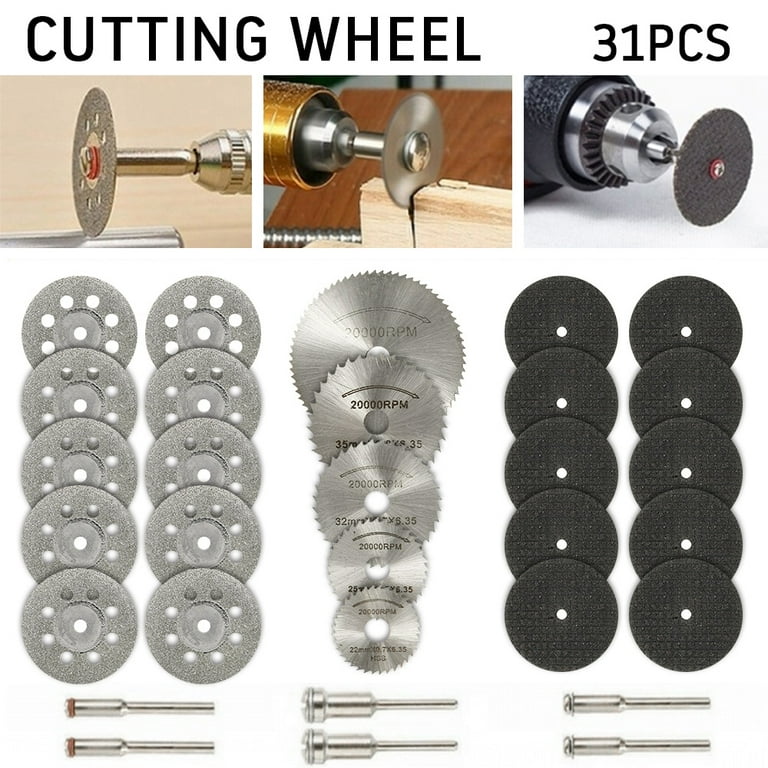
This underused but ultra-efficient method turns a handheld drill into a screw-cutting machine.
Setup Steps
- Secure the screw in a vise using two jammed nuts.
- Attach a cutting disc to the drill.
- Align with the mark.
- Activate—no pressure needed.
Why It’s a Game-Changer
The rotating disc cuts quickly and cleanly. Perfect for cutting dozens of screws to the same length.
Pro Tip: Keep a dedicated cutting bit ready—this setup pays for itself in time saved.
Wire Strippers: Hidden Gem for Small Screws
Don’t overlook wire strippers—they can snip small screws in seconds.
How to Use
Use the printed side (sharpest edge). Choose a hole that fits snugly (e.g., 3 mm). Slide over the screw, press against the surface, and squeeze.
Best For
-
8 or #10 screws
- Installed screws with minimal protrusion
- Emergency fixes
Caution
Avoid hardened steel. Repeated use dulls blades—especially on Klein lineman pliers.
Milwaukee M12 Cut-Off Tool: Cordless Powerhouse
For on-site or mobile jobs, the Milwaukee M12 cut-off tool delivers industrial strength without cords.
Why It Stands Out
Compact, lightweight, and cuts screws in seconds. Runs on battery—perfect for electricians, plumbers, or remodelers.
User Review: “Nice and compact and quickly cuts screws and bolts.” — coffeelover191919
Hand Saw: Last-Resort Option
When no power or specialty tools are available, a fine-tooth hand saw with a bench vise works.
How to Use
- Clamp the screw with two opposing nuts.
- Use steady, even strokes.
- File the edge after.
Drawbacks
Time-consuming and physically demanding. Use only in emergencies.
Best Practices for Every Cut
Follow these steps for safe, professional results—no matter the tool.
- Mark accurately with a permanent marker.
- Secure the screw—never hold by hand.
- Protect threads using the two-nut method.
- Deburr the edge with a file or grinder.
- Wear safety gear: goggles, gloves, ear protection, and dust mask when grinding.
Troubleshoot Common Problems
| Issue | Cause | Fix |
|---|---|---|
| Rough edges | Dull blade | File or grind smooth |
| Crooked cut | Loose screw | Reclamp and realign |
| Tool slipping | Worn blades | Replace or size correctly |
| Damaged threads | Cutting into threads | Use two-nut method |
| Overheating | Excessive pressure | Use low speed; move tool |
Pick the Right Tool by Scenario
- One or two small screws: Wire strippers or end-cutting pliers
- No power: Hacksaw
- Thick or hardened screws: Angle grinder or bolt cutters (≤M5)
- Flush cut on installed screw: Oscillating tool or reciprocating saw
- Bulk cutting: Reciprocating saw or angle grinder
- Precision or tight space: Dremel or oscillating tool
- Fastest workshop method: Drill with cutting attachment
- Cordless on-site cutting: Milwaukee M12 cut-off tool
Final Tips for Success
- Test first on a spare screw.
- Keep blades sharp—dull tools increase risk.
- Label cut screws to avoid mix-ups.
- Store tools properly to extend life.
Cutting a screw isn’t about brute force—it’s about smart tool selection and technique. With the right approach, you can adapt any fastener to your needs, achieving a clean, safe, and professional result every time.