
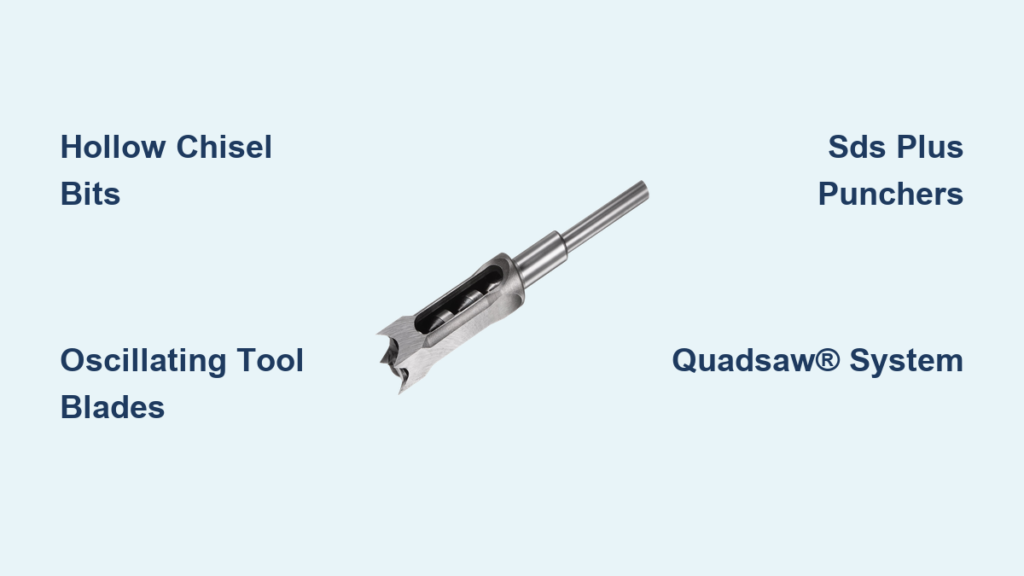
If you’ve ever struggled to cut a clean, precise square hole in wood—whether for a mortise joint, electrical box, or custom cabinetry—you know how frustrating it can be with the wrong tools. Unlike round drill bits, a square hole cutter for wood delivers perfectly angular cuts essential for strong joinery or flush-fitting installations. With options ranging from handheld chisels to high-speed oscillating tools and professional mortising machines, choosing the right method can save time, reduce material waste, and deliver professional-quality results.
This guide breaks down every type of square hole cutter available, compares performance across materials, highlights top-rated products, and helps you pick the best solution based on your project type, skill level, and budget. You’ll learn how to cut square holes in wood cleanly and efficiently—without guesswork.
Choose the Right Square Hole Cutter for Your Project
The best tool depends on your material, volume, and precision needs. Misselecting can lead to ragged edges, broken bits, or wasted labor. Below are the primary types of square hole cutters, each suited to specific tasks.
Hollow Chisel Mortising Bits for Precision Joinery
These are the gold standard for creating square holes in solid wood, especially for mortise and tenon joints. Each bit includes a square chisel surrounding a round auger bit. As the auger drills into the wood, the chisel shears the sides into a clean square.
- Sizes: 1/4″, 5/16″, 3/8″, 1/2″, 5/8″, 3/4″, 9/16″
- Material: 40CR steel or high-carbon steel for wear resistance
- Best for: Cabinetmaking, furniture, fine woodworking
- Requires: Mortising machine, drill press, or dedicated mortiser
Top Products:
- WSOOX 4-Piece Set ($26.99): 4.2/5 stars (1,000+ ratings) – durable and sharp out of the box
- 7-Piece Square Hole Bit Set ($79.29): Full size range; ideal for workshops
- 6PCS Mortise Bit Set ($20.89): Budget-friendly with solid performance
✅ Pro Tip: Always drill in short strokes to clear waste and prevent overheating.
Oscillating Multi-Tool Square Slot Cutters
For cutting square holes in drywall, plywood, or softwood around electrical outlets, oscillating tool attachments offer speed and precision. These stainless steel blades fit Dewalt, Milwaukee, and other major brands.
- One-step cutting: No pilot holes needed
- Cut time: As fast as 30 seconds per box
- Compatibility: 1/4″ hex shank (most oscillating tools)
Top Picks:
- Qbit SQ1000-S ($45.00): 4.4/5 stars – premium build, long-lasting edge
- Square Slot Cutter 2-Pack ($19.99): 4.5/5 stars – excellent value
- Upgrade 2 Pcs Set ($24.99): Hardened steel for tough materials
⚠️ Warning: Avoid using on hardwoods—these blades are optimized for drywall and thin wood.
SDS Plus Square Hole Punchers for Wood & Masonry
Electricians and contractors often use SDS Plus rotary hammers with square hole punchers to install electrical boxes in wood, brick, or concrete.
- Shank: 3/8″ SDS Plus
- Material: Manganese steel with trapezoidal teeth
- Function: Punches full square holes in one action
Best Options:
- 2Pcs SDS Square Hole Cutter ($11.99): Works on 86-type junction boxes
- High-Strength Plus Punch ($9.99): Aggressive cutting but average durability
- Creative Cutter ($4.56): Low cost, but poor reviews (1.0/5) – avoid
✅ Use Case: Ideal when switching between wood studs and masonry walls.
Benchtop Mortising Machines
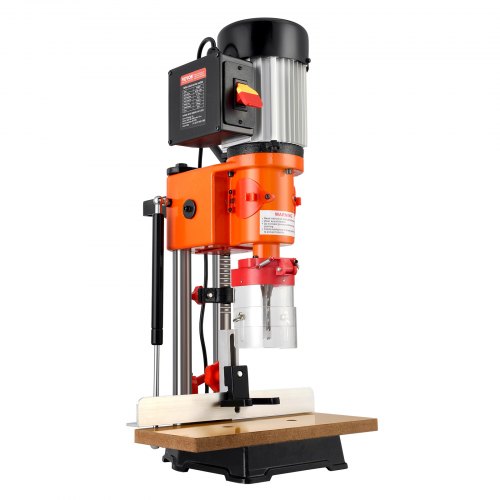
For high-precision, repeatable square holes in hardwoods, dedicated mortising machines are unmatched. These benchtop units deliver consistent depth and alignment.
- Motor: 1/2 HP (1700 RPM typical)
- Features: Adjustable worktable, bushing guides
- Best for: Production shops, furniture builders
Top Models:
- VEVOR Woodworking Mortise Machine ($379.99): Reliable, powerful, easy setup
- KFFKFF Mortising Machine ($359.99): Slight discount over VEVOR; same specs
- Mortising Attachment for Drill Press ($66.90): Budget alternative with 4 bits + 5 bushings
✅ Expert Note: Use with hollow chisel bits for clean mortises up to 3″ deep.
Manual Methods: Chisels & Forstner Bits
When power tools aren’t available, combine a Forstner bit and sharp chisel for accurate square holes.
Step-by-Step:
- Mark the hole with a square and knife
- Drill with Forstner bit slightly smaller than the hole width
- Chisel square edges using mallet and paring technique
- Clean corners with a corner chisel or utility knife
✅ Best for: Stopped (blind) mortises or one-off DIY projects
⚠️ Skill Level: Intermediate to advanced—requires precision
Cut Square Holes Fast with QUADSAW®
For professionals doing high-volume electrical installations, the QUADSAW® system is a game-changer.
Why It Stands Out:
- 4x faster than traditional methods
- Cuts perfect square holes in drywall, wood, and sheetrock
- Handles double-layer drywall up to 1″ thick
- Dust extraction ready – connects to Shop Vac
- Blades last ~280 cuts before replacement
Real-World Feedback:
- “Saves an incredible amount of time.” – Greg S.
- “Holes are clean, retrofit installations are fast.” – Tom J.S.
- “Wish this existed 20 years ago.” – GS
💡 ROI Insight: While not listed with price, contractors report huge labor savings on remodels requiring hundreds of box cutouts.
Compare Tool Performance by Material

Not all square hole cutters work equally across materials. Use this quick reference:
| Tool Type | Wood | Drywall | Plywood | Concrete | Best Use |
|---|---|---|---|---|---|
| Hollow Chisel Bits | ✅ Excellent | ❌ | ✅ Good | ❌ | Mortise joints |
| Oscillating Cutters | ✅ Good | ✅ Excellent | ✅ Good | ❌ | Electrical boxes |
| SDS Plus Punchers | ✅ Moderate | ✅ Moderate | ✅ Moderate | ✅ Excellent | Multi-material jobs |
| Mortising Machines | ✅ Excellent | ❌ | ✅ Excellent | ❌ | Fine woodworking |
| QUADSAW® | ✅ Excellent | ✅ Excellent | ✅ Excellent | ⚠️ Limited | Pro electrical installs |
| Manual Chiseling | ✅ Excellent | ❌ | ✅ Excellent | ❌ | Low-budget, precision work |
🔍 Key Takeaway: Match the tool to your primary material. Don’t use an oscillating blade on oak mortises—or a mortising bit on drywall.
How to Cut a Square Hole in Wood: 3 Proven Methods
Fix Mortise Holes with Hollow Chisel Bits
Time: 2–5 minutes per hole
Difficulty: Moderate
Tools Needed: Mortising machine or drill press, hollow chisel bit
Steps:
- Clamp workpiece securely
- Align bit with layout lines
- Lower bit slowly into wood using 1/8″ increments
- Clear chips after each pass
- Stop at desired depth (use depth stop if available)
✅ Visual Cue: Clean shavings mean proper feed rate. Smoke means go slower.
Cut Electrical Openings with Oscillating Tools
Time: 30–60 seconds
Difficulty: Easy
Tools Needed: Oscillating multi-tool, square slot cutter blade
Steps:
- Mark outlet location with template or box
- Align blade corner with inside edge of cut line
- Start at 45° angle, then straighten as blade enters
- Follow perimeter in one continuous motion
- Pop out cutout by hand or with pliers
✅ Pro Tip: Use a vacuum attachment to minimize dust.
Make Square Holes Without Power Tools
Time: 10–20 minutes
Difficulty: Advanced
Tools Needed: Forstner bit, sharp chisel, mallet, square
Process:
- Drill waste removal holes with Forstner bit near corners
- Score layout lines deeply with utility knife
- Chisel flat-bottomed sides using controlled paring cuts
- Square corners with narrow chisel or knife
✅ Expert Note: Bruce from WWGOA recommends this for stopped mortises where through-cuts aren’t possible.
Avoid Common Square Hole Mistakes
Even experienced users make these errors—learn to prevent them.
Splitting Wood at Hole Edges
Cause: Dull bits, excessive feed pressure, or lack of backer board
Fix:
– Use sharp chisels
– Support exit side with scrap wood
– Drill in shallow passes
Ragged Drywall Cutouts
Cause: Wrong blade, incorrect angle, or wobbling tool
Fix:
– Use stiff oscillating blade (e.g., Qbit or QUADSAW®)
– Start at an angle, then square up
– Keep tool flat against surface
Overheating Mortising Bits
Cause: Continuous drilling without chip clearing
Fix:
– Retract every 1/8″ to clear waste
– Lubricate hardwoods lightly with wax
– Let bit cool periodically
Maintain Your Square Hole Cutters
Longevity depends on care. Follow these steps:
Clean After Every Use
- Wipe off resin, dust, and debris
- Use brush or compressed air for crevices
- For drywall tools, clean dust from shank and blade base
Store Properly
- Keep in dry place to prevent rust
- Use protective caps on chisel tips
- Store blades in labeled case to avoid damage
Sharpen or Replace?
- Hollow chisels: Can be resharpened with flat stone or honing guide
- Oscillating blades / SDS punchers: Replace when dull—do not attempt to grind
- QUADSAW® blades: Replace after ~280 cuts
✅ Pro Tip: Label each blade with usage count to track lifespan.
Pick the Best Tool by Project Type
DIY Woodworking at Home
Recommended: 4-Piece Hollow Chisel Set + Hand Chisel
Why: Affordable, precise, and great for small furniture repairs
Budget Pick: WSOOX 4-Pc Set ($19.99)
Electrical Box Installations
Recommended: Oscillating Slot Cutter or QUADSAW®
Why: Fast, clean, no pre-drilling
Best Value: Qbit SQ1000-S ($45.00) or 2-Pack Stainless Cutter ($19.99)
Professional Cabinet Making
Recommended: VEVOR Mortising Machine + 7-Pc Bit Set
Why: Repeatable accuracy, ideal for production
Investment: ~$450 total
High-Volume Renovations
Recommended: QUADSAW® System with Dust Extractor
Why: 4x faster, minimal cleanup, perfect for hotels or multi-unit builds
ROI: Pays for itself in labor savings
Final Tips for Flawless Square Holes
- Always mark clearly with a sharp pencil or marking knife
- Double-check alignment before cutting
- Use a guide block for consistent depth on multiple pieces
- Test on scrap first—especially with new tools
- Wear safety gear: Eye protection, dust mask, gloves
Final Note: The right square hole cutter for wood transforms a tedious task into a smooth, satisfying process. Whether you’re joining hardwood legs on a table or installing dozens of outlets, there’s a tool designed for your needs. Invest in quality, maintain your gear, and you’ll achieve professional results every time.