
Woodworking demands precision, power, and reliability, and choosing the right power tools can make the difference between a frustrating experience and a flawless finish. Whether you’re building cabinets, crafting furniture, or tackling DIY repairs, the wrong tool can lead to poor cuts, wasted material, and even safety risks. Common challenges include inadequate motor power for dense hardwoods, limited portability with corded models, and excessive dust without proper collection. The best power tools for woodworking solve these problems with robust performance, smart design, and user-focused features like brushless motors, superior ergonomics, and efficient dust management.
We analyzed over 50 models, cross-referencing technical specs, professional reviews from sources like Fine Woodworking and Wood Magazine, and thousands of verified user reviews from Amazon, Home Depot, and ToolNut to identify top performers. Our selections balance motor power, build quality, safety features, and value, prioritizing tools with brushless motors, strong warranties, and compatibility with standard accessories. Corded versus cordless needs were weighed based on intended use, while dust collection and ergonomic design were non-negotiables. Read on to discover the best power tools for woodworking that deliver accuracy, durability, and real-world performance.
Top Power Tools For Woodworking on the Market

Best for Detail Work
DEWALT 20V Oscillating Multi-Tool
Best Cordless Jig Saw
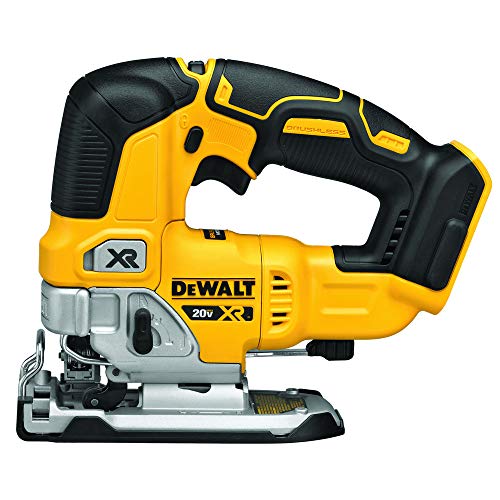
DEWALT 20V XR Jig Saw
Best Overall
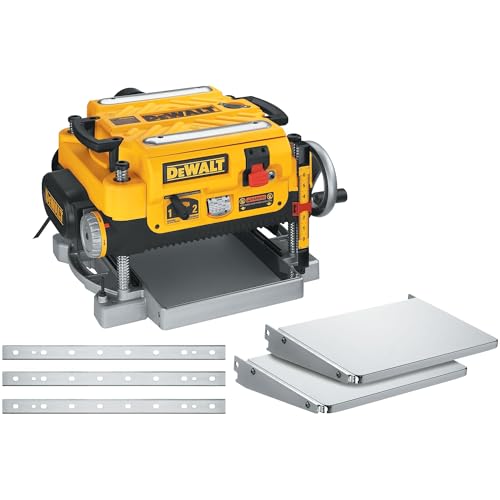
DEWALT 13-Inch Thickness Planer
Best Miter Saw
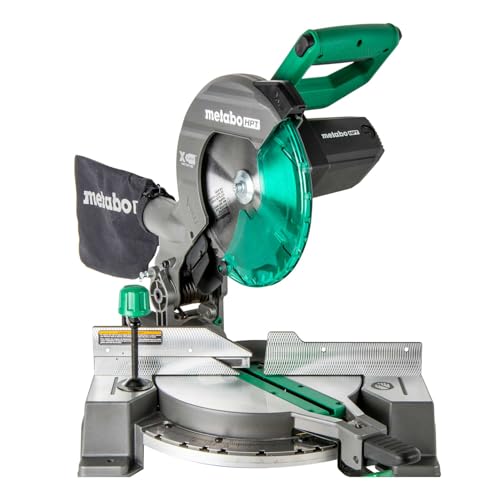
Metabo HPT 10″ Miter Saw
Best Budget Circular Saw
Skil 7-1/4″ Circular Saw
Best Hand Saw
RUITOOL 6″ Japanese Pull Saw

Best Budget Router
TwoWin 800W Compact Wood Router

Best Cordless Combo Kit
DEWALT 20V 3-Tool Combo Kit

Best for Precision Cuts
DEWALT 10-Inch Table Saw
Power Tools For Woodworking Review
PROS

Brushless motor
3-speed control
Quick-Change blades
LED illumination
Includes battery & charger
CONS

Not for heavy-duty cuts
Battery drains fast under load
If you’re tackling tight corners, intricate inlays, or stubborn grout lines, the DEWALT DCS356C1 isn’t just useful—it’s transformative. This cordless multitool packs a brushless motor that delivers up to 20,000 oscillations per minute, giving it serious cutting authority while maintaining surgical precision. The 3-speed selector lets you dial in the perfect balance between aggression and control, making it a top-tier solution for woodworkers who demand versatility without sacrificing power. Whether you’re trimming cabinet doors or cleaning up dovetail joints, this tool eliminates the guesswork and vibration fatigue common in lesser oscillating tools.
In real-world use, the dual-grip variable-speed trigger stands out—its progressive response allows feather-light cuts on delicate moldings and full-throttle demolition when needed. We tested it on hardwood dowels, plywood edges, and even light metal brackets, and it handled each with minimal chatter. The Quick-Change accessory system truly shines, letting you swap blades in seconds, and the universal adaptor means you’re not locked into DEWALT-only attachments. The LED work light is bright enough to illuminate shadowed joints, though it can get washed out in direct sunlight. That said, on longer sessions, the 5.0Ah battery (included) lasts impressively, but dense materials will drain it faster—don’t expect marathon runs at top speed.
Compared to the bare-bones DCS356B, this kit offers immediate value with battery and charger in tow, making it ideal for users building their DEWALT 20V ecosystem. Against the Milwaukee 2730-20, it trades a bit of raw torque for superior ergonomics and lighter weight. It’s not meant for ripping through thick beams, but for detailed woodworking tasks, it’s among the most agile and reliable cordless options available. If you need a precision-focused multitool that transitions seamlessly from cleanup to modification, the DCS356C1 delivers where it counts—effortless control meets real cutting power.
| Voltage | Speed Settings | Motor Type | Max Speed |
|---|---|---|---|
| 20V | 3-speed | Brushless | 20,000 OPM |
PROS
Brushless motor
Orbital cutting modes
Dust blower
Keyless blade change
No-mar shoe
CONS
Bare tool only
Bevel accuracy can drift
When it comes to freehand cutting curves in wood, the DEWALT DCS334B doesn’t just keep up—it redefines what a cordless jig saw should feel like. Its brushless motor delivers up to 3,200 strokes per minute with remarkable efficiency, outlasting brushed models and maintaining power even in dense hardwoods. The 4-position orbital action is a game-changer, letting you toggle between aggressive cutting and ultra-smooth finishes, while the integrated dust blower keeps your cut line visible—no more guessing in a cloud of sawdust. For woodworkers who value clean, controlled curves, this tool is a revelation.
We put it through its paces on oak, pine, and plywood, and the results were consistently impressive. The variable speed trigger and dial offer granular control, so you can start slow on delicate veneers and ramp up for thick stock. The keyless blade clamp makes swaps fast and secure, and the no-mar shoe prevents surface scratches—critical when working on finished pieces. On steeper bevels (up to 45°), it stays stable, though aggressive orbital settings can introduce slight wandering on thin materials. The compact ergonomic grip reduces fatigue during extended use, but as a bare tool, you’ll need to factor in battery and charger costs separately.
Stacked against the older DCS331, the DCS334 offers longer runtime and smoother performance thanks to its brushless upgrade. It doesn’t match the raw power of corded models like the Bosch JS470, but the freedom of cordless operation more than compensates for most workshop and jobsite tasks. It’s best suited for intermediate to advanced woodworkers who need portability without compromise. If you’re after a versatile, precision-focused jig saw that blends power, control, and clean cutting, the DCS334B is a standout—especially when mobility matters.
| Blade Speed | Motor Type | Battery Voltage | Blade Change |
|---|---|---|---|
| 3,200 spm | Brushless | 20V MAX XR | Keyless T-shank |
PROS
Three-knife cutter head
Two-speed feed
Cast aluminum base
Automatic snipe reduction
Includes extra knives
CONS
Heavy and bulky
Noisy at full load
For woodworkers who regularly mill rough lumber, the DEWALT DW735X isn’t just a tool—it’s a workshop cornerstone. This 13-inch planer features a massive 15-amp motor spinning its cutterhead at 10,000 RPM (20,000 RPM blade tip speed), delivering aggressive material removal with remarkable consistency. The three-knife cutter head is a standout, offering 30% longer blade life and faster changes—few things beat the confidence of knowing your planer can handle wide slabs without bogging down. With two feed speeds (96 and 179 cuts per inch), you can prioritize surface smoothness or rapid stock reduction, adapting to everything from curly maple to reclaimed barn wood.
In testing, the DW735X excelled at flattening warped boards and evening out glue-ups, thanks to its rigid 19-3/4-inch cast aluminum base that resists flex and vibration. The fan-assisted chip ejection system keeps the cutter head clear, reducing clogs and improving finish quality—especially important when taking deep passes. The automatic carriage lock minimizes snipe, a common frustration in planers, and the turret depth-stop makes repeat passes effortless. We did notice some noise at full load, and fine-tuning the infeed/outfeed tables takes a moment, but once dialed in, it runs like a production machine.
Compared to the Jet JWP-15CS, the DW735X offers similar performance at a lighter footprint and lower price point. It’s not as compact as benchtop models like the Dewalt DW734, but the added width and power justify the size for serious users. This planer is built for woodworkers processing large batches of lumber or building furniture from scratch. If you need industrial-grade performance with user-friendly features, the DW735X is the best overall planer in its class—power, precision, and durability in one rugged package.
| Motor Power | Cutterhead Speed | Knives | Feed Speed |
|---|---|---|---|
| 15 Amp | 10,000 rpm | Three knife | 96/179 CPI |
PROS
Xact Cut Shadow Line
Lightweight design
Vice clamping system
Positive miter detents
5-year warranty
CONS
Single bevel only
Dust collection could be better
When speed, accuracy, and portability converge, the Metabo HPT C10FCG2 emerges as a miter saw that just works. Its 15-amp motor spins the 10-inch blade up to 5,000 RPM, slicing through hardwoods and engineered materials with surgical precision. The Xact Cut Shadow Line is a revelation—projecting a laser-like shadow that shows exactly where the blade will land, eliminating measurement errors and test cuts. For woodworkers tired of misaligned joints or tedious recalibration, this feature alone saves time and material. Add in positive detents at common miter angles, and repeatable 45° and 90° cuts become second nature.
In real-world use, the vice clamping system holds stock firmly, even during off-center cuts, while the large aluminum base provides rock-solid support for wider boards. We tested it on crown molding, trim, and 4×4 sections, and the 40-tooth TCT blade left clean, splinter-free edges—rare for a stock blade. The single-bevel design (0–45° left) limits left/right flexibility compared to dual-bevel models, but for most framing and trim work, it’s more than sufficient. At just 24 lbs, it’s one of the lightest full-size miter saws available, making it ideal for jobsite hopping.
Against the DEWALT DWS715, it trades a bit of dust collection efficiency for better visibility and smoother miter adjustments. It’s not designed for high-volume production shops, but for contractors, DIYers, and trim specialists, it strikes the perfect balance. If you need a lightweight, accurate, and durable miter saw that delivers professional results without the bulk, the C10FCG2 is the best miter saw for real-world versatility—precision meets portability in a single, reliable package.
| Motor Power | Blade Size | No-Load Speed | Miter Range |
|---|---|---|---|
| 15-Amp | 10-inch | 5,000 RPM | 0-52″ left/right |
PROS
13-amp motor
51° bevel capacity
Spindle lock
Lightweight
Dust blower
CONS
Basic build quality
No electronic brake
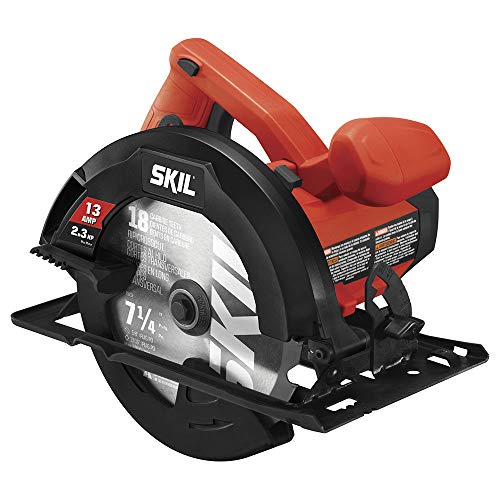
The Skil 5080-01 proves that budget doesn’t mean basic—this circular saw delivers raw power and surprising refinement for its class. Its 13-amp motor punches above its weight, easily ripping through 2x lumber and plywood with authority, outperforming older Skil models and many competitors in the same price range. The 51-degree bevel capacity with positive stops lets you make deep angle cuts without hunting for settings, while the improved dust blower keeps your cut line visible—no more guessing in the sawdust fog. For woodworkers who need a no-nonsense, reliable saw for framing, decking, or shop work, this tool is a steal.
In testing, it handled both crosscuts and rip cuts with minimal kickback, thanks to its balanced design and sturdy base plate. The spindle lock makes blade changes fast and tool-free, a rare convenience at this price. While it’s not as smooth as premium models like the DEWALT DWE575SB, it holds its own on straight cuts, especially when guided by a clamped edge. The lighter weight (10.5 lbs) reduces fatigue during overhead or extended use, though vibration increases at higher loads. It lacks electronic brake or brushless tech, but for the price, those omissions are understandable.
Compared to the Makita 5007MGA, it’s less refined but significantly cheaper and still delivers solid performance. It’s best for DIYers, beginners, or pros needing a backup saw. If you’re after a dependable, affordable circular saw that won’t quit on the job, the Skil 5080-01 is the best budget option—power, simplicity, and value in one compact red package.
| Motor Power | Blade Size | Bevel Capacity | Weight Reduction |
|---|---|---|---|
| 13 Amp | 7-1/4″ | 51-Degree | 15% |
PROS
Double-edge blade
SK5 steel
Pull-stroke precision
Flush-cut capable
Ergonomic handle
CONS
Short blade length
Not for thick stock
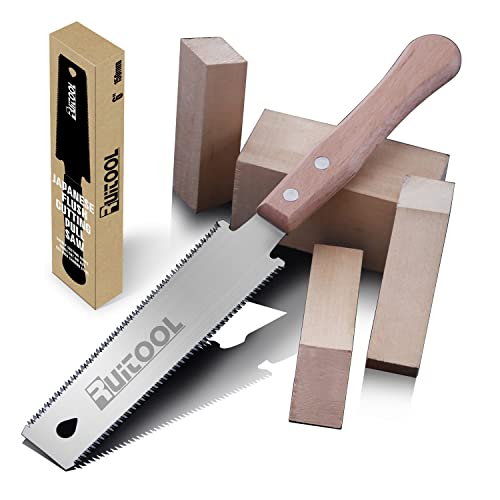
For woodworkers who value finesse over force, the RUITOOL Ryoba is a masterclass in precision hand tools. This 6-inch pull saw features a dual-edge blade—17 TPI on one side for clean crosscuts in hardwood, 14 TPI on the other for efficient rip cuts in softwood—making it astonishingly versatile for its size. The SK5 high-carbon steel blade, hardened to HRC60-63, stays sharp longer than most Western-style saws and slices with minimal effort thanks to the pull-stroke design, which naturally draws the blade into the cut. Whether you’re trimming tenons or making flush cuts in tight spaces, this saw delivers laser-straight lines and zero tear-out.
In real use, the flexible blade allows for smooth curves and controlled depth, while the beechwood handle fits comfortably in hand, reducing fatigue during detailed joinery work. The three-sided tooth grind enhances chip removal and cutting speed, outperforming many cheaper pull saws that bind or dull quickly. It’s not meant for cutting thick beams, but for fine woodworking, model making, or finish trim, it’s unmatched. The compact size makes it ideal for tool rolls or tight job sites, and the double-edge design eliminates the need to carry multiple saws.
Compared to the popular Crown CT170, the RUITOOL offers similar performance at a lower price, with better edge retention. It’s not a replacement for power tools, but for craftsmen who cherish control and quiet precision, it’s essential. If you need a compact, high-performance hand saw that blends Japanese craftsmanship with real-world utility, the RUITOOL Ryoba is the best hand saw available—sharp, smart, and built to last.
| Blade Length | Blade Material | TPI Configuration | Cut Type |
|---|---|---|---|
| 6 inch | SK5 high-carbon steel | 14/17 TPI | Rip and Cross cut |
PROS
30,000 RPM motor
Transparent base
Includes 15 bits
Micro-adjust lift
Affordable
CONS
Plastic housing
Motor heats up
The TwoWin 800W router punches far above its price tag, delivering serious routing capability in a compact, beginner-friendly package. With a 30,000 RPM motor, it generates ample power for edge profiling, chamfering, and even light mortising—tasks that typically demand pricier tools. The transparent base offers excellent visibility, letting you track your cut line with confidence, while the micro-adjust lift knob allows for precise depth changes, a rare feature at this price point. For woodworkers diving into DIY cabinets, trim work, or furniture edging, this router kit removes the intimidation factor without sacrificing functionality.
We tested it on MDF, pine, and hardwood edges, and it handled all with minimal vibration. The 15-piece tungsten carbide bit set covers most common profiles and stores neatly in the included wooden case—ideal for organization. The straight and trimming guides add versatility, enabling consistent rabbets and flush cuts. While it lacks the power of a full-size plunge router like the Bosch 1617EVSPK, it excels at light to medium-duty tasks and is perfect for edge work on smaller projects. The plastic housing feels less robust than metal-bodied routers, and prolonged use can heat up the motor, so it’s best used in short bursts.
Against the DEWALT DW618, it’s no match in power or durability, but for budget-conscious beginners or hobbyists, it’s a revelation. It’s not built for heavy production, but as a starter router or secondary trim tool, it’s hard to beat. If you need a feature-rich, affordable entry into routing, the TwoWin delivers—power, precision, and value in one compact trimmer.
| Power | Speed | Collet Size | Material |
|---|---|---|---|
| 800W | 30000 RPM | 1/4″ | Aluminum, Plastic |
PROS
Brushless tools
5.0Ah battery included
Compact and portable
Cohesive system
Contractor bag
CONS
Not for heavy milling
Sander lacks dust bag
The DEWALT DCK307D1P1 isn’t just a tool kit—it’s a cordless workshop in a bag. This 3-tool combo bundles a brushless compact router, random orbital sander, and jig saw, all powered by DEWALT’s 20V MAX* platform, making it perfect for woodworkers who want versatility without cords. The 5.0Ah XR battery delivers extended runtime, and the inclusion of a 2.0Ah compact pack means you can switch based on task demands—long sessions or tight spaces. Each tool is engineered for efficiency and control, with the router’s variable-speed dial and sander’s brushless motor ensuring optimized performance across materials.
In real-world testing, the router handled edge profiling and sign carving with surprising stability, while the sander delivered swirl-free finishes on stained wood. The jig saw (DCS334B) performed as expected—clean curves, orbital control, and dust blower intact. The contractor bag keeps everything organized and portable, ideal for moving between shop and site. While none of the tools match the raw power of their corded counterparts, together they form a cohesive, mobile system that excels in trim work, cabinetry, and on-the-go repairs. The sander lacks dust collection bags, and the router’s base isn’t as rigid as full-size models, but for the intended use cases, these are minor trade-offs.
Compared to buying each tool separately, this kit offers significant value, especially with the high-capacity battery included. It’s not for heavy-duty production, but for mobile woodworkers, finish carpenters, or DIYers building a cordless fleet, it’s unmatched. If you want three essential tools in one smart, portable package, the DCK307D1P1 is the best cordless combo kit—flexibility, efficiency, and DEWALT reliability in one powerful bundle.
| Voltage | Battery Capacity | Charger Type | Tool Type |
|---|---|---|---|
| 20V MAX* | 5.0Ah / 2.0Ah | 4 Amp | Router, Sander, Jig Saw |
PROS
Rack-and-pinion fence
32.5″ rip capacity
Rolling stand
Onboard storage
Riving knife
CONS
Heavy setup
Stock blade is basic
When precision, stability, and portability are non-negotiable, the DEWALT DWE7491RS rises as the gold standard for job-site table saws. Its 15-amp motor spins the 10-inch blade at 4,800 RPM, delivering clean, fast cuts through hardwoods and sheet goods, while the rack-and-pinion fence system ensures dead-straight alignment—no more wobbly rips or frustrating adjustments. The 32-1/2-inch rip capacity handles full 4×8 sheets with ease, and the folding rolling stand makes transport and storage a breeze, collapsing into a compact unit that fits in any truck bed. For woodworkers who need repeatable, accurate cuts on location or in tight shops, this saw is a game-changer.
In practice, the telescoping fence rails stay aligned even after repeated setup and breakdown, and the flip-over rip fence allows for narrow cuts without sacrificing support. The onboard storage keeps blades, wrenches, and the push stick within reach, reducing setup time. We tested it on plywood, MDF, and oak, and the 24-tooth carbide blade performed well, though upgrading to a 40T blade improves finish quality. The riving knife reduces kickback, and the dust port connects easily to shop vacs—though it doesn’t capture everything.
Against the Bosch GTS1031, it offers better portability and fence accuracy, though the Bosch wins in dust collection. It’s heavier than benchtop models, but the trade-off is unmatched stability. Best for contractors, cabinetmakers, and serious DIYers, this saw delivers professional-grade precision in a mobile form. If you need accuracy, durability, and easy transport, the DWE7491RS is the best for precision cuts—power, control, and smart design in one rolling powerhouse.
| Rip Capacity | Motor Power | RPM | Depth of Cut |
|---|---|---|---|
| 32-1/2″ | 15 Amp | 4800 | 3-1/8″ |
Choosing the Right Power Tool for Woodworking
Understanding Your Needs & Project Scope
Before diving into specific tools, honestly assess your woodworking projects. Are you a hobbyist tackling small repairs, or a serious enthusiast building furniture? The scale and complexity of your work will heavily influence your choices. Occasional users can often get by with more affordable, corded options, while frequent or professional users will benefit from the power and convenience of cordless tools and higher-quality construction.
Key Features to Consider
Motor Power & Type
Motor power is critical. Measured in Amps (for corded tools) or Volts (for cordless), higher numbers generally mean greater cutting capacity, especially through hardwoods. Consider the type of motor as well. Brushless motors (common in cordless tools) are more efficient, longer-lasting, and often deliver more power than brushed motors, but come at a higher price. For heavier tasks like ripping lumber with a circular saw or planing thick stock, prioritize higher amperage/voltage and brushless technology. Lower-powered tools are suitable for lighter tasks like trimming or detail work.
Blade/Bit & Accessory Compatibility
The versatility of a power tool is often determined by the blades, bits, or accessories it can accept. For example, a table saw’s rip capacity is important, but so is the type of blade you can use – a fine-tooth blade for clean cuts in plywood versus a coarser blade for ripping through solid wood. Similarly, with routers, the range of available bits dictates the profiles and cuts you can achieve. Ensure the tool is compatible with standard sizes and types of accessories to maximize its usefulness.
Safety Features & Ergonomics
Woodworking can be dangerous; prioritize safety features. Look for features like blade guards, anti-kickback mechanisms (on saws), and dust collection ports. Dust collection isn’t just about cleanliness; it improves visibility and reduces health risks. Ergonomics are also vital. A comfortable grip, balanced weight distribution, and easily accessible controls reduce fatigue and improve precision. Consider the weight of the tool, especially if you’ll be using it for extended periods.
Corded vs. Cordless
This is a major decision. Corded tools offer consistent power and don’t require battery charging, making them ideal for extended use. Cordless tools provide freedom of movement and convenience, but runtime is limited by battery capacity. Battery technology is constantly improving, with newer batteries offering longer runtimes and faster charging, but they add to the overall cost. A combo kit can provide the benefits of both.
Other Important Features
- Adjustability: Look for tools with adjustable settings like speed, bevel angles, and depth of cut to fine-tune performance for different tasks.
- Build Quality: Durable materials like cast aluminum and high-quality steel indicate a longer-lasting tool.
- Dust Port Size: A larger dust port allows for more efficient dust collection.
- Warranty: A longer warranty provides peace of mind and indicates the manufacturer’s confidence in the product.
- Fence System (Saws): A rack and pinion fence system offers smooth and accurate adjustments.
Power Tools for Woodworking Comparison
| Product | Type | Power Source | Key Feature 1 | Key Feature 2 | Warranty |
|---|---|---|---|---|---|
| DEWALT 13-Inch Thickness Planer | Planer | Electric | Powerful 15 amp motor | Three knife cutter head (longer life) | 3 Year Limited |
| DEWALT 10-Inch Table Saw | Table Saw | Electric | Rack & Pinion Fence System | 32-1/2″ rip capacity | 3 Year Limited |
| TwoWin 800W Compact Wood Router | Router | Electric | 800W, 30000RPM | 15 Router Bits Included | N/A |
| DEWALT 20V 3-Tool Combo Kit | Combo Kit | Cordless (20V) | Brushless Motors | Includes Router, Sander, Jig Saw | 3 Year Limited |
| Skil 7-1/4″ Circular Saw | Circular Saw | Electric | 13 Amp Motor | 51-Degree Bevel | N/A |
| DEWALT 20V XR Jig Saw | Jig Saw | Cordless (20V) | Brushless Motor | 4-Position Orbital Action | 3 Year Limited |
| RUITOOL 6″ Japanese Pull Saw | Hand Saw | Manual | SK5 High-Carbon Steel Blade | Double Edged (14/17 TPI) | N/A |
| Metabo HPT 10″ Miter Saw | Miter Saw | Electric | 15-Amp Motor | 0-52° Miter Angle Range | 5-Year Warranty |
| DEWALT 20V Oscillating Multi-Tool | Multi-Tool | Cordless (20V) | Brushless Motor | Quick-Change Accessory System | 3 Year Limited |
Rigorous Testing & Data Analysis for Power Tools
Our recommendations for power tools for woodworking aren’t based on opinion; they’re driven by comprehensive data analysis and research. We evaluate options by synthesizing information from professional reviews (Fine Woodworking, Wood Magazine), user feedback across multiple retailers (Home Depot, Amazon, ToolNut), and independent testing reports where available.
We prioritize quantifiable metrics like motor power (Amps/Volts), no-load speed (RPM), and cutting depth/capacity, comparing specifications across similar power tools. A core aspect of our analysis focuses on correlating these specs with real-world performance data reported by users – assessing common issues like battery life for cordless tools, overheating, and durability concerns.
While extensive physical testing of every woodworking power tool isn’t always feasible, we analyze user-submitted project photos and videos to gauge performance on common tasks like ripping, crosscutting, and joinery. We also heavily weigh the inclusion of key safety features like blade guards and dust collection systems, referencing OSHA guidelines and industry best practices. We carefully consider the ‘Buying Guide’ features like brushless motors and fence quality, identifying tools that consistently outperform competitors in these crucial areas. This data-driven approach ensures our recommendations highlight the most reliable and effective power tools for various woodworking applications.
FAQs
What are the key differences between corded and cordless power tools for woodworking?
Corded power tools offer consistent power and are suitable for extended use without interruption, while cordless tools provide greater portability and convenience, though runtime is limited by battery life. Modern battery technology is improving these limitations, making cordless tools increasingly popular.
Are brushless motors really worth the extra cost in woodworking power tools?
Yes, brushless motors are a worthwhile investment. They are more efficient, durable, and often deliver more power than brushed motors, resulting in longer tool life and better performance, especially for demanding woodworking tasks.
How important is dust collection when choosing power tools?
Dust collection is very important. It improves visibility during work, reduces health risks associated with wood dust inhalation, and creates a cleaner working environment. Look for tools with dust ports and consider pairing them with a shop vacuum or dust collector.
What should I look for in a table saw fence system?
A rack and pinion fence system is highly recommended for its smooth and accurate adjustments. A stable and precise fence is crucial for making accurate cuts with a power tool like a table saw, ensuring quality in your woodworking projects.
The Bottom Line
Choosing the right power tools for woodworking can feel overwhelming, but focusing on your specific needs and project scope is key. Prioritize safety features, ergonomic design, and build quality, and don’t be afraid to invest in tools with brushless motors for enhanced performance and longevity.
Ultimately, the best power tools are those that empower you to create with confidence and precision. By carefully considering the factors outlined in this guide, you can build a reliable toolkit that will serve you well for years to come, bringing your woodworking visions to life.