If you’re setting up your first workshop or expanding your current setup, knowing the woodworking power tools that deliver the most value is crucial. These tools form the backbone of any serious woodworking operation—whether you’re building cabinets, crafting furniture, or tackling weekend DIY projects. From precise cutting and shaping to flawless finishing, each machine enhances accuracy, efficiency, and safety in your workflow.
This guide provides a comprehensive, well-organized list of essential woodworking power tools, explaining what they do, why they matter, and how they fit into different stages of a project. You’ll learn which tools are must-haves for beginners, which ones elevate advanced work, and how to choose models that match your space, budget, and skill level. No fluff—just clear, actionable insights drawn from real-world use and expert recommendations.
Let’s dive into the core tools every woodworker should know.
Table Saw: The Heart of the Workshop

The table saw is the most indispensable woodworking power tool, serving as the central hub for accurate, repeatable cuts in both dimensional lumber and sheet goods.
Why It’s Non-Negotiable
This machine excels at ripping boards to width, crosscutting panels, and cutting joinery like dados and rabbets. Its precision and consistency make it ideal for projects requiring exact measurements—think cabinetry, shelving, or large tabletops. With the right jigs, such as a crosscut sled or tapering guide, its capabilities expand dramatically.
Choose Your Model Wisely
- Benchtop models: Lightweight and portable, perfect for small shops or on-site work.
- Cabinet saws: Heavy-duty, floor-standing units with powerful motors and superior dust collection—ideal for full-time use.
- Hybrid saws: Offer a balance between portability and performance at a mid-range price.
- Contractor saws: Feature an open stand and good mobility, suitable for semi-professional users.
Key Features to Prioritize
- Adjustable blade height and tilt (up to 45°)
- High-quality rip fence system for straight, repeatable cuts
- Miter gauge compatibility or table integration
- Integrated dust extraction port
- Safety features like riving knives or blade brakes (e.g., SawStop)
Pro Tip: Always use a riving knife or splitter to prevent dangerous kickback during ripping operations.
Miter Saw: Precision for Angled Cuts
A miter saw is your go-to tool for making accurate crosscuts, bevels, and compound angles—especially critical for trim work, molding, and frame assembly.
Cut Like a Pro
Use it to create clean, repeatable joints for picture frames, crown molding, and door casings. The miter saw allows you to lock in exact angles and replicate them across multiple pieces, ensuring professional results every time.
Types Based on Functionality
| Type | Key Capability |
|---|---|
| Standard miter saw | Rotates left and right for miter cuts only |
| Compound miter saw | Tilts blade for bevel cuts |
| Sliding compound miter saw | Adds rails to cut wider boards (e.g., 12″ wide) |
Blade sizes typically range from 8″ to 12″, with larger blades offering greater cutting capacity.
Best Practices for Accuracy
- Clamp your workpiece to eliminate movement.
- Keep the blade guard clean and functional.
- Match blade tooth count to the task: higher TPI (teeth per inch) for smoother finish cuts.
Warning: Never free-hand a cut—always secure the material against the fence.
Router: The Ultimate Shaping Tool

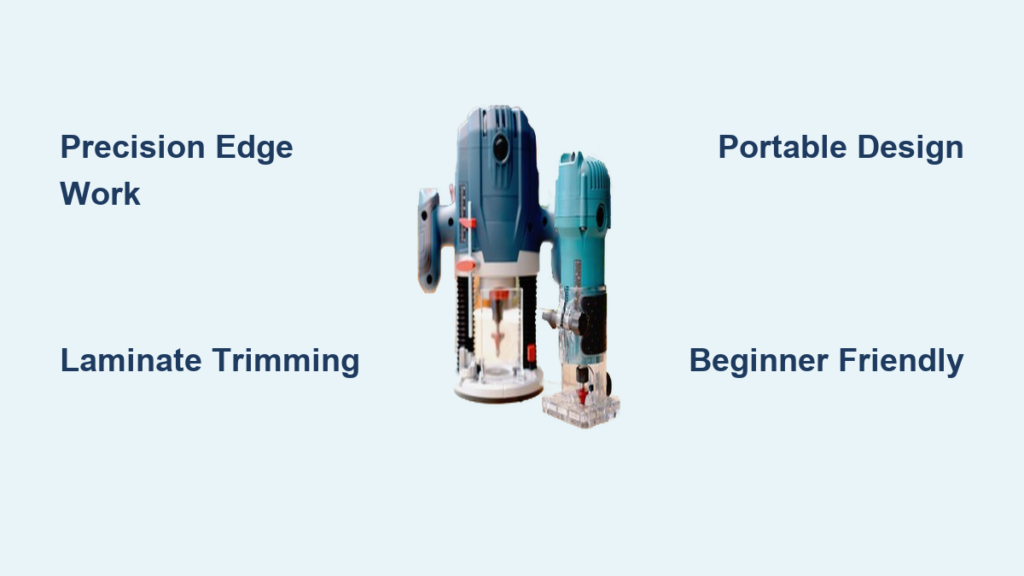
The router is one of the most versatile woodworking power tools, capable of edge profiling, joinery, and decorative detailing.
What Can You Do With a Router?
- Shape edges (roundover, chamfer, ogee)
- Cut rabbets, dados, and mortises
- Create raised-panel doors
- Make inlays and custom moldings
- Work with pocket-hole jigs (like Kreg)
Fixed vs. Plunge Base: Which Do You Need?
- Fixed-base routers: Best for consistent edge work where depth remains constant.
- Plunge routers: Ideal for starting cuts in the middle of a board—perfect for mortises or inlays.
- Trim routers: Compact and lightweight, great for trimming laminate or light edging.
Must-Have Features
- Variable speed control (larger bits require slower RPMs)
- ¼” or ½” collet (½” offers better stability)
- Soft-start motor to reduce startup jolt
Safety & Tips
- Use sharp bits to minimize kickback.
- Move the router counterclockwise when routing edges.
- Always wear hearing and eye protection—routers are loud and throw debris.
Jointer: Flatten and Square Your Stock
A jointer prepares rough lumber by creating a flat face and a square edge—essential for strong, seamless glue-ups.
Why It Matters
Without a flat reference surface, your planer and table saw can’t perform accurately. The jointer ensures boards lie flush and edges meet perfectly—vital for cabinetry, tabletops, and frame construction.
How It Works
Wood passes over a rotating cutter head between infeed and outfeed tables. The adjustable fence helps square the edge to the face, while sharp knives remove thin shavings with each pass.
Size Considerations
- 6-inch jointers: Ideal for hobbyists; handle most common stock.
- 8-inch and 12-inch models: Better for wide boards but take up more floor space.
Expert Note: Always joint one face flat before running wood through a thickness planer.
Thickness Planer: Achieve Uniform Thickness
After jointing, the thickness planer makes the opposite face parallel and reduces the board to a precise, consistent thickness.
Key Benefits
- Mill rough lumber to exact dimensions
- Create matched sets for panels or tabletops
- Reduce reliance on expensive pre-surfaced wood
Types and Specs
- Benchtop planers: Affordable and compact—great for beginners.
- Floor-standing planers: Higher capacity and durability for frequent use.
Standard widths range from 13″ to 20″. Most models remove 1/32″ to 1/8″ per pass.
Usage Tips
- Feed wood with the grain to avoid tear-out.
- Use the jointed face as the reference side.
- Clean and replace dull knives regularly for clean cuts.
Band Saw: For Curves and Resawing
The band saw is unmatched for cutting curves, resawing thick stock, and handling irregular shapes.
Creative Freedom in Wood
Use it to:
– Cut intricate scrollwork
– Resaw 8/4 hardwood into veneers or thinner boards
– Make bevels and tapers
– Cut non-wood materials (with proper blade)
Types and Sizes
- Benchtop band saws: Fit small shops; limited resaw height.
- Floor-standing models: Greater stability and taller capacity—ideal for resawing.
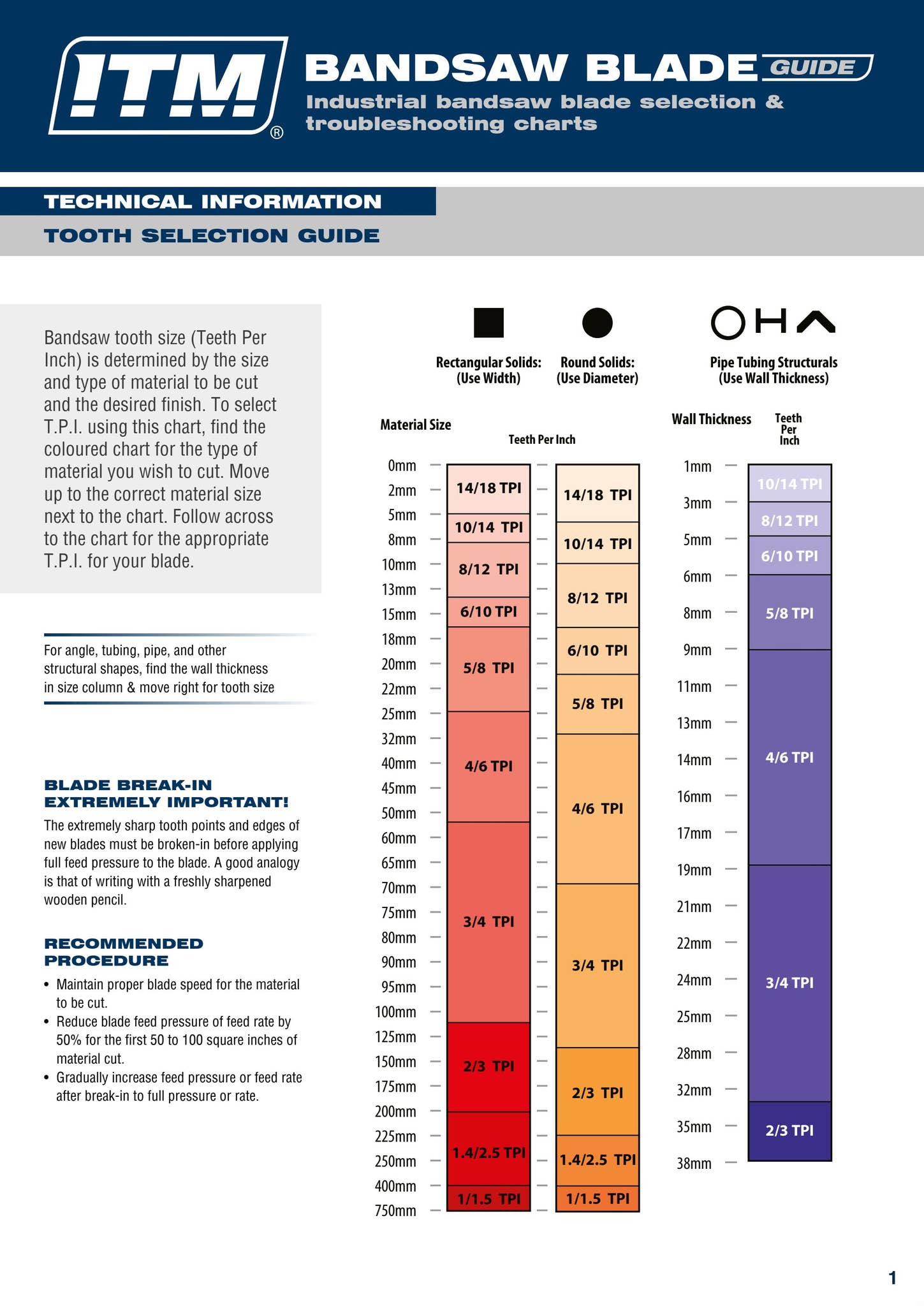
Blade width affects performance:
– Narrow blades = tight curves
– Wide blades = straighter, smoother resaw cuts
Blade Selection Tips
- Use skip-tooth or hook-tooth blades for resawing
- Fine teeth for crosscutting or finishing
- Set proper blade tension and tracking before use
Pro Move: Install a resaw fence for consistent thickness when slicing thick stock.
Random Orbital Sander: For Swirl-Free Finishes
When you need a professional, scratch-free surface before staining or finishing, the random orbital sander is your best friend.
Achieve Glass-Like Surfaces
Unlike traditional orbital sanders, random orbitals move in elliptical patterns that eliminate directional marks—perfect for final prep.
Features That Matter
- Hook-and-loop (Velcro) pad for quick disc changes
- Variable speed settings
- Dust extraction port (connect to shop vac)
- Ergonomic grip for comfort
Grit Guide by Task
| Grit Range | Use Case |
|---|---|
| 80–120 | Material removal, leveling |
| 150–180 | Intermediate smoothing |
| 220+ | Final prep before finish |
Tip: Sand with the grain, even with random orbitals, to minimize visible scratches.
Cordless Drill/Driver: The Everyday Essential
No shop is complete without a reliable cordless drill/driver—a fundamental tool for drilling holes and driving screws.
Core Functions
- Drill pilot and clearance holes
- Drive screws into softwood, hardwood, and composites
- Access tight or overhead spaces
Key Specs to Know
- Voltage: 12V (light duty), 18V–20V (most common), 36V (heavy duty)
- Chuck type: Keyless (easy changes), keyed (more secure)
- Torque settings: Prevent overdriving screws
- Battery platform: Stick to one brand (e.g., DeWalt 20V, Milwaukee M18) for compatibility
Essential Accessories
- Twist bits (general drilling)
- Spade bits (large holes)
- Forstner bits (flat-bottomed holes)
- Hole saws (cutting large diameters)
- Screwdriver bits (Phillips, square, Torx)
Safety First: Always wear eye protection and remove the battery when changing bits.
Impact Driver: High-Torque Fastening
An impact driver delivers rotational force plus concussive blows—perfect for driving long screws into dense wood.
When to Use It
- Deck building
- Cabinet assembly
- Structural framing
- Removing stubborn fasteners
How It Differs from a Drill
| Feature | Impact Driver | Cordless Drill |
|---|---|---|
| Torque | High (1,000+ in-lbs) | Moderate |
| Bit Type | ¼” hex shank | Round shank |
| Size | Compact and lightweight | Bulkier |
| Best For | Driving screws | Drilling holes |
Warning: Don’t use impact drivers for precision drilling—they can damage delicate materials.
Biscuit Joiner: For Seamless Panel Alignment
The biscuit joiner cuts slots to insert oval-shaped wood biscuits that expand when glued, aligning and strengthening joints.
Ideal Applications
- Edge-gluing tabletops
- Assembling cabinet carcasses
- Joining wide panels without warping
Biscuit Sizes Explained
| Size | Dimensions | Use Case |
|---|---|---|
| #0 | Small | Light-duty joints |
| #10 | Medium | General use |
| #20 | Large | Heavy joints, thick stock |
Setup Tips
- Adjust depth based on biscuit size.
- Use fence for consistent alignment.
- Clamp joints tightly after gluing.
Pro Insight: Biscuits don’t add major strength—they’re primarily for alignment.
Portable Circular Saw: On-the-Go Cutting Power
A portable circular saw is essential for breaking down sheet goods and making long, straight cuts—especially on job sites.
Why It’s Indispensable
- Highly portable
- Cuts through plywood, MDF, and dimensional lumber
- Performs bevel cuts (up to 45°–50°)
- Can plunge into material for openings
Blade Choices
- Combination blades: Handle both rip and crosscuts
- Fine-tooth blades: Cleaner cuts for finish work
- Carbide-tipped: Longer life and heat resistance
Cutting Accuracy Hacks
- Use a straightedge guide or track system for perfect lines.
- Set depth so blade extends about 1/4″ below the material.
- Cut with the good side down when using a standard blade (tear-out occurs on exit side).
Final Note
The right woodworking power tools transform raw lumber into masterpieces. Start with the essentials—circular saw, drill, miter saw, sander, and router—then gradually add stationary tools like the table saw, jointer, and planer as your skills grow. Prioritize safety, maintain your tools regularly, and invest in quality where it counts. With this complete list as your guide, you’re fully equipped to build a functional, efficient workshop that supports your craftsmanship for years to come.