
Your lawn’s finishing touches make all the difference between a professionally maintained yard and one that looks perpetually unfinished. When your mower can’t reach fence lines, garden beds, or tight corners, that’s where the right weed wacker becomes essential. Understanding the distinct types of weed wackers available—battery-powered, gas, and corded electric—ensures you select equipment perfectly matched to your property size, vegetation type, and usage patterns. With manufacturers like Husqvarna and Weed Eater offering specialized models across all three configurations, selecting the appropriate type prevents wasted money on underpowered equipment or overpaying for unnecessary commercial-grade features.
The critical distinction between weed wacker types revolves around power source, which directly impacts runtime, maintenance requirements, noise levels, and overall usability. Battery-powered models dominate residential purchases with their zero emissions and quiet operation, while gas-powered units remain the go-to for professional landscapers needing unlimited runtime. Corded electric trimmers fill a niche for smaller properties where extension cords reach all areas. This guide cuts through the marketing hype to show exactly how each type performs in real-world conditions, helping you identify which weed wacker type will deliver years of reliable service for your specific lawn care needs.
40V Battery String Trimmers: The Residential Powerhouse You Need
Battery-powered weed wackers have surged in popularity because they eliminate the hassles of gas mixing and extension cords while delivering sufficient power for most homeowner tasks. The 40V platform has emerged as the sweet spot for residential users, offering enough cutting power to handle thick grass without the excessive weight of higher-voltage commercial systems. When comparing types of weed wackers, battery models provide the cleanest operation with zero direct emissions—making them ideal for neighborhoods with air quality concerns or noise restrictions.
Why 40V Outperforms Lower Voltage Alternatives
The 40V battery specification isn’t arbitrary—it represents the optimal balance between cutting performance and manageable weight for typical homeowners. Lower voltage systems (20V-30V) often struggle with dense vegetation and have shorter runtimes, while 60V+ systems add significant weight that causes fatigue during extended sessions. The Weed Eater® 320iL series demonstrates this balance perfectly with its 16-inch cutting width and 4.1-star rating from 152 users who praise its ability to handle suburban lawn edges without overwhelming beginners.
For properties under half an acre, a single 40V battery typically provides 30-45 minutes of runtime—enough to complete most trimming tasks in one session. Top models like the Husqvarna 220iL (4.4 stars) maintain consistent power throughout the battery cycle, unlike lower-quality units that lose cutting effectiveness as the charge depletes. When shopping for battery-powered types of weed wackers, verify the actual runtime under load rather than manufacturer estimates, as real-world performance varies significantly between brands.
How Cutting Width Affects Your Trimming Efficiency
Battery trimmers offer cutting widths from 11.8 to 18 inches, dramatically impacting how quickly you complete tasks. The Husqvarna 110iL FLXi’s narrow 11.8-inch width excels around garden beds and fence lines where precision matters more than speed. Conversely, the Husqvarna 330iKL’s 18-inch cutting width covers nearly 50% more ground per pass—ideal for larger lawns where efficiency trumps maneuverability.
Most homeowners find the 16-17 inch range (like the Weed Eater 320iL’s 16-inch width) provides the best versatility for typical suburban yards. This width handles open areas efficiently while still navigating around obstacles without constant repositioning. If your property has numerous landscape features, prioritize maneuverability with a narrower width; for open lawns with few obstacles, maximize productivity with a wider cut.
Gas-Powered Weed Wackers: When Maximum Runtime Outweighs Noise Concerns

Gas-powered string trimmers remain the workhorses of professional landscaping crews despite growing environmental concerns. Their primary advantage over other types of weed wackers is unlimited runtime—refueling takes seconds compared to battery recharging or managing extension cords. For landscapers covering multiple properties daily, this operational continuity directly impacts productivity and profitability. The Husqvarna 122 series exemplifies the residential gas trimmer category with its reliable 0.8 hp output that handles thick grass and light brush with ease.
0.8 HP: The Residential Gas Trimmer Sweet Spot
Most homeowners don’t need commercial-grade power, which is why the 0.8 hp specification appears consistently across popular gas models like the Husqvarna 122C, 122L, and 122LK. This power level delivers enough torque to cut through established grass and light weeds without the excessive vibration and weight of higher-output professional models. Users consistently rate these models highly (4.1-4.4 stars) for their balance of power and manageability.
When comparing gas-powered types of weed wackers, note that higher horsepower doesn’t always mean better performance for residential use. More powerful engines add weight (the 122LKP weighs 12.6 lbs without cutting equipment) and complexity that makes them harder to control for casual users. Stick with 0.8 hp models unless you regularly encounter very thick brush or have exceptionally large properties requiring maximum cutting speed.
Straight vs. Curved Shaft Designs for Your Specific Terrain
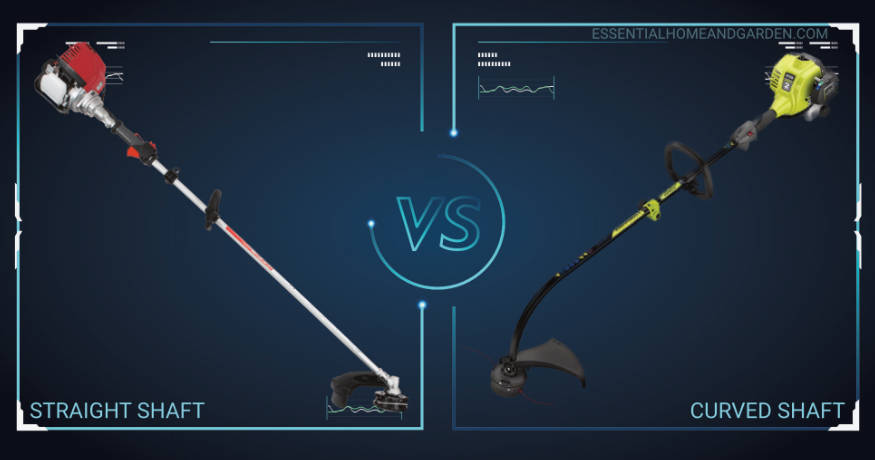
Gas trimmers come in straight or curved shaft configurations, each with distinct advantages depending on your property’s layout. Straight shaft models provide better reach under obstacles and improved visibility of the cutting path—ideal for open areas and properties with few obstructions. The Husqvarna 122L series demonstrates this design philosophy with its emphasis on professional-grade durability.
Curved shaft designs excel in maneuverability around garden beds, trees, and fence lines where precision matters more than reach. These models typically position the handle closer to the user’s body, reducing strain during extended use. If your yard has numerous landscape features requiring careful navigation, a curved shaft gas trimmer will save you time and frustration compared to constantly repositioning a straight shaft model.
Corded Electric Weed Wackers: The Hidden Gem for Small Properties
Corded electric string trimmers occupy a specific but valuable niche among types of weed wackers, offering unlimited runtime at generally lower prices than battery alternatives. These units deliver consistent power without performance decline as batteries deplete—making them ideal for users with smaller yards where extension cords can reach all areas. The absence of batteries or fuel systems also means corded models require the least maintenance of all trimmer types.
When Corded Models Outperform Battery Alternatives
For properties under 1/4 acre with accessible outdoor outlets, corded electric weed wackers provide significant advantages over other types. Without battery weight, these units often feel lighter in hand than comparable battery models, reducing user fatigue during trimming sessions. The consistent power delivery ensures maximum cutting performance from start to finish—unlike battery models that gradually lose effectiveness as charge depletes.
The primary limitation is obviously the extension cord, which requires careful management to avoid cutting the cord with the trimmer line. Modern safety features like automatic shut-offs when the cord is severed mitigate this risk, but cord management remains the critical factor determining whether corded models suit your needs. If your yard has multiple accessible outlets, corded trimmers offer the most cost-effective solution with zero runtime anxiety.
Rapid Replace™ Trimmer Heads: Cutting Line Systems That Save Time
The type of cutting head significantly impacts your trimming efficiency regardless of power source. Traditional bump-feed systems require stopping to manually advance the line, while modern Rapid Replace™ Trimmer Heads let you change cutting line in seconds without tools. When comparing types of weed wackers, prioritize models with easy line replacement systems—this single feature can save you 10-15 minutes per session in line adjustments and replacements.
Husqvarna’s Combi Switch platform exemplifies this advancement, allowing quick attachment changes between string trimmer heads, edgers, and other lawn tools. This modularity transforms a single power unit into multiple tools, providing substantial value for homeowners wanting comprehensive lawn care capabilities without investing in separate dedicated machines. The 110iL FLXi with Trimmer Attachment demonstrates how this system works in practice, earning 4.3-star ratings for its versatility.
Professional vs. Residential Trimmer Types: Don’t Overspend on Unnecessary Features
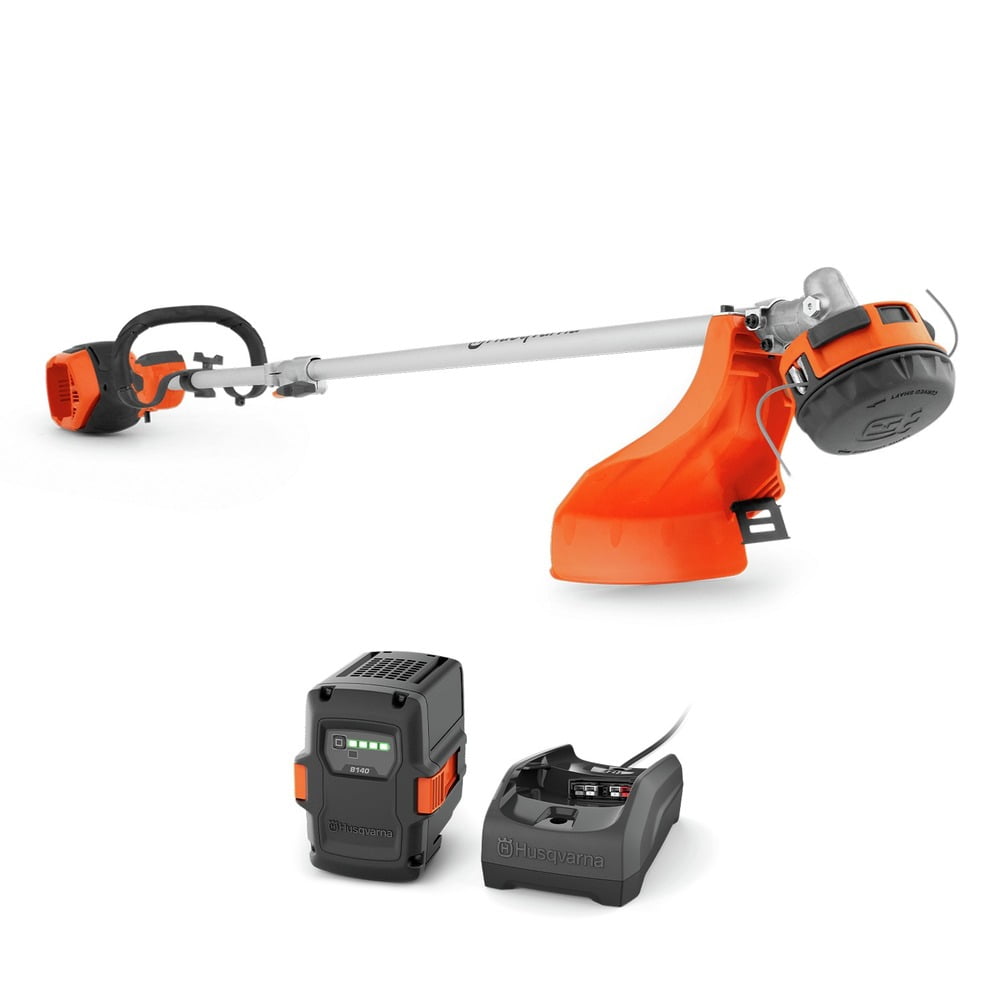
Manufacturer distinctions between professional and residential trimmer types often translate to durability and warranty coverage rather than raw performance. Professional models feature reinforced components designed for daily commercial use, while residential units prioritize cost-effectiveness for occasional weekend maintenance. The Husqvarna 330iKL represents the professional battery-powered category with its 18-inch cutting width and commercial-grade construction, while the 122 series serves residential users with sufficient power at lower cost.
Most homeowners mistakenly believe they need professional-grade equipment, but unless you’re maintaining multiple properties daily, residential models provide more than adequate performance at better value. Check warranty terms—professional units typically offer 2-5 year commercial warranties versus 1-2 years for residential models. For typical suburban lawn maintenance, the residential types of weed wackers deliver optimal balance of performance, weight, and cost.
Making Your Final Decision: Match Trimmer Type to Your Specific Needs
Selecting the right type of weed wacker depends on three critical factors: property size, vegetation type, and usage frequency. For small urban lots under 1/4 acre with light grass, a corded electric or compact battery model (11.8-16 inch width) provides the most cost-effective solution. Medium-sized suburban yards (1/4-1/2 acre) benefit from 40V battery models with 16-17 inch cutting widths that balance efficiency and maneuverability. Large properties over 1/2 acre or those with thick brush require gas-powered models for their unlimited runtime and maximum cutting power.
Consider noise restrictions in your neighborhood—battery models operate at 60-70 decibels versus 90+ for gas trimmers, potentially allowing earlier morning operation where noise ordinances apply. Also factor in storage space and maintenance willingness; gas trimmers require proper fuel storage and seasonal maintenance that battery models avoid. By matching the specific type of weed wacker to your actual needs rather than marketing hype, you’ll enjoy years of reliable service without overspending on unnecessary features.
Leave a Reply