
Selecting the right string trimmer head directly impacts how efficiently you can tackle overgrown grass, stubborn weeds, and hard-to-reach edges around your property. With numerous trimmer head types available on the market, each designed for specific feeding mechanisms and applications, understanding the differences between them helps you make an informed purchase that saves time and improves cutting performance. Whether you are a homeowner maintaining a small yard or a professional landscaper tackling large commercial properties, the trimmer head you choose determines line loading speed, cutting efficiency, and overall user experience during extended trimming sessions.
This comprehensive guide breaks down every major trimmer head type available for straight shaft trimmers, the most common configuration for both residential and commercial equipment. You will learn how each feeding mechanism operates, what makes each type unique, and which applications best suit each design. By the end of this article, you will understand exactly which string trimmer head type matches your specific needs and how to select the right one for your equipment.
Speed Feed Trimmer Heads: Fast Line Loading for Frequent Breaks
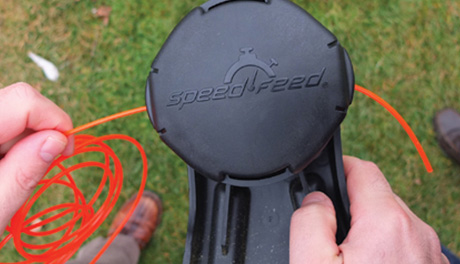
Speed Feed trimmer heads have revolutionized how quickly operators can reload line during operation, eliminating the need to disassemble the head or use complicated tools. This mechanism allows you to reload trimmer line in mere seconds by simply feeding the line through the head and pulling both ends to set the proper length. The design has gained widespread popularity among homeowners and professional landscapers alike because line breaks happen frequently during intensive use, and waiting to reload disrupts workflow significantly.
The Speed Feed system works by featuring a simple slot or opening that accepts line without requiring you to thread it through small holes or wind it around internal spools. When you pull the line ends after inserting them, the head automatically sets the correct length for optimal cutting. This mechanism proves especially valuable when you are working in areas with dense vegetation that causes frequent line breakage, such as along fence lines, around landscaping rocks, or in overgrown garden beds.
Two primary Speed Feed options dominate the market. The Oregon 4-1/2-inch Speed Feed (part number 55-265) offers universal compatibility with most straight-shaft trimmer models and features a 4-1/2-inch cutting diameter that provides efficient coverage for typical residential and light commercial applications. For precision work requiring increased maneuverability, the 3-3/4-inch Speed Feed (part number 55-294) delivers a more compact cutting diameter that allows you to navigate tight spaces around garden beds, trees, and obstacles with greater control.
Jet-Fit Trimmer Heads: Innovative Line Loading for Professional Results
Jet-Fit trimmer heads incorporate an innovative approach to line loading that combines ease of use with reliable performance under demanding conditions. The Jet-Fit designation refers to a specific technological system designed for quick and effortless replacement of trimmer line, featuring internal mechanisms that facilitate smooth line extension during operation. These heads accept either round or shaped trimmer lines, providing flexibility in line selection based on your specific cutting needs.
The Jet-Fit system appeals to users who want rapid line loading without sacrificing the precision and control that more complex mechanisms provide. The design typically includes specialized channels and guides that help line feed smoothly during operation while preventing tangles or jams that can interrupt your work. This makes Jet-Fit heads particularly suitable for users who alternate between different line types depending on the vegetation they are cutting.
The 2-Line Aluminum Jet-Fit Trimmer Head (part number 55-403) features aluminum construction for enhanced durability and dual-line capability that increases cutting efficiency by providing two cutting edges simultaneously. This dual-line design reduces the number of revolutions required to complete each cutting pass, which means faster completion of trimming tasks and less strain on your equipment’s engine. For those seeking a complete replacement solution, the Jet-Fit 25 CC Universal Easy-Load Strimmer Head (part number 111110) includes FlexiBlade strimmer lines optimized specifically for the Jet-Fit mechanism, ensuring proper fit and function right out of the box.
Bump Feed Trimmer Heads: Tactile Control for Professional Users
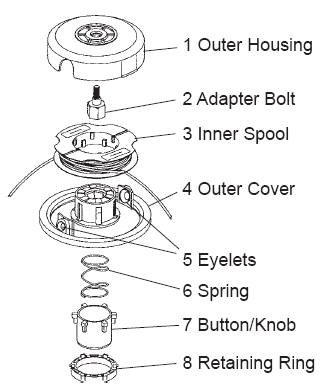
Bump feed trimmer heads, sometimes called bump-n-feed or tap-and-go systems, operate through a familiar mechanism that many professional landscapers prefer for the tactile feedback it provides. To advance additional line, you simply press the trimmer head against the ground, which triggers a spring-loaded internal assembly to release a predetermined length of line. This hands-on approach gives you direct control over when and how much line advances, preventing accidental feeding during precise trimming work.
The bump feed mechanism uses a spring-loaded spool housing that moves internally when you bump the head, allowing a set amount of line to extend from the head. The system includes a wear plate or cutting blade that trims excess line to the correct length each time you bump, ensuring consistent cutting diameter throughout operation. This self-trimming feature maintains optimal cutting performance without requiring you to stop and manually cut line to length.
Professional users often favor bump feed heads because the physical action of bumping provides clear feedback that line has advanced, which proves advantageous during intensive trimming sessions where visual confirmation might be difficult. The Oregon Dual Line Bump Feed head (part number 55-284) combines this trusted bump feed mechanism with dual-line capability, delivering increased cutting performance while maintaining the familiar operation that professionals rely on daily.
Manual Feed Trimmer Heads: Simple and Reliable Operation
Manual feed trimmer heads represent the simplest approach to trimmer line advancement, requiring the operator to stop the tool and manually pull new line from the head when additional cutting length is needed. While this approach demands more operator attention during operation, manual feed heads typically feature simpler construction with fewer moving parts, which translates to increased reliability and reduced maintenance requirements over the tool’s service life.
The straightforward design of manual feed heads eliminates the springs, release mechanisms, and complex internal components found in automatic or bump feed systems. With fewer parts that can wear out, break, or require adjustment, these heads often outlast more complex designs in harsh operating conditions. This simplicity also makes manual feed heads lighter than their automatic counterparts, which can reduce fatigue during extended use.
Manual feed heads suit users who prefer direct control over line advancement or who operate in conditions where line consumption is minimal. The Oregon Manual Feed head (part number 55-069-0) provides a straightforward solution for straight-shaft trimmers, making it ideal for users who value reliability and simplicity over convenience features. If you primarily trim light vegetation and rarely experience line breaks, the manual feed design eliminates the complexity of learning a new system while providing dependable service.
Lighting Load Trimmer Heads: Reduced Weight for Extended Comfort

Lighting Load technology addresses a common concern among extended-use operators: fatigue from tool weight. This line advancement system specifically targets weight reduction while maintaining reliable operation throughout your trimming sessions. The reduced mass contributes directly to decreased overall tool weight, which can make a noticeable difference during long days of continuous trimming work.
The Lighting Load mechanism typically features specialized internal components optimized for smooth line feeding with minimal resistance, allowing the design to use lighter materials without sacrificing durability. The reduced friction in the line advancement system means less effort is required to feed line when needed, complementing the weight savings with improved ease of use. This combination makes Lighting Load heads particularly attractive for users who spend hours each week maintaining larger properties.
Oregon offers several Lighting Load options, including part numbers 55-990 and 55-989, which provide the weight-reducing benefits of this technology as replacement head options for various straight-shaft trimmer models. If you have experienced fatigue or strain from extended trimmer use, switching to a Lighting Load head can noticeably improve your comfort without requiring you to invest in a completely new tool.
Heavy-Duty Commercial Options: Magnum Gatorhead for Tough Jobs
Commercial landscaping operations demand trimmer heads capable of extended operation under demanding conditions that would quickly wear out residential-grade equipment. Heavy-duty trimmer heads feature reinforced construction, larger line capacity, and enhanced durability specifically engineered to withstand the rigors of daily professional use. These heads accommodate the higher power outputs of commercial-grade trimmers while providing the reliability that professional landscapers depend on to maintain their productivity.
The Magnum Gatorhead design represents Oregon’s commercial-grade offering, featuring a toothed or serrated cutting edge design that provides aggressive cutting action for tough vegetation including thick weeds, light brush, and dense grass. The 4-inch cutting diameter delivers wide coverage for efficient material removal in open areas, while the heavy-duty construction accommodates the demands of daily professional use without the frequent maintenance or replacement that lighter-duty heads require in commercial applications.
The Oregon 4-inch Heavy Duty Magnum Gatorhead (part number 55-140-0) fits most commercial straight-shaft trimmers and provides the durability and performance that professional landscapers need. While residential users might find this head excessive for their needs, anyone maintaining large properties, managing commercial landscapes, or frequently tackling tough vegetation will appreciate the reduced downtime and consistent performance that commercial-grade construction provides.
OEM-Specific Compatibility: Stihl Autocut Replacements for Exact Fit
Some trimmer heads are designed as direct replacements for original equipment manufacturer parts, ensuring exact fit and function for specific trimmer models. OEM-compatible heads maintain the performance characteristics of your original equipment while providing replacement options beyond the official dealer network. This approach gives you flexibility in sourcing replacement parts while ensuring your equipment continues operating as intended.
The Stihl Autocut 25-2 replacement head (part number 55-993, original part number 4002-710-2191) serves as a direct replacement for Stihl FS series trimmers and KM combination tool systems. Using an OEM-specific replacement ensures that the threading, spline count, and attachment method match your equipment exactly, preventing the fitment issues that can occur when using universal heads on specific models. This guaranteed compatibility eliminates the uncertainty that sometimes accompanies universal head purchases.
When selecting OEM-specific replacements, verify that the part number matches your equipment model before purchasing. While universal heads may offer broader compatibility, OEM-specific heads provide peace of mind that the replacement will function correctly with your specific trimmer, maintaining the performance and handling characteristics you have come to expect from your equipment.
Choosing Your Ideal String Trimmer Head Type
Selecting the optimal trimmer head type requires evaluating several factors specific to your situation. Consider how frequently you use your trimmer and in what conditions. Homeowners with small yards who trim occasionally may find that simple manual feed or bump feed heads provide adequate functionality, while those with larger properties or tougher vegetation benefit from Speed Feed or Jet-Fit systems that minimize downtime from line changes.
The type of vegetation you typically cut also influences your ideal choice. Light grass and occasional weeds work well with any head type, but thick weeds, brush, or dense growth favor heavy-duty options like the Magnum Gatorhead or dual-line heads that provide aggressive cutting action. If your property includes many obstacles like fences, trees, or landscaping features where line breaks frequently occur, the rapid loading capability of Speed Feed or Jet-Fit heads becomes particularly valuable.
Your physical comfort during extended use matters as well. If you experience fatigue or strain from prolonged trimming sessions, Lighting Load heads offer meaningful weight reduction that can improve your experience. The lighter construction reduces arm and shoulder strain, allowing you to work longer without discomfort. This consideration becomes increasingly important as property size or trimming frequency increases.
Leave a Reply