

Tangled weeds along your fence line, stubborn grass growing through patio cracks, and overgrown corners that your lawn mower can’t reach—these are exactly where a gas weed trimmer shines. Unlike electric models tethered to outlets or limited by battery life, gas-powered trimmers deliver consistent power for large properties and tough vegetation. Mastering how to use a gas weed trimmer properly transforms frustrating yard work into efficient, satisfying landscaping. This guide covers everything from safety setup to advanced trimming techniques, so you can tackle even the most overgrown areas with confidence. Whether you’re maintaining a half-acre property or just need to edge along your driveway, these step-by-step instructions will help you achieve professional results while protecting your equipment and yourself.
Essential Safety Precautions Before Starting
Gas weed trimmers operate at high speeds with rotating cutting lines that can propel debris at dangerous velocities. Skipping proper safety preparation risks serious injury to you and others nearby. Always begin by gathering the right protective gear: safety glasses with side shields to prevent eye injuries from flying rocks and vegetation, long pants made of durable material to protect your legs, and sturdy closed-toe boots that cover your ankles. Many beginners underestimate noise exposure—gas trimmers typically produce 95-110 decibels, enough to cause permanent hearing damage during extended use—so invest in quality ear protection.
Before starting your trimmer, thoroughly inspect your work area for potential hazards. Remove sticks, stones, toys, and other objects that could become dangerous projectiles when struck by the spinning line. Check for low-hanging branches, electrical wires, and fragile landscaping features you might accidentally damage. If working near windows or glass doors, warn others inside to stay clear. Never operate a gas trimmer in enclosed spaces like garages or sheds due to carbon monoxide buildup from exhaust fumes. Position yourself with a stable stance, feet shoulder-width apart, and maintain three points of contact with the ground when possible for better balance on uneven terrain.
Understanding Your Trimmer’s Components
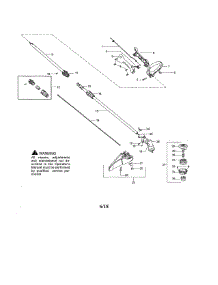
Identifying key parts of your gas weed trimmer prevents confusion during operation and troubleshooting. The engine housing contains either a two-stroke or four-stroke engine—most residential models use two-stroke engines requiring mixed fuel. The shaft connects the engine to the cutting head and comes in curved or straight configurations; curved shafts offer better maneuverability in tight spaces while straight shafts provide more power transfer for heavy-duty work. The cutting head at the bottom holds the trimmer line and typically features either bump-feed (tap to advance line) or auto-feed mechanisms.
Your trimmer’s handle system significantly affects control and comfort. T-handles (loop handles) provide superior control for extended use but require two-handed operation, while J-handles allow one-handed operation for quick edging tasks. Locate the throttle trigger on the right handle grip—it controls engine speed when squeezed—and identify the safety lockout button you must press before engaging the throttle. The choke lever, usually on the carburetor housing, enriches the fuel mixture for cold starts. Familiarize yourself with the primer bulb (if equipped), which draws fuel into the carburetor before starting, and the kill switch that stops the engine instantly. Knowing these components by sight prevents fumbling during operation.
Fueling Your Trimmer Correctly
Improper fueling causes more trimmer failures than any other user error. Two-stroke engines require precise gasoline-to-oil ratios—typically 40:1 or 50:1—using oil specifically formulated for air-cooled engines. Never substitute automotive motor oil, as it lacks the necessary lubrication properties for small engines. Measure carefully using the graduated markings on the oil container and mix in a dedicated fuel can before transferring to your trimmer’s tank. Four-stroke engines require straight gasoline without oil mixing but have separate oil reservoirs that need periodic checking and changing.
Always use fresh gasoline purchased from high-volume stations to ensure quality, and avoid ethanol-blended fuels when possible—they attract moisture and can damage fuel system components. If you must use ethanol fuel, choose E10 (10% ethanol) and add a fuel stabilizer if the trimmer will sit unused for more than 30 days. Never refuel a hot engine—wait at least 15 minutes after operation to prevent accidental ignition from fuel vapors contacting hot surfaces. Work in a well-ventilated outdoor area, wipe the fuel cap clean before opening, and fill only to the recommended level without overfilling. Tighten the cap securely but avoid overtightening, which can damage the fuel tank threads.
Starting Your Trimmer Successfully
Mastering the starting sequence prevents frustration and potential injury from improper technique. For cold starts (after sitting overnight), begin by moving the choke lever to the “full” position and pressing the primer bulb 5-10 times until fuel becomes visible. Place your foot firmly on the upper guard to stabilize the trimmer, then pull the starter rope with a smooth, decisive motion—never “feather” the rope by partial pulls. After 3-5 pulls, you should hear the engine attempt to fire. Once it pops, move the choke to half position and pull again. When the engine runs steadily, move the choke to open position and squeeze the throttle to bring it to full speed.
Warm starts require different handling—leave the choke in the open position and use just 1-2 pulls. If the engine floods (common when over-priming), wait 10-15 minutes with the choke fully open before trying again. Always maintain a firm grip on the trimmer during starting, keeping the cutting head pointed away from your body. If your trimmer has a decompression valve, press it before pulling to reduce resistance. Never wrap the starter rope around your hand—hold it with a firm grip at the end of the rope’s extension for maximum control and safety.
Proper Trimming Techniques for Best Results
Your body position and movement pattern dramatically affect cutting efficiency and safety. Hold the trimmer with both hands, elbows slightly bent, and maintain a comfortable stance that allows you to pivot at the waist rather than your shoulders. Keep the cutting head tilted 20-30 degrees toward the vegetation you want to cut, with the line rotating away from you to direct debris forward. Move the trimmer in smooth, side-to-side arcs at waist height—never raise it above shoulder level where you lose control and increase injury risk.
For edging along sidewalks or driveways, tilt the trimmer head vertically so the line cuts against the hard surface, creating a clean separation between lawn and pavement. Work slowly along the edge, letting the line do the cutting rather than forcing it through the soil. When tackling tall weeds, start at the top and work downward in horizontal sections to prevent vegetation from falling onto cleared areas. For dense growth, make multiple passes at progressively lower heights rather than trying to cut everything at once. Always watch where you’re directing clippings—avoid throwing debris toward windows, vehicles, or people.
Troubleshooting Common Starting and Performance Issues
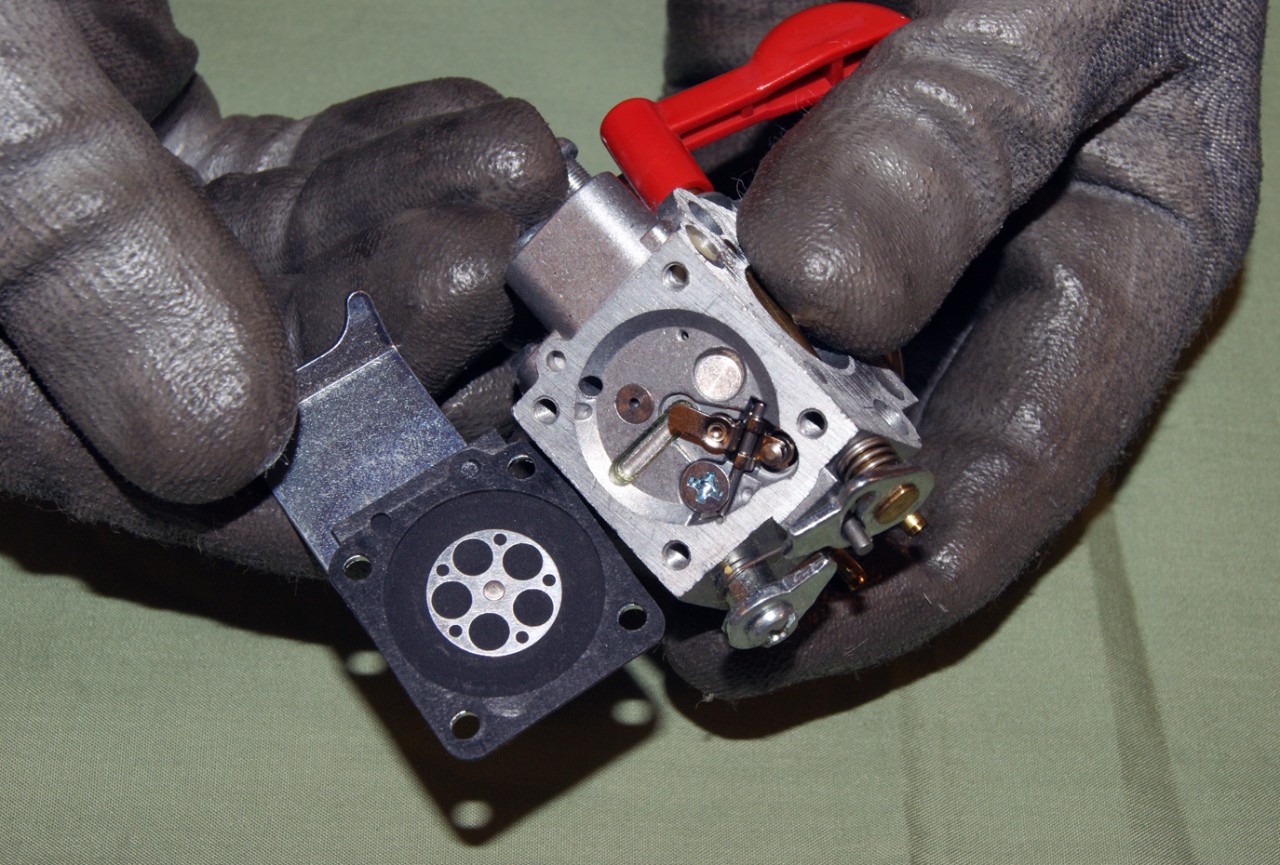
When your trimmer won’t start, systematically check the most common culprits before assuming major problems. First verify fresh, properly mixed fuel is in the tank—stale fuel is responsible for most starting failures. Check that the spark plug is securely connected and not fouled with carbon buildup. Ensure the kill switch isn’t accidentally engaged. If the engine cranks but won’t fire, it’s likely flooded—wait 10-15 minutes with the choke open before trying again.
Poor running performance often stems from simple issues. A clogged air filter restricts airflow and causes rough operation—remove, clean, and reinstall it. Check for cracks in the fuel lines and ensure the in-tank filter isn’t blocked. If vibration becomes excessive, inspect the cutting head for uneven line distribution or tangles that create imbalance. When line won’t advance properly in bump-feed heads, clean debris from the mechanism and reload with the correct diameter line for your model. Keeping a basic maintenance kit (spark plug, air filter, extra line) in your garage saves trips to the store when problems arise.
Advanced Tips for Efficient Trimming
Professional landscapers maximize efficiency through strategic planning and technique refinement. Always mow before trimming—the shorter grass provides cleaner cutting surfaces and prevents long blades from wrapping around your trimmer head. Trim when vegetation is dry for cleaner cuts and reduced head clogging. Match your line thickness to the job: 0.080-inch line works well for routine edging while 0.110-inch handles thick brush but requires more engine power.
Develop a systematic pattern for large areas—start around the perimeter, then work in parallel lines with slight overlap to ensure complete coverage. When trimming near fences or walls, direct the line’s rotation away from these surfaces to prevent debris from bouncing back at you. For slopes, work across the incline rather than up and down to maintain stability. Consider wind direction when trimming to keep clippings from blowing onto freshly cleaned surfaces or neighboring properties. These small adjustments compound into significant time savings during extensive landscaping projects.
Maintaining Your Trimmer for Longevity
Post-use maintenance extends your trimmer’s life dramatically. After each session, clean grass and debris from the cutting head, guard, and cooling fins using a soft brush—never water or compressed air directly into the engine. Check and refill the trimmer line so you’re ready for next time. Inspect the air filter by tapping out loose debris and washing with mild soap if heavily soiled. Every 10-15 hours of use, remove and clean the spark plug, checking the electrode gap (typically 0.020-0.025 inches).
Before storage, run the engine until it’s out of fuel to prevent carburetor clogs from stale gasoline. Store your trimmer upright in a dry location away from direct sunlight—never on its side with fuel remaining in the tank. For extended storage over one month, add fuel stabilizer to fresh gasoline, run the engine for several minutes to circulate it, then shut down. Consider applying fogging oil through the spark plug hole to protect internal engine surfaces during long storage periods. These simple habits prevent 90% of common trimmer failures and extend equipment life significantly.
Final Note: Mastering how to use a gas weed trimmer combines proper technique with consistent maintenance. By following these safety protocols, starting procedures, and trimming methods, you’ll achieve cleaner results with less effort while protecting your investment. Remember that regular air filter cleaning, fresh fuel, and proper storage make the difference between a trimmer that fails after one season and one that serves you reliably for many years. With practice, these procedures will become second nature, transforming your yard work from a chore into satisfying landscaping that enhances your property’s appearance.
Leave a Reply