
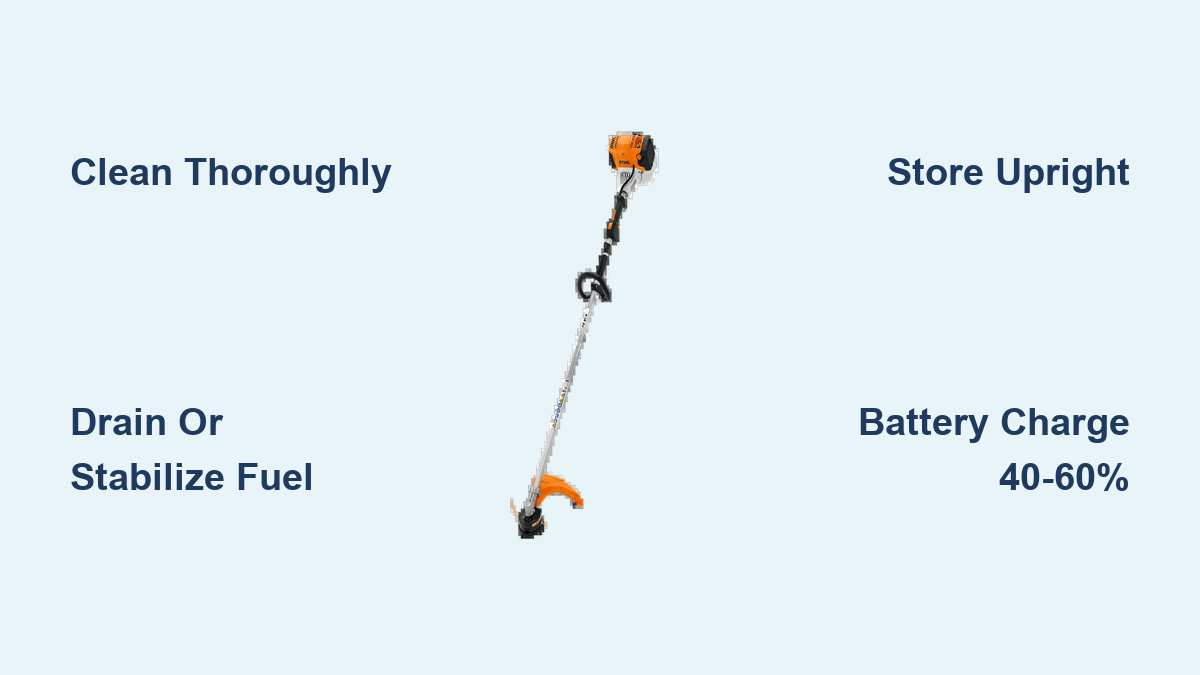
Proper storage of your Stihl weed trimmer isn’t just about finding space in your garage or shed—it’s about protecting a significant investment and ensuring your equipment starts reliably when you need it again. Whether you’re putting your trimmer away for winter or storing it between uses during the mowing season, following the right procedures can extend the life of your machine by years and save you from costly repairs down the road. Gas-powered equipment like Stihl trimmers requires specific care steps that differ significantly from electric or battery-powered models, and skipping even one step can lead to fuel system problems, carburetor issues, or engine damage.
This guide walks you through everything you need to know about storing your Stihl weed trimmer properly, from cleaning and fuel management to choosing the right storage location and position. We’ve organized the steps chronologically so you can work through the process efficiently, whether you’re a first-time owner learning proper maintenance or a seasoned landscaper looking to refine your storage routine.
Clean Your Stihl Weed Trimmer Thoroughly Before Storage
Before you store your Stihl weed trimmer for any extended period, you need to remove all debris, grass clippings, and buildup that accumulated during use. This step is about more than aesthetics—organic material trapped in the trimmer head, around the engine vents, and along the drive shaft can attract moisture, promote corrosion, and create breeding grounds for pests. A thorough cleaning takes fifteen to thirty minutes but prevents problems that can cost much more in repair bills later.
Start by disconnecting the spark plug wire to prevent accidental starting during cleaning. For gas-powered models, this is a critical safety step you should never skip. Then, use a soft brush or cloth to wipe down the entire exterior of the trimmer, paying particular attention to the cooling fins on the engine cylinder, the air filter cover, and the area around the trimmer head where grass tends to accumulate. A small brush or old toothbrush works well for getting debris out of tight spaces around the bump feed mechanism or automatic line advance system.
For stubborn buildup on the trimmer head or cutting attachment, remove these components according to your model’s instructions and soak them in warm, soapy water. Stihl recommends removing the cutting head periodically anyway for inspection and maintenance, so this is an opportune time to do so. While the head is off, check the drive shaft for any signs of damage or excessive wear and clean any debris from its connection point. Allow all components to dry completely before reassembly, as trapped moisture can cause rust and corrosion during storage.
The trimmer’s air filter also requires attention before storage. Remove the air filter cover and take out the filter element. If the filter is foam, wash it in warm, soapy water, rinse thoroughly, and let it dry completely before reinstalling. If it’s a paper filter, tap it gently to remove loose debris and replace it if it’s heavily clogged or damaged. A clean air filter prevents dust and debris from entering the engine during storage and ensures proper airflow when you start the trimmer again.
Drain or Stabilize Fuel in Your Stihl Gas Trimmer
The fuel system requires special attention when storing a gas-powered Stihl weed trimmer because gasoline begins degrading within weeks. Old fuel leaves varnish and gum deposits in the carburetor, fuel lines, and fuel tank, which can clog tiny passages and prevent your trimmer from starting when you need it. Stihl recommends running the engine dry of fuel for short-term storage of a few weeks, but for longer periods, you need a different approach.
For storage periods exceeding two weeks, you have two primary options. The first is to run the engine with a fuel stabilizer added to the tank, following the manufacturer’s ratio instructions. Add stabilizer to fresh fuel in your can before filling the tank, then run the engine for several minutes to allow the stabilized fuel to circulate through the entire fuel system. This coats internal components with a protective layer that prevents varnish formation during storage. High-quality fuel stabilizers like STIHL’s MotoMix or STA-BIL work well and are specifically formulated for small engines.
The second option involves completely draining the fuel system before storage. This approach eliminates any possibility of old fuel causing problems, but it requires additional steps. Run the engine until it stalls from fuel exhaustion, then remove the spark plug and add a few drops of oil into the cylinder through the spark plug hole. Pull the starter rope slowly a few times to distribute the oil on the cylinder walls, which prevents corrosion during storage. Replace the spark plug (or at least reconnect the wire) and store the trimmer with an empty tank.
If you choose to leave fuel in the tank, always store the trimmer in a cool, well-ventilated area away from any ignition sources. The fuel tank should be no more than three-quarters full to allow for fuel expansion on warm days. Never store fuel in the trimmer for more than a few months even with stabilizer, as all gasoline eventually breaks down regardless of additives.
Store Your Stihl Trimmer in the Proper Position and Location

Where and how you store your Stihl weed trimmer significantly impacts its condition when you retrieve it. The ideal storage space is cool, dry, well-ventilated, and protected from extreme temperature fluctuations and direct sunlight. Garages and sheds work well for most homeowners, though basement storage is also acceptable provided the area stays above freezing and has reasonable air circulation.
Temperature matters more than many owners realize. Extreme cold can cause condensation to form inside the fuel system and engine components, leading to rust and corrosion. Extreme heat accelerates fuel degradation and can damage plastic and rubber components over time. Stihl recommends storing equipment in temperatures between 40 and 85 degrees Fahrenheit whenever possible. If you must store your trimmer in an unheated space during winter, wait until the first hard frost to move it outside and bring it back inside before thawing weather creates moisture problems.
The storage position of your trimmer affects fuel system integrity and overall component wear. Always store the trimmer upright, with the engine at the top and the cutting attachment pointing down or to the side. This position prevents fuel from leaking into the cylinder or air filter and keeps oil distributed properly within the engine. Stihl’s own storage recommendations emphasize upright positioning for this reason. Wall-mounted racks or specialized trimmer hangers work excellently for keeping equipment off the ground and in the proper orientation.
Avoid storing your trimmer directly on concrete floors, which can draw moisture through the base and promote rust on the lower drive shaft housing. If you must place it on the floor, use a wooden board or platform as a barrier. Never store your trimmer near fertilizers, pesticides, or other chemicals, as fumes and residue can damage engine components and corrode metal surfaces over time.
Prepare Stihl Battery-Powered Trimmers for Long-Term Storage

If you own a Stihl battery-powered weed trimmer rather than a gas model, your storage requirements differ significantly. Lithium-ion batteries used in Stihl’s battery-powered equipment have specific care requirements that, if ignored, can permanently reduce their capacity and lifespan. The good news is that properly stored battery trimmers often start reliably after years of storage, unlike gas models that require more extensive preparation.
Store lithium-ion batteries at approximately 40 to 60 percent charge for optimal long-term health. A fully charged battery stored for extended periods experiences more stress than one stored at partial charge, while a completely depleted battery can fall into a deep discharge state that renders it unusable. If your trimmer has a removable battery, take it out before storage and store it separately in a cool, dry location away from metal objects that could cause short circuits.
Temperature requirements for batteries are stricter than for gas equipment. Avoid storing lithium-ion batteries in locations that experience freezing temperatures, as this can permanently damage the cells. Similarly, don’t store batteries in hot attics or cars during summer months. Ideal storage temperatures for Stihl batteries range from 50 to 77 degrees Fahrenheit. Some owners invest in insulated battery storage boxes for garage or shed storage in regions with extreme temperatures.
Keep battery contacts clean and protected during storage. A small amount of dielectric grease on the contacts prevents oxidation and ensures good electrical connection when you reinstall the battery. If your battery shows any signs of damage—swelling, leakage, or physical deformation—dispose of it properly and replace it rather than risking safety issues during use.
Complete Final Storage Checks Before Putting Your Trimmer Away
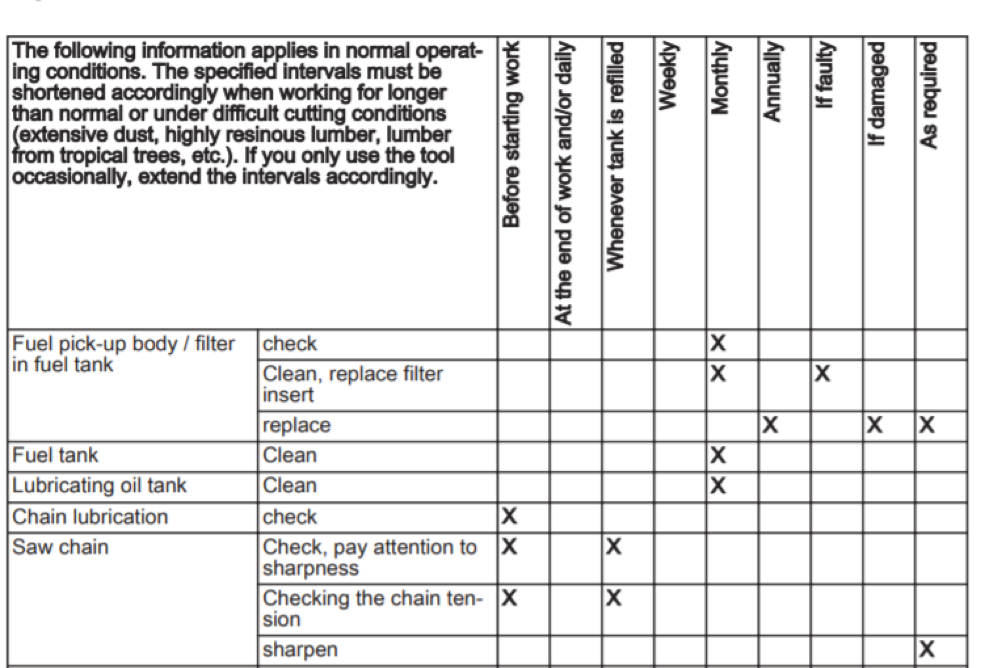
Before you tuck your Stihl weed trimmer away for storage, take time to inspect its condition and perform any necessary maintenance. This inspection catches small problems before they become major repairs and ensures your trimmer is ready to perform when you need it. Think of it as a pre-flight check for your equipment.
Examine the trimmer line for wear and replace it if it’s worn thin or broken into short pieces. Fresh line loads easier and cuts cleaner when you resume use, saving you frustration during your first spring mowing session. Check the trimmer head for cracks, wear on the bump feed mechanism, and condition of any mounting hardware. Replace worn parts now rather than discovering failures when you’re trying to work.
Inspect all fasteners and tighten any that have come loose during use. Vibration from operation can gradually loosen screws and bolts, and checking them before storage takes only a moment. Pay particular attention to the handle mounting hardware and trimmer head attachment points. If your trimmer has a vibration dampening system, verify that the components are in good condition and properly positioned.
Check the condition of the spark plug and replace it if the electrode is worn or the insulator is cracked. A fresh spark plug ensures reliable starting after storage and costs only a few dollars. While you’re at it, inspect the spark plug wire for cracks or damage and ensure the boot fits securely on the plug. For trimmers with recoil starters, examine the starter rope for fraying and replace it if necessary—ropes often fail at the worst possible moments.
Prepare Your Stihl Weed Trimmer for Seasonal Use After Storage
When storage season ends and you’re ready to use your Stihl weed trimmer again, a few simple steps ensure reliable starting and optimal performance. Don’t just pull it out of the shed and expect it to start immediately—taking ten minutes to prepare it for use saves time and frustration.
For gas trimmers stored with stabilized fuel, check the fuel level and add fresh fuel if needed. Inspect the air filter and clean or replace it if it became clogged or contaminated during storage. Verify that the spark plug is clean and properly gapped, and install a new one if you didn’t replace it before storage. Pressurize the primer bulb several times to deliver fuel to the carburetor, and you’re ready to attempt starting.
For trimmers stored completely dry, you’ll need to add fresh fuel and repeat the fuel system priming process. Remember to pull the starter rope several times with the spark plug removed to distribute oil from your storage preparation before installing a fresh plug or reinstalling the old one. Some owners add a small amount of fuel directly into the cylinder through the spark plug hole to ease first-start efforts.
Inspect the trimmer line and cutting head again before your first use, as line can degrade during extended storage and may need replacement. Check all fasteners one more time and make any necessary adjustments to handle position or harness setup. With these steps complete, your Stihl weed trimmer should start reliably and perform as expected throughout the coming season.
Following these detailed storage procedures for your Stihl weed trimmer ensures it remains in peak condition through off-seasons. Proper storage prevents costly repairs and extends your equipment’s lifespan significantly. Remember to always consult your specific model’s owner’s manual for manufacturer-recommended storage procedures, as requirements may vary between Stihl trimmer models. The recommendations here reflect general best practices for gas-powered and battery-powered handheld outdoor power equipment to keep your Stihl weed trimmer ready for action whenever you need it.
Leave a Reply