
Nothing disrupts your lawn care rhythm like a weed trimmer that suddenly runs out of line mid-task. Knowing how to spool weed trimmer line properly means you can get back to work in minutes rather than waiting for professional service or struggling with frustrating tangles. Whether you’re maintaining a small suburban yard or managing extensive landscaping, mastering this essential skill ensures your trimmer delivers clean, precise cuts along edges and around obstacles. This guide eliminates the guesswork from reloading your trimmer line, providing step-by-step instructions that work for gas, electric, and battery-powered models. You’ll learn to select the right line, wind it correctly, troubleshoot common issues, and maintain optimal performance season after season.
Choose the Correct Trimmer Line for Your Machine

Selecting compatible trimmer line prevents damage to your equipment and ensures efficient cutting performance. Using the wrong line diameter can overload your motor or cause frequent breakage, wasting both time and money. Most residential trimmers require line between 0.065 and 0.095 inches thick—check your owner’s manual for the exact specification as exceeding maximum thickness strains the motor.
Line shape dramatically affects cutting ability. Round line works best for general grass trimming around flower beds and sidewalks, offering durability when contacting hard surfaces. For thick weeds and light brush, square or hexagonal line provides sharper edges that slice through vegetation more effectively. Twisted line reduces vibration during operation but wears faster, while serrated or star-shaped line tackles woody growth but requires more frequent replacement.
Material composition matters for longevity. Standard nylon monofilament delivers the best balance of affordability and performance for most homeowners. Reinforced lines incorporate fiberglass or other materials for increased strength when cutting through tough vegetation. Premium composite lines resist heat buildup during extended use, reducing breakage when tackling large properties. Always purchase line specifically designed for your trimmer model to ensure proper feeding and optimal cutting efficiency.
Prepare Your Trimmer Before Spooling Line
Skipping proper preparation leads to frustrating tangles and feeding problems after reloading. Taking five minutes to set up correctly saves significant time and prevents common mistakes that compromise your trimmer’s performance.
Disconnect all power sources immediately. For gas trimmers, remove the spark plug wire to prevent accidental startup during maintenance. Unplug electric models from their power source, and remove battery packs from cordless units. This critical safety step protects against serious injury since trimmer heads can rotate unexpectedly when handling internal components.
Thoroughly clean the trimmer head assembly before installing new line. Use a stiff brush to remove grass clippings, dirt, and debris accumulated around the mounting points and line guides. Inspect the eyelets where line exits the head for cracks, burrs, or obstructions that could cause premature line breakage during operation. A simple wipe-down with a dry cloth often reveals hidden damage that would otherwise cause problems after reloading.
Gather essential tools before starting. You’ll need fresh trimmer line matching your machine’s specifications, wire cutters for trimming excess line, and possibly a flathead screwdriver to assist with stubborn head mechanisms. Having everything within reach prevents interruptions that lead to crossed wires or forgotten steps during the spooling process. Organize your workspace in a well-lit area with a clean surface to avoid losing small components.
Identify Your Trimmer Head Mechanism Type
Different head designs require specific loading techniques—using the wrong method causes feeding problems and premature line breakage. Most residential trimmers feature one of four common head types, each with distinct spooling requirements.
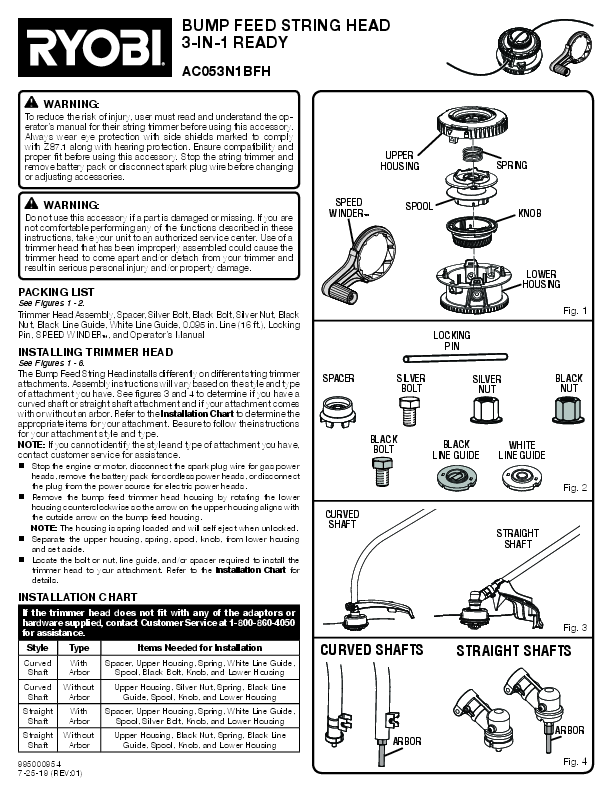
Bump-feed heads dominate the residential market with their spring-loaded line advancement system. These heads feature a central cap that you press against the ground to release additional line during operation. To reload, remove the cap by pressing tabs or unscrewing a knob, then lift out the inner spool. Wind new line in the direction indicated by arrows on the spool, threading each end through designated holes before reassembling.
Automatic-feed heads deploy line without bumping through internal mechanisms that sense centrifugal force. These require precise threading through smaller guide holes to engage the feed system properly. The winding process resembles bump-feed designs, but you must ensure line correctly interfaces with the automatic advancement components.
Fixed-line heads use pre-cut line lengths that remain stationary during operation. These simpler designs require threading both ends of a single line through opposite sides of the head, creating a U-shape that forms the cutting surface. Common on entry-level trimmers, they offer reliability but require more frequent line replacement.
Rapid-load systems simplify the process with push-button mechanisms or cartridge-style spools. These heads accept line without manual winding—just insert the cartridge or push line into designated slots. Consult your manual for specific loading procedures, as these systems vary significantly between manufacturers like Stihl, Husqvarna, and Black+Decker.
Wind Line Onto the Spool Correctly
Proper winding technique prevents frustrating tangles and ensures smooth line feeding during operation. Incorrect winding direction or tension causes most post-spooling problems encountered by homeowners.
Follow directional arrows precisely marked on your spool. Winding against the indicated direction causes line to unravel during use rather than feeding properly. If arrows are worn off, observe how old line was wound before removal, or consult your manual for the correct rotation direction. Most trimmers require clockwise winding when viewing the spool from above.
Measure appropriate line length before winding—typically 10-25 feet total depending on head size. Pull a length equal to your forearm (shoulder to fingertips) for each side of dual-line heads. Overfilling causes tangles and prevents proper feeding, while underfilling requires premature reloading. Leave 6-12 inches of line extending from each exit hole after winding.
Maintain consistent tension while winding. Wrap line neatly in parallel rows without overlapping—crossed lines create bulges that jam feeding mechanisms. Many spools feature notches or hooks to secure the starting end; use these to prevent unwinding during the process. Apply firm but not excessive tension to ensure tight, even wraps that won’t slip during operation.
Trim excess line carefully after winding completes. Use wire cutters for clean cuts that prevent fraying. Excessively long line creates tangling hazards, while line that’s too short won’t reach the cutting area effectively. Some trimmers require specific line lengths for optimal bump-feed operation—check your manual for precise measurements.
Reinstall the Trimmer Head Properly
Correct reassembly ensures your feeding mechanism functions as designed and prevents dangerous head separation during operation. This often-overlooked step causes many post-spooling issues experienced by DIYers.
Seat the spool in proper orientation within the head housing. Most spools feature a keyed shape or alignment tab that matches corresponding slots—forcing incorrect placement damages components. Verify line ends extend through exit holes before pressing the spool fully into place. Some heads require rotating the spool to engage feed mechanisms before installing the cap.
Secure the center cap correctly according to your head type. For bump-feed designs, press the cap down until tabs click into place or screw the central knob down to compress the spring mechanism. Test that the spool rotates freely while the cap remains securely attached—binding indicates misaligned line or debris preventing proper seating.
Perform a safety check before operation. Reconnect power sources and start the trimmer with the head elevated on a flat surface. The line should extend to full working length as centrifugal force pulls it outward. If line fails to deploy, winding direction may be incorrect or line could be tangled within the head. Never operate a trimmer with a loose or improperly installed head.
Fix Common Spooling Problems Immediately
Addressing issues promptly prevents minor frustrations from becoming major maintenance headaches. Most post-spooling problems have simple solutions when diagnosed correctly.
Untangle crossed lines by removing the spool and completely rewinding with proper tension. Ensure each wrap lies flat against the previous turn without overlapping. Verify line follows the correct path through all guides and exit holes. If tangling persists, inspect the spool for cracks or warping that requires replacement.
Resolve line feed failures by checking winding direction first—reverse if necessary. Clean debris from bump buttons or automatic feed mechanisms that may be jammed. Confirm you’re using line of correct diameter—too thick won’t feed, too thin slips through too easily. Some heads require priming by manually pulling line to engage the feed system.
Stop frequent line breakage by verifying line thickness matches your trimmer’s requirements. Inspect line guides for rough edges that saw through line during operation. Operate at full throttle—partial power causes line to drag rather than cut cleanly. Replace brittle or UV-damaged line that has been stored improperly.
Prevent head disassembly during use by ensuring caps are fully secured and locking mechanisms engaged. Clean debris from sealing surfaces that prevent proper closure. Replace worn tabs or cracked caps immediately—these components fail under centrifugal force if damaged.
Maintain Peak Trimmer Performance After Spooling
Regular maintenance extends equipment life and ensures consistent cutting performance after each line replacement. Simple habits prevent many common problems before they develop.
Inspect line before each use for signs of wear, UV damage, or fraying. Brittle, discolored line breaks more easily—replace it proactively. Keep spare line available in your garden shed to avoid being caught mid-job without replacement material.
Clean the trimmer head after each session to prevent grass buildup from interfering with feeding mechanisms. Use a stiff brush and water spray, then allow complete drying before storage to prevent corrosion. Periodic deep cleaning reveals hidden wear that causes premature component failure.
Store trimmers properly during off-seasons. Drain fuel from gas models or add stabilizer to prevent carburetor issues. Remove battery packs from cordless units and store in cool, dry locations. Keep spare line in original packaging to prevent UV damage and moisture absorption.
Replace worn components before failure. Bump springs lose tension over time, reducing feed effectiveness. Line guides develop burrs that saw through fresh line. Spool hubs crack under operational stress. Keeping replacement parts on hand enables immediate repair when wear becomes apparent.
Mastering how to spool weed trimmer line transforms a common frustration into a quick, reliable routine that keeps your yard maintenance flowing smoothly. By selecting the right line, following proper winding techniques, and maintaining your equipment consistently, you’ll achieve clean cuts and uninterrupted operation throughout the growing season. The confidence gained from handling this essential maintenance task yourself saves money on service calls and keeps your landscape looking professionally maintained. Take these techniques to your next trimming session and experience the difference proper line installation makes in your yard work efficiency.
Leave a Reply