
Choosing the right weed trimmer transforms yard work from a frustrating battle into a quick, satisfying task that takes minutes instead of hours. With so many options available—from compact electric models to professional-grade gas machines—selecting the perfect trimmer for your specific needs can feel overwhelming. This guide cuts through the marketing hype to show you exactly what matters when learning how to pick a weed trimmer for your unique property.
The wrong trimmer leaves you exhausted, frustrated, and staring at an unfinished yard. The right one becomes an extension of your arm, making clean edges and weed-free zones effortless. Your ideal trimmer depends on your yard size, vegetation type, physical capabilities, and budget. By understanding the key differences between models and knowing which features actually impact your experience, you’ll make a purchase that serves you reliably for years rather than collecting dust in the garage.
Match Trimmer Power to Your Yard Size Immediately

Your property’s dimensions dictate which trimmer types will work effectively—no professional skips this critical first step when learning how to pick a weed trimmer.
Small urban lots under 5,000 square feet rarely need heavy equipment. Lightweight electric or battery-powered trimmers handle these spaces efficiently while minimizing physical strain. These models weigh 5-10 pounds, start instantly, and operate quietly enough for early morning use without disturbing neighbors. You’ll complete trimming tasks faster without lugging heavy equipment or managing fuel mixtures. Corded electric models work perfectly if your outlets reach your yard boundaries, while modern battery platforms provide sufficient runtime for these smaller spaces.
Suburban properties between 5,000-15,000 square feet demand more power but still prioritize maneuverability. High-capacity battery trimmers (40V-60V) or light-duty gas models (25cc-30cc) deliver the ideal balance. Look for adjustable shafts that accommodate different user heights and ergonomic handles that reduce fatigue during extended sessions. If your yard features slopes, tight garden beds, or numerous obstacles, prioritize lightweight design over maximum power—maneuverability matters more than raw cutting strength in these spaces.
Large properties exceeding 15,000 square feet or those with challenging terrain require serious power. Gas trimmers with 35cc-50cc engines cut through thick weeds and brush that would stall electric alternatives. Commercial-grade models feature robust construction designed for daily use, though they weigh 12-20 pounds and require more maintenance. For these expansive properties, the performance advantage outweighs the added weight and complexity—trying to use an underpowered trimmer on large acreage leads to frustration and incomplete work.
How to Measure Your Yard for Proper Trimmer Selection
Don’t guess at your yard size—measure accurately using free online tools. Google Earth’s measurement feature or smartphone apps like Measure Map Pro provide precise square footage calculations. Walk your property perimeter while noting trouble spots: dense weed patches, slopes, tight corners, and obstacles that affect equipment maneuverability. This assessment prevents overspending on unnecessary power or underestimating your needs with an inadequate model.
Choose Between Corded Electric, Battery, and Gas Trimmers Wisely
The power source determines your trimmer’s performance, maintenance needs, and long-term value—understanding these differences prevents costly buyer’s remorse when learning how to pick a weed trimmer.
Corded electric trimmers deliver consistent power without battery limitations or fuel hassles. These lightweight units (5-10 pounds) work best for small, accessible yards where outlets reach all areas. The main drawback is managing the extension cord, which can tangle around obstacles and limit mobility. Modern safety features like automatic shut-offs protect against electrical hazards, but you’ll still need outdoor-rated cords rated for the trimmer’s amperage.
Battery-powered trimmers have become legitimate alternatives to gas models, especially with advanced lithium-ion platforms. Quality 40V-60V systems deliver 40-60 minutes of runtime—enough for most residential properties. The key advantage is platform compatibility: invest in a system where one battery powers multiple tools (trimmer, mower, blower). Leading manufacturers offer ecosystem tools that maximize your investment. Check actual user reviews for realistic runtime expectations, as manufacturer claims often exceed real-world performance.
Gas-powered trimmers remain essential for large properties or extremely thick vegetation. Two-stroke engines (25cc-50cc) deliver unmatched power-to-weight ratios but require precise fuel mixing (typically 50:1). Four-stroke engines run on straight gasoline but weigh slightly more. Commercial landscapers prefer gas for reliability during all-day use, though emissions and noise regulations restrict their use in some municipalities. If gas is your choice, select a model with easy-start technology to avoid frustrating pull cords.
Why Battery Voltage Alone Doesn’t Determine Performance
Don’t be fooled by voltage ratings alone when learning how to pick a weed trimmer. A 40V 4Ah battery delivers the same total energy (160 watt-hours) as an 80V 2Ah battery, but with different power delivery characteristics. Amp-hours (Ah) indicate capacity and runtime, while voltage affects power output. For most residential users, 40V-60V platforms with 2.0Ah-4.0Ah batteries provide the best balance. Test models in-store if possible—weight distribution and balance affect usability more than specifications on paper.
Select the Right Cutting Width and Line Feed System

Cutting width and line feed mechanisms directly impact your trimming speed and efficiency—critical factors often overlooked when learning how to pick a weed trimmer.
Cutting widths range from 12-18 inches, with 13-15 inches being ideal for most residential yards. Wider cuts cover more ground per pass but become cumbersome around obstacles. Small yards with tight spaces benefit from 12-13 inch widths that navigate garden beds and fence lines easily. Large open areas gain efficiency from 15-17 inch widths that reduce total trimming time. Remember: wider cuts require more power, so match width to your trimmer’s capability—overloading leads to stalling and premature wear.
Line feed systems determine how you manage trimmer line during operation. Bump feed systems (where you tap the head to advance line) offer the best balance of control and convenience for most users. Automatic feed systems advance line at full throttle but waste line during intermittent use. Manual feed requires stopping work to manually advance line—a frustrating interruption during trimming sessions. For heavy-duty applications, consider models with dual-line heads that cut more aggressively and last longer between reloads.
How Trimmer Line Shape Affects Performance
Round line works well for general grass trimming but wears quickly in thick vegetation. Square or star-shaped line cuts more aggressively through tough weeds but produces more vibration and noise. Twisted line offers improved efficiency with reduced vibration compared to standard round line. For brush and woody vegetation, consider models that accept specialized blades or serrated line—these transform your trimmer into a light brush cutter without requiring a separate tool.
Prioritize Ergonomic Design for All-Day Comfort
A trimmer that causes fatigue defeats its purpose—even professional landscapers abandon powerful machines that cause pain during extended use. Proper ergonomics make the difference between completing your yard work efficiently and abandoning it halfway through.
Weight distribution matters more than total weight. Models with balanced shafts feel lighter during use than specs suggest. Gas trimmers with horizontal engines often handle better than vertical-engine models. Battery trimmers with rear-mounted batteries reduce front-end heaviness that strains shoulders. Test different models if possible—what feels comfortable to one person may cause strain for another.
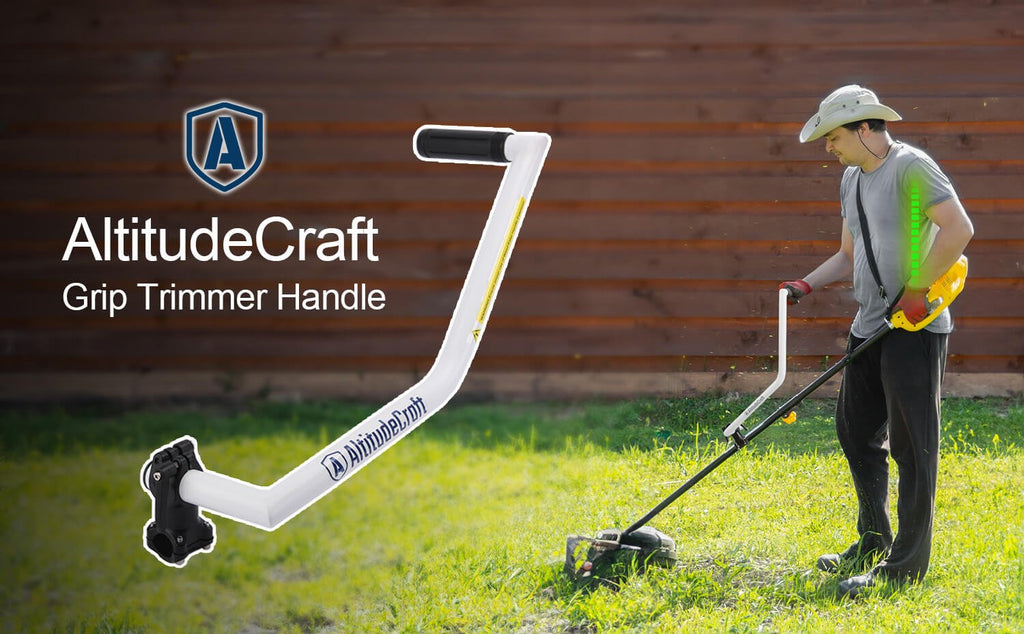
Shaft design significantly impacts usability. Curved shafts position the cutting head at a natural angle for edging but limit reach under low obstacles. Straight shafts provide better reach and cleaner power transmission but can be more difficult to store. Adjustable-length shafts accommodate users of different heights, while telescoping designs offer customized fit. For properties with varied terrain, look for shafts that quickly convert between straight and curved configurations.
Handle ergonomics prevent hand fatigue during extended use. Loop handles (D-handles) work well for lighter tasks but offer less control with powerful machines. Bicycle-style handles distribute weight across both hands for better control with heavy-duty trimmers. Padded grips with vibration isolation reduce fatigue during extended sessions. Commercial models often include full harness systems that transfer the machine’s weight to your hips rather than shoulders.
Must-Have Comfort Features for Extended Use
Look for models with tool-less adjustment systems that let you customize shaft length and handle position without carrying extra tools. Vibration-reduction technology matters significantly for gas trimmers—models with dual-spring isolation systems reduce user fatigue by up to 70% compared to basic designs. For properties requiring more than 30 minutes of continuous trimming, invest in a professional harness system that transfers weight to your hips rather than shoulders. Your back will thank you after multiple trimming sessions throughout the season.
Calculate True Ownership Costs Before Buying
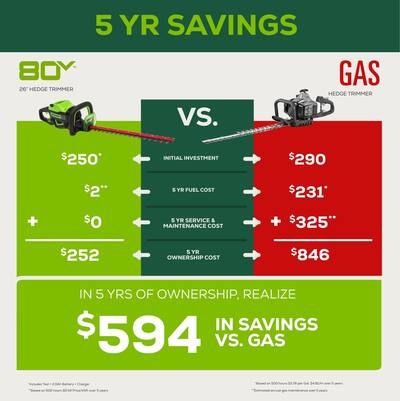
The purchase price represents only 20-30% of your total investment over a trimmer’s lifespan. Smart buyers considering how to pick a weed trimmer factor in long-term costs that often exceed the initial purchase price.
Corded electric trimmers have minimal ongoing costs—just electricity and occasional line replacement. No batteries to replace, no fuel to purchase, and virtually no maintenance beyond occasional motor brush replacement. Total ownership costs remain extremely low over the machine’s lifespan.
Battery-powered trimmers require battery replacement every 3-5 years as capacity degrades. Quality 40V-60V batteries cost $50-$150, so budget for at least one replacement during the tool’s lifespan. Proper storage (50% charge, moderate temperatures) extends battery life significantly. When comparing models, factor in ecosystem value—tools that share batteries with your other equipment maximize long-term value.
Gas trimmers incur ongoing fuel costs plus regular maintenance. Two-stroke engines require fuel mixed at precise ratios (typically 50:1), adding oil costs to every tank. Annual maintenance includes spark plug replacement ($5-$15), air filter cleaning ($10-$20), and occasional carburetor service ($50-$100). For frequent users, these costs add $50-$150 annually to ownership expenses. Four-stroke engines eliminate fuel mixing but cost slightly more upfront.
When Gas Becomes the Economical Choice
Contrary to popular belief, gas trimmers often prove more economical for properties exceeding 10,000 square feet. The higher initial cost pays off through unlimited runtime without battery swaps or cord management. For users trimming more than 45 minutes weekly, gas eliminates the need for multiple batteries and chargers required by electric alternatives. Calculate your actual usage—properties requiring more than 30 minutes of weekly trimming typically benefit from gas power’s unlimited runtime.
Make Your Final Decision Based on Real-World Needs
With all factors considered, your perfect trimmer balances power, comfort, and long-term value with your specific requirements. Don’t pay for features you won’t use or sacrifice essential capabilities to save money upfront.
For small urban yards under 5,000 square feet, prioritize lightweight design and maneuverability over raw power. A quality 40V battery trimmer or corded electric model provides more than enough capability while minimizing physical strain. Look for bump feed systems and 12-13 inch cutting widths that navigate tight spaces easily.
For typical suburban properties (5,000-15,000 square feet), invest in a versatile 40V-60V battery platform or 25cc-30cc gas trimmer. These handle mixed vegetation while remaining manageable for average users. Choose adjustable shafts, comfortable handles, and 14-15 inch cutting widths that balance efficiency with maneuverability. If you already own compatible battery tools, expanding that ecosystem makes the most financial sense.
For large properties exceeding 15,000 square feet or challenging terrain, select professional-grade equipment that won’t leave you frustrated mid-job. A 35cc-50cc gas trimmer or 80V battery platform delivers necessary power for thick vegetation and extended use. Prioritize commercial-grade construction, comfortable harness systems, and four-stroke engines (or quality two-stroke mix systems) that maximize reliability during demanding tasks.
Before finalizing your purchase, test the trimmer if possible—many retailers allow in-store demonstrations. Pay attention to balance, vibration levels, and how easily you can operate controls. The right trimmer feels like a natural extension of your body, not a burden to wrestle through your yard. Combined with proper protective gear (safety glasses, hearing protection, closed-toe shoes), your well-chosen trimmer will make quick work of yard maintenance season after season.
Leave a Reply