
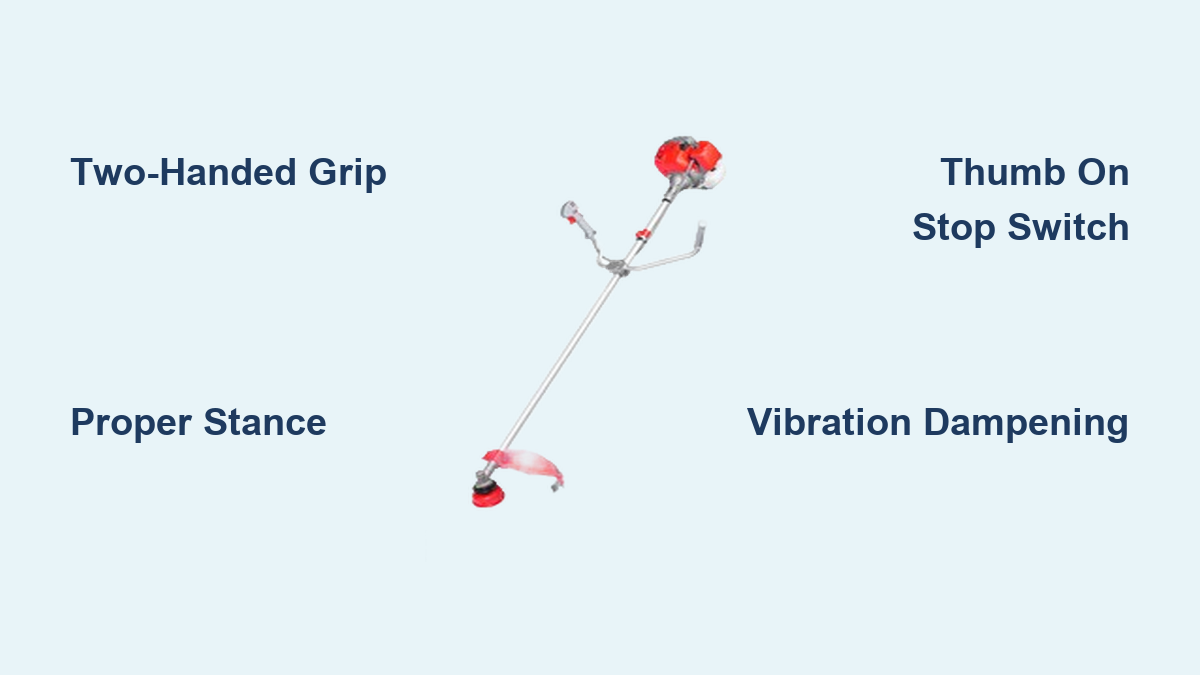
Nothing ruins a smooth lawn care session faster than awkward arm fatigue or poor trimming results from improper grip. When you’re wrestling with a vibrating weed trimmer that seems to have a mind of its own, the problem often starts with how you’re holding the equipment. Learning how to hold a weed trimmer correctly transforms your experience from a battle against your tools to a controlled, efficient lawn maintenance session. The proper grip technique directly impacts your safety, reduces physical strain during extended use, and dramatically improves your trimming precision. In this guide, you’ll discover the exact positioning your hands and body need for different trimmer types, common grip mistakes that lead to accidents, and professional techniques that make trimming feel almost effortless.
Why Your Current Grip Might Be Causing Problems
Most DIY lawn care enthusiasts unknowingly develop poor grip habits that compromise both safety and effectiveness. When you hold a weed trimmer incorrectly, you’re not just making your job harder—you’re potentially creating dangerous situations where the tool could kick back or slip from your control. The vibration feedback from improper grip accelerates hand fatigue, forcing you to stop frequently and reducing your overall trimming quality.
How Improper Grip Leads to Trimmer Kickback
Kickback occurs when the trimmer head contacts an obstruction at just the wrong angle, sending sudden rotational force through the shaft. This dangerous reaction happens most frequently when operators grip the handles too loosely or position their hands incorrectly. Maintain firm but flexible pressure in your grip—white-knuckle tension actually reduces your ability to react to unexpected resistance. Position your dominant hand at the rear handle with fingers wrapped fully around the circumference, not resting on top where they can slip during sudden movements.
Physical Strain from Poor Weed Trimmer Holding Technique
Ignoring proper ergonomics when holding your trimmer transforms a routine chore into a physically demanding task. Many users develop wrist pain, shoulder strain, or even back problems from compensating for an inefficient grip position. When you don’t distribute the weight properly between both hands, your dominant arm bears excessive vibration that travels up your skeleton. The solution lies in balanced hand placement that allows the tool’s weight to rest naturally in your palms rather than your fingers.
Correct Two-Handed Grip Positioning for Maximum Control

Professional landscapers maintain consistent results through specific grip techniques that maximize control while minimizing fatigue. The exact positioning varies slightly depending on your trimmer type, but the fundamental principles remain consistent across all models.
Gas-Powered Trimmer Grip Technique

For heavier gas-powered models, proper balance is critical. Position your dominant hand on the rear U-shaped handle with your thumb wrapped underneath for maximum control during throttle operation. Your non-dominant hand belongs on the front handle in a “handshake” grip—thumb on top, fingers wrapped underneath. This configuration gives you precise directional control while counterbalancing the engine weight at the opposite end. Keep elbows slightly bent, not locked, to absorb vibration naturally through your joints rather than your bones.
Battery and Electric Trimmer Hand Placement
Lighter electric and battery models still require proper grip technique despite their reduced weight. Many users make the mistake of operating these with one hand, which severely compromises control. Maintain the same two-handed grip as gas models, but you can position your hands slightly closer together on the shaft for enhanced maneuverability in tight spaces. The front hand should remain approximately shoulder-width from the rear hand to maintain optimal leverage.
Body Positioning That Works With Your Grip Technique
Your hand position alone won’t create an effective trimming session—your entire body must work in harmony with how you hold a weed trimmer. Proper stance creates stability that prevents accidental slips and allows smooth, controlled movements.
Foot Position for Stability on Uneven Ground
Stand with feet shoulder-width apart in a slight athletic stance, knees slightly bent. On slopes, position your feet perpendicular to the grade rather than facing directly up or down the incline. This stance provides maximum stability when the trimmer encounters resistance that could otherwise throw you off balance. Always keep your footing secure before engaging the cutting head—never operate from unstable positions like ladders or uneven terrain without proper support.
Torso Rotation Technique for Smooth Cutting
Rather than twisting at the waist with each pass, pivot from your hips while keeping your spine neutral. Your arms should move as an extension of your torso, not independently. This technique reduces back strain and creates more consistent cutting height. When trimming along edges, lead with your front shoulder while maintaining your grip position—this natural movement keeps the trimmer head properly angled without requiring wrist contortions.
Troubleshooting Common Grip-Related Problems
Even with proper initial positioning, various issues can develop during extended trimming sessions that compromise your grip effectiveness. Recognizing and correcting these problems immediately prevents accidents and maintains trimming quality.
Fixing Arm Fatigue During Extended Use

If your arms begin trembling or feeling heavy after 15-20 minutes of use, your grip technique needs adjustment. The most common cause is gripping too tightly—your hands should maintain contact but not squeeze the handles with maximum force. Periodically shake out your hands during natural breaks in your trimming pattern. Consider wearing padded gardening gloves that absorb vibration without reducing your tactile connection to the controls.
Correcting Trimmer Head Wobble From Loose Grip
Excessive head movement during operation typically indicates insufficient grip stability. Check that both hands maintain three points of contact on each handle (thumb plus at least two fingers). Your front hand should be positioned just behind the deflector shield for maximum leverage over the cutting head. If wobble persists despite proper grip, inspect your trimmer for worn bushings or loose head assembly that requires maintenance.
Safety Considerations Specific to Trimmer Grip
Your grip technique directly impacts your safety more than most operators realize. Proper hand placement creates crucial milliseconds of reaction time when encountering unexpected obstacles.
Emergency Shutdown Grip Position
Practice positioning your thumb near the stop switch while maintaining your working grip. This allows instant engine shutdown if the trimmer contacts an object it shouldn’t. Never operate with your thumb resting on the throttle trigger when not actively cutting—maintain a “ready position” with your thumb alongside the controls for rapid response.
Glove Selection That Enhances Grip Safety
Not all work gloves improve your ability to hold a weed trimmer properly. Choose gloves with textured palm surfaces that maintain grip even when sweaty, but avoid excessively thick padding that reduces your tactile feedback from the controls. The ideal glove allows you to feel throttle resistance and handle vibrations that provide critical operational feedback.
Maintenance Tips for Consistent Grip Performance
Your grip technique works best when your equipment functions properly. Certain maintenance issues directly affect how the trimmer feels in your hands.
Vibration Dampening System Checks
Excessive vibration often stems from worn vibration isolators rather than poor grip technique. Before each use, inspect the rubber dampeners between the engine and shaft for cracks or hardening. Replace these components according to your manufacturer’s schedule—typically every 50-100 hours of operation. Properly maintained dampeners reduce hand fatigue by up to 40%, making it easier to maintain correct grip position.
Cable and Control Tension Adjustments
Stiff throttle cables or loose control levers force you to compensate with improper grip pressure. Lubricate control cables periodically with silicone-based lubricant and adjust free play according to your owner’s manual specifications. Smooth, responsive controls allow lighter grip pressure while maintaining precise throttle control.
Mastering how to hold a weed trimmer properly transforms a potentially frustrating chore into an efficient, controlled lawn care activity. By implementing these grip techniques specific to your trimmer type, you’ll notice immediate improvements in cutting precision, reduced physical strain, and enhanced safety. Remember that proper grip isn’t a one-time adjustment but an ongoing practice that becomes second nature with attention to detail. Start each trimming session by consciously checking your hand positions before starting the engine, and you’ll develop muscle memory that keeps you safe and effective. For best results, take brief grip position checks every 10-15 minutes of operation to catch subtle shifts that could compromise your control. When you hold your weed trimmer correctly, you’re not just operating equipment—you’re extending your body’s capabilities to shape your landscape with professional results.
Leave a Reply