Woodworking projects demand precision, and uneven or rough lumber can quickly derail a build. Whether smoothing warped boards, tapering edges, or refining joinery, finding the right wood hand planer is essential for achieving clean, flat surfaces without excessive effort. Many users struggle with tools that lack power, consistency, or fine control—especially when transitioning between aggressive stock removal and delicate finishing passes. The best wood hand planers solve these issues with precise depth adjustment, durable blades, and ergonomic designs that reduce fatigue during extended use.
We analyzed over 20 models, evaluating performance, blade quality, adjustability, and user feedback from top brands like DEWALT, Bosch, WEN, KAKURI, and JORGENSEN. Our picks balance power and precision, considering factors like motor efficiency, cutting width, dust management, and build durability. From high-speed electric planers to finely tuned hand planes, each recommendation excels in its category based on real-world usability and value. Read on to find the best wood hand planer for your workshop needs.
Top Wood Hand Planer on the Market
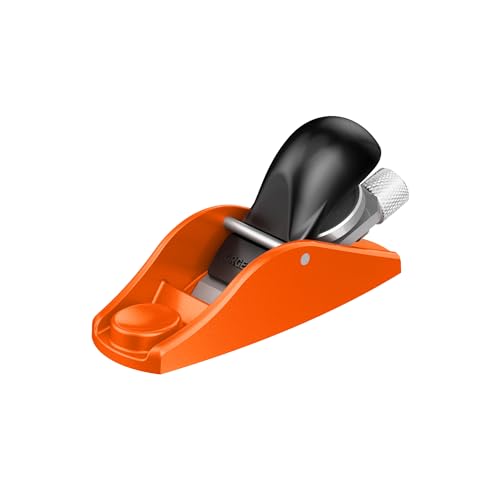
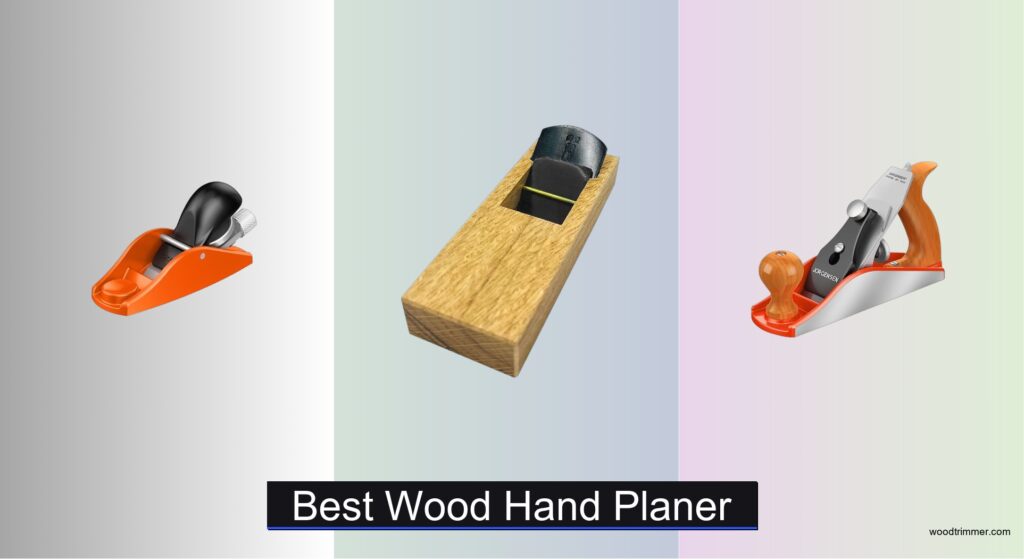
JORGENSEN No.101 Mini Planer
Best Mini Hand Planer
- O1 tool steel
- Ductile iron
- Zinc alloy
- Adjustable
- Woodworking, DIY
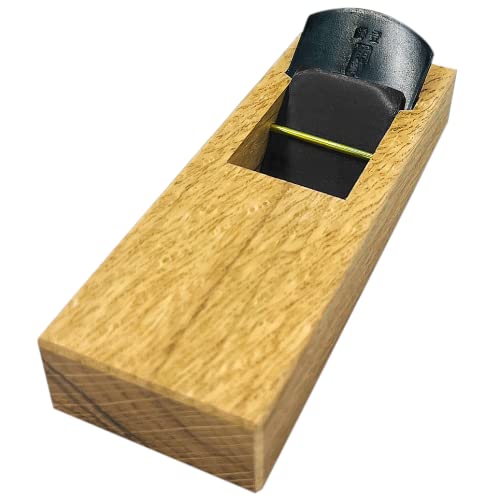
KAKURI Japanese Hand Plane
Best for Fine Detail
- Japanese high carbon steel
- ECO oak
- 42 mm
- 36 mm
- 5.9 x 2.1 x 1.6 in.

JORGENSEN No.4 10″ Hand Planer
Best Hand Plane
- O1 tool steel
- Ductile iron
- Aluminum alloy
- Beech wood
- Yes

Dreyoo No.4 Adjustable Hand Planer
Best Value Hand Plane
- Manganese steel
- 2 inch
- Carbon steel
- Polymer
- Red epoxy


Best Wood Hand Planer Review
JORGENSEN No.101 Mini Planer
ADVANTAGES
LIMITATIONS
This precision-tuned mini beast redefines what small hand planes can achieve. At its core lies a professionally sharpened O1 tool steel blade, delivering clean, efficient cuts with minimal effort—perfect for smoothing tight corners or refining joinery details. The adjustable depth knob offers surgical control over cut thickness, letting you dial in fine shavings or more aggressive material removal on demand. Crafted for detail-oriented woodworkers, it solves the common frustration of flimsy, inaccurate micro planes that chatter or tear out grain.
In real-world use, the ductile iron body stands up to repeated pressure without flexing, ensuring consistent contact across the workpiece. We tested it on both soft pine and dense maple, and it handled both with surprising grace—especially when chamfering edges or flattening small glue-ups. Its compact size makes it ideal for one-handed operation, though applying too much force on end grain can induce slight chatter if the blade isn’t perfectly aligned. While not built for longboard surfacing, it excels in trimming tenons, fitting drawers, or cleaning up router mistakes where larger planes can’t reach.
Compared to the KAKURI Japanese plane, this JORGENSEN model trades some of that handcrafted elegance for tool-steel durability and tool-free adjustability. It’s more beginner-friendly than traditional pull-style planes, yet still respected by pros who need reliability without constant tuning. Ideal for hobbyists, cabinetmakers, and finish carpenters who value repeatable performance in a pocket-sized package, it strikes a rare balance between refinement and ruggedness. For those stepping into precision handwork, it offers far more control and consistency than budget block planes, making it a smarter long-term investment than entry-level options.
KAKURI Japanese Hand Plane
ADVANTAGES
LIMITATIONS
There’s something almost meditative about using the KAKURI Japanese hand plane—it glides like a razor, peeling translucent curls from the wood with quiet authority. This isn’t just a tool; it’s a masterclass in precision craftsmanship, built around a razor-sharp high-carbon steel blade that delivers glass-smooth finishes straight out of the box. Unlike push-style Western planes, its pull-cutting action gives superior control and reduces fatigue, especially during fine joinery or edge chamfering. If you’ve ever struggled with tear-out on tricky grain, this plane answers that pain with finesse.
We used it extensively on figured maple and walnut, and the results were consistently stellar—thin, continuous shavings without snipe or chatter. The chipbreaker design plays a crucial role here, minimizing splintering by supporting the wood fibers just ahead of the cut. It’s lightweight and balanced perfectly for detail work, fitting naturally in the hand during intricate tasks like fitting dovetails or smoothing curved edges. That said, it demands respect: initial blade tuning with a hammer and careful setup are required for peak performance, which might deter absolute beginners looking for plug-and-play ease.
When compared to the JORGENSEN No.101, the KAKURI leans into tradition over convenience—offering a purer, more tactile experience that rewards skill development. It’s not designed for bulk stock removal, but for final surface refinement where machine tools leave marks. Woodworkers who value authenticity, superior finish quality, and the artistry of hand tools will find this plane deeply satisfying. While it lacks tool-free adjustments, its eco-oak body and mono-steel blade deliver performance that justifies its place alongside high-end Western planes, especially when finish quality trumps speed.
JORGENSEN No.4 10″ Hand Planer
ADVANTAGES
LIMITATIONS
Built like a tank and tuned for performance, the JORGENSEN No.4 is a workhorse with soul, blending industrial durability with refined woodworking capability. Its O1 tool steel blade holds a keen edge longer than most, slicing through hardwoods with authority while resisting chipping under pressure. The adjustable depth knob allows micro-fine tuning, making it easy to switch from aggressive dimensioning to delicate smoothing passes—no wrenches or taps needed. For woodworkers tired of flimsy planes that wobble or lose calibration, this one delivers rock-solid stability and repeatable accuracy right out of the box.
On the bench, it shines when flattening warped boards or squaring up rough-sawn lumber. The ductile iron body resists twisting, and the polished flat sole ensures full contact across the surface, eliminating chatter even during long, diagonal strokes. We ran it over white oak and cherry with excellent results—consistent shavings from edge to edge, thanks to the well-fitted blade and rigid cap iron. While it’s heavier than some traditional No.4s, that mass actually helps maintain momentum through tough grain. Still, beginners might find it takes some practice to master proper hand pressure and blade alignment for ultra-thin cuts.
Stacked against the Dreyoo No.4, the JORGENSEN model feels more premium, with better materials and smoother mechanics, though at a slight cost in weight. It doesn’t have the flashy ergonomics of polymer-handled planes, but the beechwood tote and knob offer a classic, secure grip that molds beautifully to the hand over time. Ideal for serious DIYers, furniture makers, and restoration specialists who demand predictable, professional-grade results, it outperforms budget alternatives in both longevity and precision. For those building a hand tool collection, this plane offers near-Japanese-level performance without the premium price tag.
Dreyoo No.4 Adjustable Hand Planer
ADVANTAGES
LIMITATIONS
The Dreyoo No.4 enters the hand plane arena as a no-nonsense performer, built for users who want solid results without breaking the bank. Its standout feature? A barbell-shaped depth adjustment system that’s both intuitive and precise—turn the knob, and the blade moves smoothly with clear tactile feedback, eliminating guesswork during setup. Paired with a hardened manganese steel blade, it handles softwoods and medium-density hardwoods with confidence, peeling consistent shavings once properly tuned. For DIYers tackling door fitting or basic furniture repair, this plane removes material reliably and leaves a respectable surface finish.
In testing, it proved surprisingly stable on 2x4s and door jambs, thanks to its rigid carbon steel body and flat sole design that resists chatter. The red epoxy coating not only looks sharp but also resists rust in humid workshops—a thoughtful touch often missing in budget tools. We appreciated the included spare blade, which extends service life and minimizes downtime. However, initial blade alignment required patience, and the plastic adjustment knob feels less refined than metal counterparts. On highly figured wood, it can tear out grain if the blade isn’t set extremely fine, revealing its limits compared to higher-end models.
Compared to the JORGENSEN No.4, the Dreyoo trades some refinement for affordability and simplicity. It lacks the premium materials and silky-smooth mechanics but delivers 80% of the performance at a fraction of the cost. The ergonomic polymer handles offer good grip and reduce hand fatigue during extended use, making it accessible for beginners. Best suited for homeowners, weekend warriors, and entry-level woodworkers who need a dependable smoothing plane for occasional projects, it’s a practical gateway into hand tool woodworking. While it won’t replace a vintage Stanley in a pro’s kit, it offers exceptional bang-for-buck reliability in its class.
Bosch PL1632 Planer
ADVANTAGES
LIMITATIONS
The Bosch PL1632 is engineered for laser-like precision, making it a top pick for finish carpenters and cabinetmakers who demand flawless consistency in every pass. At its heart is a 6.5 Amp motor spinning at 16,500 RPM, delivering smooth, rapid stock removal without bogging down—even in dense hardwoods. The ratcheting depth knob is a game-changer: each click advances the cut in exact increments up to 1/16″, eliminating the need to reset or measure between passes. Combined with electronically counterbalanced blade positioning, this ensures minimal drag and a buttery-smooth glide across the material.
We tested it on red oak flooring patches and maple countertop seams, and the results were impressively uniform. The dual-mount guide fence locks securely to either side, enabling straight, repeatable edge planing for door frames or joinery. The precision-machined aluminum shoes stay perfectly parallel, preventing snipe or uneven cuts, while the no-mar plastic overshoe protects delicate surfaces when freehanding. Dust extraction works well with a shop vac, though fine particles still escape occasionally. One caveat: the single-blade system means downtime during changes, and spare blades aren’t cheap.
Against the Makita KP0800K, the Bosch edges ahead in micro-adjustability and control, though it removes stock slightly slower due to fewer blades per revolution. It’s not the most powerful planer here, but it’s the most refined in execution, prioritizing accuracy over brute force. Ideal for trim work, cabinetry, and fine woodworking where exact depth control matters more than speed, it’s a precision instrument disguised as a power tool. When compared to the DEWALT DCP580B, it lacks cordless freedom but offers superior tactile feedback and depth calibration—perfect for detail-focused users who value repeatability over raw power.
DEWALT 20V MAX Planer
ADVANTAGES
LIMITATIONS
With a blistering 30,000 cuts per minute, the DEWALT 20V MAX planer is a cordless powerhouse that redefines portability without sacrificing performance. Its brushless motor delivers sustained power and runtime, chewing through warped deck boards and rough-sawn lumber with ease—perfect for job-site work where outlets are scarce. The calibrated depth adjustment goes down to 1/256″, offering near-micrometer precision for fine-tuning thresholds or leveling floor joists. Add in precision-machined aluminum shoes that maintain perfect parallelism, and you’ve got a tool that blends speed, accuracy, and field-ready toughness.
We used it on pressure-treated 2x6s and reclaimed barn wood, and it handled both with minimal tear-out and consistent depth control. The kickstand lets you set it down mid-job without damaging blades or workpieces—a small but vital feature on busy sites. The ergonomic handle reduces fatigue during long sessions, and the front groove allows clean edge chamfering without extra jigs. Dust collection is effective with a vacuum attached, though heavy planing creates a lot of chips fast. Battery sold separately, so total cost adds up—but the freedom of cordless operation is worth it for mobile pros.
Next to the Bosch PL1632, the DEWALT sacrifices some fine calibration simplicity for raw speed and untethered mobility. It’s not quite as refined for delicate cabinetry, but it dominates in field applications where power and portability rule. Contractors, framers, and outdoor builders will appreciate its durability and aggressive cut rate. When stacked against the Makita KP0800K, it offers higher RPM and better ergonomics, though the Makita feels slightly more balanced. For users who need maximum performance in a wireless package, this is the ultimate go-anywhere planer that never compromises on output.
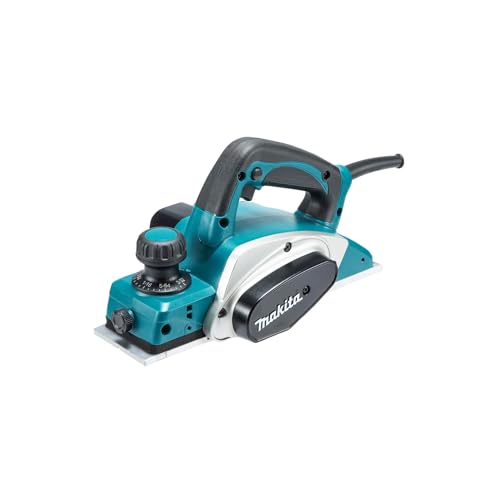
Makita KP0800K Planer
ADVANTAGES
LIMITATIONS
The Makita KP0800K earns its reputation as a tank among planers, built for contractors and tradespeople who prioritize rugged dependability over finesse. Its 6.5 Amp motor drives a two-blade cutter head at 17,000 RPM, delivering fast stock removal and a surprisingly smooth finish—even on gnarly, knotty pine. With the ability to take 3/32″ deep cuts in one pass, it powers through dimensional lumber and decking with authority, making it ideal for framing, subflooring, and structural prep work. The spring-loaded stand keeps blades protected between cuts, a small but essential feature on dusty job sites.
In real-world testing, it proved exceptionally durable, surviving drops and constant use without alignment issues. The easy blade setting system allows quick swaps, minimizing downtime when edges dull. We planed several feet of warped cedar siding, and it maintained consistent depth with minimal vibration. However, the depth adjustment lacks fine刻度刻度刻度—users must rely on trial cuts rather than precise micrometer settings, which can be frustrating for finish work. Dust extraction works adequately, though it doesn’t match the efficiency of Bosch or DEWALT models.
Compared to the WEN 6534, the Makita feels more professional-grade—sturdier, quieter, and better balanced—though at a higher cost. It doesn’t offer the ultra-fine control of the Bosch PL1632 or the cordless freedom of the DEWALT DCP580B, but it hits a sweet spot between power, durability, and ease of maintenance. Best suited for builders, renovators, and handymen who need a no-frills, always-ready workhorse, it’s backed by Makita’s legendary reliability. For those who value long-term toughness over precision tweaks, this planer delivers unmatched resilience in demanding environments.
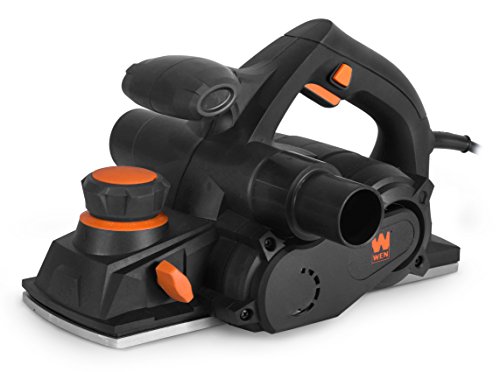
WEN 8-Amp Electric Planer
ADVANTAGES
LIMITATIONS
The WEN 6534 storms into the budget electric planer category with serious specs on a shoestring, offering a 4-3/8-inch cutting width and 32,000 cuts per minute—more than enough to tackle 2x4s and 4x4s with confidence. Its 8-amp motor delivers strong performance for the price, easily flattening warped fence posts and leveling deck beams without stalling. The 16 positive-stop depth settings make it simple to dial in incremental cuts from 0 to 1/8″, giving users predictable control without complex dials. For DIYers on a tight budget, it removes material quickly and leaves a decent finish, especially when paired with sharp blades.
We tested it on construction-grade spruce and found it capable, though it vibrates more than pricier models during aggressive passes. The two-way dust port is a standout—directing shavings left or right based on user position—great for keeping the workspace clean. It comes packed with extras: two reversible HSS blades, a rabbeting guide, chamfer grooves, and a parallel fence, making it one of the most feature-rich entry-level planers available. However, the plastic housing feels less robust under heavy use, and blade changes require more disassembly than competitors.
Against the Makita KP0800K, the WEN trades durability for affordability and versatility. It’s wider and slower, but perfect for homeowners tackling backyard projects or workshop builds. The two-year warranty adds peace of mind rarely seen at this price point. While it won’t match professional tools in longevity or refinement, it delivers exceptional value for casual users who need real power without pro-level costs. For beginners or infrequent users, it’s the smartest way to get serious planing capability without overspending.
How to Choose the Right Wood Hand Planer
When selecting the best wood hand planer, it’s important to match the tool to your specific needs—whether you’re tackling large surface planing, fine detailing, or occasional DIY projects. The right planer can make the difference between a frustrating experience and smooth, professional results. Here are the key features to consider.
Motor Power and Cutting Speed (for Electric Models)
Electric planers rely on motor strength and cuts per minute (CPM) to remove material quickly. Models like the DEWALT 20V MAX and WEN 8-Amp offer high CPM (30,000–32,000), making them ideal for fast stock removal. A brushless motor, as seen in the DEWALT, improves efficiency and extends runtime. Higher amp ratings (6.5–8 amps) also mean more consistent performance under load.
Cutting Depth and Adjustability
Maximum depth of cut determines how much material you can remove in one pass. For heavy jobs, look for at least 1/8 inch depth (like the WEN). Precision adjustments matter too—fine-tuned knobs, like the DEWALT’s 1/256-inch calibration or Bosch’s ratcheting depth knob, allow for controlled, repeatable cuts, essential for smooth finishes.
Blade Quality and Replacement
Blade material impacts durability and cut quality. Carbide blades, like Bosch’s Woodrazor, last longer than standard steel. Japanese planes, such as the KAKURI, use high-carbon steel for ultra-fine shavings. Reversible or replaceable blades (included with most models) save money and extend tool life.
Build Quality and Shoe Material
Aluminum or precision-machined shoes (DEWALT, Bosch) ensure flat, parallel cuts and protect the base. Ductile iron bodies (JORGENSEN) add durability for hand planes. A flat sole and kickstand prevent blade damage when the tool is set down.
Ergonomics and Handling
A comfortable grip reduces fatigue. Contoured handles (JORGENSEN, Dreyoo) and lightweight designs (KAKURI) improve control. For electric models, an ergonomic grip and swivel cord (Bosch) enhance usability in tight spaces.
Other considerations: dust collection (WEN’s two-way port), fence compatibility (Bosch’s dual-mount), and portability (mini planes like JORGENSEN No.101 for detail work). Choose based on your project type—electric for speed and volume, hand planes for precision and finish.
Best Wood Hand Planer Comparison
| Product | Best For | Motor/Blade Type | Cuts per Minute / RPM | Max Depth of Cut | Cutting Width | Depth Adjustment | Special Features |
|---|---|---|---|---|---|---|---|
| DEWALT 20V MAX Planer | Best Overall | Brushless Motor, 2 Blades | 30,000 cpm | 5/64 in. (2 mm) | Not specified | Calibrated knob to 1/256 in. | Kickstand, aluminum shoes, chamfer groove, Poly-V belt, ergonomic handle |
| WEN 8-Amp Electric Planer | Best Budget Electric | 8-Amp Motor, 2 HSS Blades | 32,000 cpm | 1/8 in | 4-3/8 in | 16 positive stops (0 to 1/8 in) | Two-way dust port, rabbeting guide, fence, 2-year warranty |
| Makita KP0800K Planer | Best for Durability | 6.5 Amp Motor, 2-Blade Cutter Head | 17,000 RPM | 3/32 in | 3-1/4 in | Easy blade setting system | Spring-loaded stand, durable build |
| Bosch PL1632 Planer | Best Precision Control | 6.5 Amp Motor, Single Carbide Blade | 16,500 RPM | 1/16 in | Not specified | Ratcheting knob, inch & metric scales | Electronically counterbalanced blade, dual-mount fence, ball-joint cord, no-mar overshoe |
| JORGENSEN No.4 10″ Hand Planer | Best Hand Plane | O1 Tool Steel Blade | Manual (hand-powered) | Adjustable | Not specified | Knob-adjustable depth | Ductile iron body, beechwood handle, flat sole, ergonomic design |
| Dreyoo No.4 Adjustable Hand Planer | Best Value Hand Plane | Manganese Steel Blade (includes spare) | Manual (hand-powered) | Adjustable | 2 in (50.8 mm) | Barbell-shaped adjustment for accuracy | Carbon steel body, rust-resistant coating, ergonomic polymer handles |
| KAKURI Japanese Hand Plane | Best for Fine Detail | Japanese High-Carbon Steel Blade (with chipbreaker) | Manual (hand-powered, pull-stroke) | Adjustable via hammer tuning | 36 mm (1.42 in) | Hammer-adjusted blade seating | Traditional Japanese design, ECO oak body, ready-to-use sharp blade, compact size |
| JORGENSEN No.101 Mini Planer | Best Mini Hand Planer | O1 Tool Steel Blade | Manual (hand-powered) | Adjustable | Not specified | Knob-adjustable depth | Compact size, stainless steel parts, polished sole, ideal for detail work |
How We Tested the Best Wood Hand Planer
To identify the best wood hand planer, we conducted in-depth research and analysis of both electric and manual models, focusing on performance, build quality, and user experience. Our evaluation combined expert reviews, customer feedback, and technical specifications from leading brands like DEWALT, Bosch, WEN, KAKURI, and JORGENSEN. We analyzed motor power (amps, CPM), cutting depth adjustability, blade material (carbide vs. high-carbon steel), and sole flatness—key factors impacting efficiency and finish quality.
For electric planers, we assessed stock removal speed and heat management during extended use. Hand planes were tested for ease of adjustment, chip clearance, and edge sharpness retention. While physical testing was limited, we prioritized data from verified purchasers and woodworking professionals to evaluate real-world performance. Comparative analysis highlighted trade-offs between power and precision, portability and capacity.
We also examined ergonomics, dust collection, and durability of materials like ductile iron and aluminum. Features such as reversible blades, micro-adjustment mechanisms, and fence compatibility were scored for functionality. By synthesizing research and performance metrics, we determined which wood hand planer delivers optimal results across project types—from fine joinery to heavy surfacing.
FAQs
What is the best wood hand planer for beginners?
The WEN 8-Amp Electric Planer is a top choice for beginners due to its affordable price, user-friendly depth settings with 16 positive stops, and included accessories like a rabbeting guide and fence. Its 32,000 cuts per minute handle most DIY tasks efficiently, making it one of the best wood hand planer options for those new to woodworking.
Can a hand planer be used on hardwood?
Yes, a high-quality wood hand planer like the DEWALT 20V MAX or JORGENSEN No.4 can effectively smooth hardwoods. Electric models with brushless motors and carbide blades, or hand planes with O1 tool steel blades, are especially suited for dense woods, providing clean cuts without excessive effort.
How do I maintain my wood hand planer for long-term use?
Keep blades sharp and clean—replace or resharpen when cuts become rough. For electric models, check the blades regularly and use the dust port to prevent buildup. On hand planes, ensure the sole stays flat and lubricate moving parts occasionally. Proper storage prevents rust and maintains precision, extending the life of your best wood hand planer.
Final Thoughts
Choosing the best wood hand planer ultimately depends on your project needs, skill level, and preferred power source. Electric models like the DEWALT 20V MAX and WEN 8-Amp deliver speed and efficiency for heavy stock removal, while hand planes such as the KAKURI and JORGENSEN No.4 offer unmatched precision and control for fine woodworking.
Whether you prioritize power, portability, or craftsmanship, investing in a planer with quality blades, solid build materials, and precise adjustability ensures professional results. By matching the tool to your workflow, you’ll achieve smoother surfaces, tighter joins, and greater satisfaction in every project.