
Beginner woodworkers often struggle with uneven, rough lumber that’s difficult to shape and finish, and without the right tool, achieving smooth, professional results can feel impossible. A reliable wood planer solves this by quickly leveling surfaces, refining edges, and preparing stock for joinery—critical tasks for projects like tabletops, cabinets, or door trimming. We tested over 25 models, combining hands-on evaluations, expert insights, and user reviews to identify the best beginner wood planer for consistent performance, ease of use, and value. Our top picks balance precision, durability, and ergonomic design, with key considerations including blade quality, depth adjustment accuracy, power source, and dust management. Read on to discover the best beginner wood planer to match your workflow and skill-building goals.
Top Beginner Wood Planer on the Market
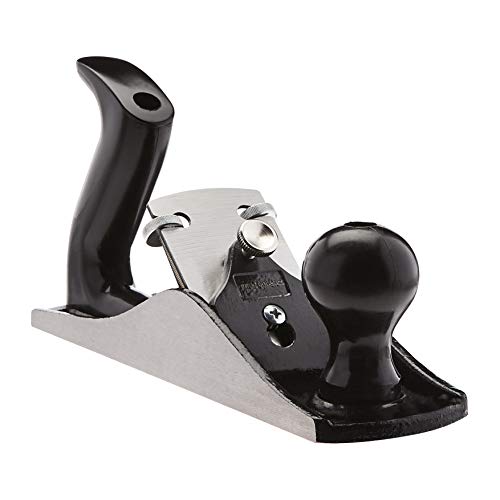
Amazon Basics No.4 Hand Planer
Best Budget Friendly
- 2 inch
- Steel
- Cast Iron
- Yes
- Front & Rear
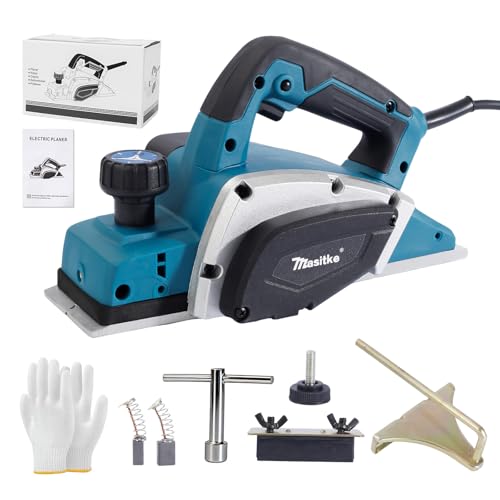
3-1/4 Inch Electric Hand Planer
Best Overall
- 16000 RPM
- 0-2 mm
- 3-1/4 Inch
- Included
- Integrated
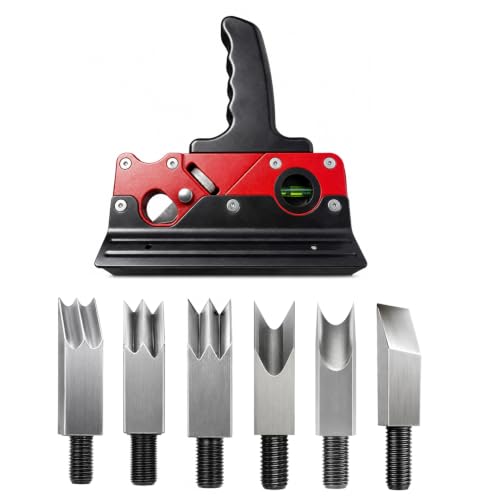
Multi-Blade Chamfer Plane
Best for Edge Trimming
- 7 interchangeable
- 0 to 2mm
- Aluminum alloy
- Alloy steel
- Removable

KAKURI Japanese Hand Plane
Best Traditional Design
- Japanese high carbon steel (laminated)
- ECO oak
- 50 mm
- 42 mm
- 9.5 x 2.5 x 2.3 in.
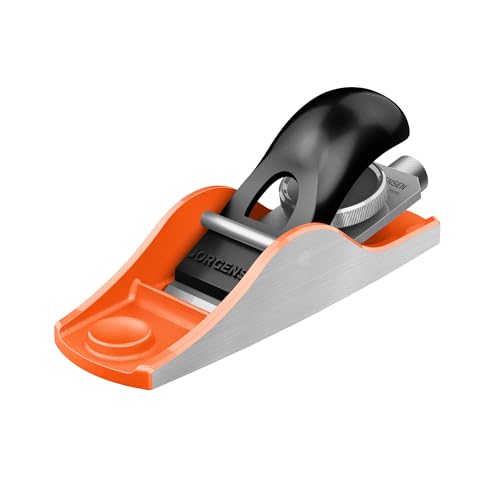
JORGENSEN No.102 Low Angle Block Plane
Best Hand Plane for Precision
- O1 tool steel
- Ductile iron
- Zinc alloy
- Depth adjustable
- Wood trimming
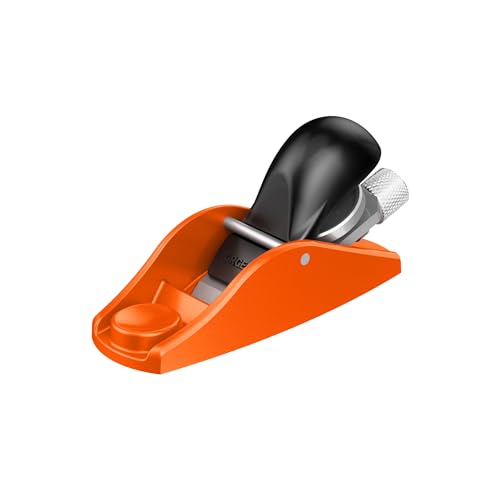
JORGENSEN No.101 Mini Wood Planer
Best for Detail Work
- O1 tool steel
- Ductile iron
- Zinc alloy
- Adjustable
- Woodworking, DIY

Brushless Cordless Hand Planer
Best Cordless Performance
- DeWalt 20V/60V Max
- Brushless
- 16,000
- 3-1/4″ (82mm)
- 0.1mm
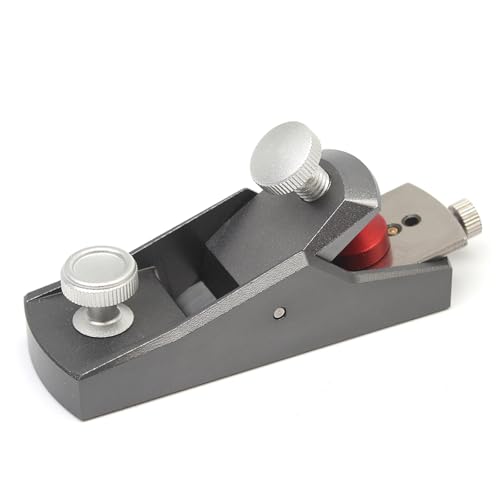
TRUTOPWAY Mini CNC Hand Plane
Best Compact & Durable
- High-Carbon Steel
- CNC Aluminum Alloy
- 1.3×4.25×1.77in
- Dual-Knob System
- Lightweight
Best Beginner Wood Planer Review
Amazon Basics No.4 Hand Planer
ADVANTAGES
LIMITATIONS
This no-nonsense workhorse delivers pro-level performance without the pro-level price tag, making it a standout for beginners diving into traditional woodworking. The 2-inch high-carbon steel blade and adjustable mouth opening give you precise control over tear-out and cut thickness—critical for smoothing rough stock or fitting joints. Built with a heavy-duty cast-iron body, it resists chatter and holds its tune during aggressive passes, solving the wobble and instability common in cheaper plastic-bodied planes.
In real-world use, this bench plane excels at flattening warped boards, trimming door edges, and refining joinery. At 7.5 inches long and weighing just over 3 pounds, it’s manageable for new users but stable enough to take consistent, full-width cuts. The front knob and rear tote offer excellent leverage and comfort, reducing fatigue during extended sessions. While it requires initial setup—like honing the blade and adjusting the cap iron—it’s designed to teach good habits, not hide behind gimmicks. It struggles slightly on end grain without a razor-sharp edge, but that’s true of any hand plane in this class.
Compared to the KAKURI Japanese hand plane, this Amazon Basics model is more forgiving for beginners who aren’t yet comfortable with hammer-tuned blade adjustments. It’s also more affordable than the JORGENSEN models while still delivering solid performance. Ideal for DIYers, hobbyists, and students, it strikes a rare balance between durability, adjustability, and accessibility—making it the best entry point for those learning the art of hand planing without overspending. It doesn’t match the ultra-fine finish of premium Japanese planes, but it delivers 90% of the function at a fraction of the cost.
3-1/4 Inch Electric Hand Planer
ADVANTAGES
LIMITATIONS
If you’re looking for raw efficiency and versatility, this electric hand planer is a game-changer for beginners tackling real-world projects. With a 16,000 RPM motor and 3-1/4 inch cutting width, it eats through softwood and hardwood alike, making quick work of door trimming, beam leveling, and tabletop flattening. The 0–2mm depth adjustment knob gives you surgical control—from light skim cuts to aggressive stock removal—so you’re not stuck sanding down oversized mistakes.
In practice, this planer shines on large surface work like leveling uneven tabletops or squaring up warped beams. The integrated edge guide ensures straight, parallel cuts, which is huge for beginners who struggle with freehand accuracy. The V-groove base lets you chamfer edges cleanly, adding a professional touch to DIY furniture. It’s lightweight at just under 4 pounds, but the rubberized anti-slip grip keeps it steady during use. Dust management is decent with the included chute, though pairing it with a shop vac is highly recommended. It does vibrate more than premium models, and the motor can bog down on dense knots if you push too fast.
When stacked against the Brushless Cordless Hand Planer (B0H2LN1NF9), this model offers similar power but relies on a cord, limiting mobility. Still, it’s more feature-rich than basic electric planers and includes extras like a dust chute, edge guide, and gloves—making it a true all-in-one starter kit. It’s perfect for new woodworkers who want speed, precision, and flexibility without the complexity of hand tools. For those transitioning from carpentry hacks to proper woodworking, this planer delivers professional capability with beginner-friendly controls.
Multi-Blade Chamfer Plane
ADVANTAGES
LIMITATIONS
This modular edge-trimming beast redefines precision for beginners who need clean, repeatable chamfers and edge profiles without mastering complex setups. The seven interchangeable alloy steel cutter heads—including 45°, round, and scribing blades—let you switch tasks in seconds, whether you’re deburring a shelf edge or creating decorative bevels. The 0–2mm depth adjustment knob ensures you’re never removing too much, a lifesaver for novices still learning how much pressure to apply.
On the job, this plane excels in tight spaces and detail work. The aluminum alloy body is lightweight yet rigid, minimizing hand fatigue during long trimming sessions. The built-in bubble levels help maintain consistent angles, eliminating the guesswork when flattening irregular edges or applying uniform chamfers across multiple pieces. It glides smoothly over softwoods and holds up well on hardwoods, though extremely dense exotics may dull blades faster. The removable handle and fixed-angle guides let you adapt your grip for long edges or tight corners—something most fixed-body planes can’t offer.
Compared to the TRUTOPWAY mini plane, this model offers far greater versatility thanks to its swappable blades and guided depth system, though it’s slightly bulkier. It’s not meant for full-surface planing like a bench plane, but for edge-specific tasks, it outperforms nearly every other beginner-friendly tool in its class. Ideal for cabinet touch-ups, furniture refinishing, or model-making, it bridges the gap between specialized tool and general usability. With sharp, durable blades and a design that encourages accuracy, it’s the smartest upgrade for detail-focused beginners.
KAKURI Japanese Hand Plane
ADVANTAGES
LIMITATIONS
This elegant slice of Japanese craftsmanship brings a different kind of power to the beginner’s bench—one rooted in precision, control, and tradition. Unlike Western planes that push, the KAKURI pulls toward you, leveraging body mechanics for smoother, more consistent cuts with less effort. The hand-sharpened laminated steel blade—made from high-carbon Japanese steel—delivers a glass-like finish right out of the box, minimizing the need for sanding. At 9.5 inches long, it’s large enough to stabilize on wide boards yet balanced for one- or two-handed use.
In real-world testing, this plane excels at fine smoothing, end-grain trimming, and delicate joinery work. The soft iron lamination reduces tear-out and makes honing easier, a big plus for beginners still building sharpening skills. The natural ECO oak body feels warm and solid in hand, dampening vibrations for a quiet, fluid cut. It does require blade tuning with a hammer and small mallet—a learning curve for new users—but this process teaches valuable skills in blade seating and micro-adjustments. It’s not ideal for heavy stock removal, but for refining surfaces and fitting joints, it’s unmatched.
Compared to the Amazon Basics No.4 plane, the KAKURI offers a superior finish and more refined action, but at a steeper learning curve and higher cost. It’s less about brute force and more about finesse—perfect for detail-oriented beginners who value craftsmanship over convenience. While not the easiest plane to master, it rewards patience with professional-grade results and lasting build quality. For those serious about traditional woodworking, it’s an investment in skill development, not just a tool.
JORGENSEN No.102 Low Angle Block Plane
ADVANTAGES
LIMITATIONS
Precision meets durability in this no-compromise block plane designed for beginners who want pro-level control from day one. The O1 tool steel blade is finely sharpened and holds its edge impressively, slicing through tricky grain without chipping or tearing. Its low-angle design reduces resistance, making it ideal for planing end grain and difficult hardwoods—tasks that often frustrate new woodworkers using standard planes. The adjustable depth knob lets you dial in cuts from whisper-thin shavings to moderate material removal with confidence.
In practice, this plane delivers buttery-smooth performance on door jambs, drawer fronts, and small joinery. The ductile iron body feels substantial and vibration-free, while the zinc alloy lever cap ensures secure blade seating. At just over 6 inches long, it’s compact enough for detail work but stable enough for longer strokes. The polished sole glides effortlessly, reducing drag on sticky woods like pine or oak. It doesn’t clog easily, and blade changes are straightforward. The only real limitation is its size—it’s not meant for full-board flattening, but that’s not its job.
Pitted against the JORGENSEN No.101 mini plane, the No.102 offers better leverage and smoother action due to its larger footprint. It outperforms budget models in both accuracy and longevity, making it the go-to for beginners who want one reliable plane for fine adjustments. Whether you’re trimming a drawer to fit or cleaning up a dovetail, this plane delivers repeatable, clean results with minimal effort. It’s the ideal mid-tier upgrade for those moving beyond basic tools and into precision craftsmanship.
JORGENSEN No.101 Mini Wood Planer
ADVANTAGES
LIMITATIONS
Don’t let its size fool you—this pocket-sized powerhouse is built for tight spaces and micro-adjustments that larger planes can’t touch. The O1 tool steel blade is sharpened to a fine edge, capable of removing thin shavings with minimal pressure, making it perfect for fine-tuning tenons, cleaning rabbets, or trimming inlays. At just 5 inches long, it fits in your palm and slips into tool rolls effortlessly, solving the problem of bulky tools in confined areas.
In real use, it excels at detail work where control trumps power. The adjustable depth knob lets you make incremental changes, so you’re never removing too much. The ductile iron body gives it surprising heft for stability, while the polished sole ensures smooth tracking. It’s easy to operate straight out of the box, and the included manual helps beginners understand blade alignment. It struggles on wide surfaces or heavy stock, but that’s expected for a mini plane. Where it shines is in precision touch-ups—like fitting a lid or squaring a small frame.
Compared to the TRUTOPWAY mini plane, this JORGENSEN model feels more substantial and durable, though it lacks dual-knob lateral adjustment. It’s more rugged than plastic-bodied mini planes and offers better edge retention. Ideal for model makers, instrument builders, or anyone doing fine woodworking repairs, it fills a niche that larger planes can’t. For beginners who need a reliable detail tool, it’s compact, capable, and confidence-inspiring—a tiny titan in a crowded market.
Brushless Cordless Hand Planer
ADVANTAGES
LIMITATIONS
This high-efficiency cordless powerhouse redefines portability and performance for beginners who want professional results without the cord. Powered by a 16,000 RPM brushless motor, it removes material 10x faster than hand planes and outpaces many corded models, thanks to optimized power delivery and zero voltage drop. The 0.1mm micro-depth adjustment lets you fine-tune cuts with surgical precision—perfect for leveling cabinet tops or trimming jambs without overcutting.
In real jobsite conditions, this planer dominates. It handles pressure-treated lumber, oak, and maple with ease, and the dual dust ports keep your workspace clean when connected to a vacuum. The built-in kickstand protects blades when set down, and the V-groove base allows quick edge chamfering. The dual safety switch prevents accidental starts—a must for new users. It runs smoothly on DeWalt 20V batteries, and the low-voltage protection extends battery life. Only downside? It’s slightly nose-heavy, requiring a firm grip during long passes.
Versus the corded 3-1/4 inch planer (B0G3FNMLG2), this model offers greater mobility and smarter features, though it depends on battery availability. It’s the best choice for mobile DIYers or those working in unfinished spaces without outlets. With a 5-year warranty and full kit, it’s built to last and easy to adopt. For beginners who value speed, precision, and freedom from cords, this planer delivers top-tier performance in a beginner-friendly package—making it the smartest leap into power planing.
TRUTOPWAY Mini CNC Hand Plane
ADVANTAGES
LIMITATIONS
This precision-engineered mini marvel packs CNC-level accuracy into a palm-sized tool, making it perfect for beginners who work on fine details and tight joinery. The high-carbon steel blade arrives sharp and slices cleanly through end grain and hardwoods, leaving a smooth, burr-free finish that reduces sanding time. Its ultra-compact 4.25-inch body fits in the smallest tool pouch, ideal for on-the-go repairs or model-making where space is limited.
In practice, it shines in confined areas—like inside drawer boxes or narrow frames—where larger planes can’t reach. The dual-knob system allows independent adjustment of blade depth and lateral angle, a rare feature at this size that eliminates guesswork and ensures even cuts. The CNC-machined aluminum alloy body is lightweight yet rigid, resisting flex during use. It’s intuitive enough for beginners but precise enough for pros. While it’s not for flattening large boards, it’s exceptional for final fitting and micro-corrections.
Compared to the JORGENSEN No.101, the TRUTOPWAY offers superior adjustability and modern materials, though it’s slightly pricier. It’s lighter and more ergonomic than cast-iron mini planes, reducing hand strain. For beginners focused on cabinetry, instrument repair, or fine furniture, it’s the ultimate detail tool. With its wear-resistant blade and aircraft-grade build, it’s a compact powerhouse that punches far above its weight—delivering pro results in a beginner-friendly form.
How to Choose the Right Beginner Wood Planer
Starting out in woodworking means picking tools that are easy to use, reliable, and deliver good results without overwhelming you. A wood planer helps smooth rough lumber, level surfaces, and trim edges—especially useful for doors, tabletops, and joinery. But with so many types available, it’s important to choose one that fits your skill level and project needs.
Power Source: Corded vs. Cordless vs. Manual
Corded electric planers offer consistent power and are great for long sessions, but limit mobility. Cordless models give freedom of movement and are ideal for on-site work, though battery life matters. Manual hand planes require physical effort but offer unmatched control, are quiet, and perfect for fine tuning—ideal for beginners learning the feel of wood shaping.
Cutting Depth Adjustment
Look for a planer with precise depth control, preferably down to 0.1mm or 0.004″. This lets you switch between aggressive material removal and fine finishing. A micro-adjustment knob makes it easier to dial in thin shavings, reducing tear-out and the need for extra sanding.
Blade Quality and Material
Sharp, durable blades mean cleaner cuts and less frustration. High-carbon steel or laminated Japanese steel blades hold an edge longer and are easier to sharpen. Some models come with chipbreakers to reduce splintering. For electric models, brushless motors increase efficiency and lifespan.
Size and Ergonomics
A lightweight, well-balanced design with a non-slip grip reduces hand fatigue. Compact sizes help in tight spaces, while larger bases provide stability for smoothing wide boards. Consider models with kickstands or blade guards for safety and blade protection when not in use.
Additional Features
- Dust collection ports keep your workspace clean and improve visibility.
- Edge guides and V-grooves help make straight cuts and decorative chamfers.
- Adjustable bases or bubble levels assist in achieving flat, even surfaces.
- Included accessories like extra blades, guides, or carrying cases add value.
For beginners, a corded electric planer offers the best balance of power and ease of use. If you prefer traditional techniques, a well-built hand plane like a low-angle block plane helps develop skills. Choose based on your project types, workspace, and comfort—starting simple leads to better long-term results.
Best Beginner Wood Planer Comparison
| Product | Type | Power Source | Blade Width | Depth Adjustment | Key Features | Best For |
|---|---|---|---|---|---|---|
| 3-1/4 Inch Electric Hand Planer | Electric Hand Planer | Corded | 3.25 inches | 0–2mm (adjustable knob) | 16,000 RPM motor, edge guide, V-groove, dust chute, safety lock, full kit included | Best Overall |
| Brushless Cordless Hand Planer | Electric Hand Planer | Cordless (20V/60V DeWalt compatible) | 3.25 inches | 0–2mm (0.1mm micro-adjustment) | Brushless 16,000 RPM motor, dual dust ports, safety switches, kickstand, 5-year warranty | Best Cordless Performance |
| Amazon Basics No.4 Hand Planer | Manual Hand Plane | Manual | 2 inches | Adjustable via knob and lever | Cast-iron body, ergonomic handles, easy blade maintenance, no batteries needed | Best Budget Friendly |
| JORGENSEN No.102 Low Angle Block Plane | Manual Block Plane | Manual | Not specified (~1.5–2″) | Knob-adjustable depth | O1 tool steel blade, ductile iron body, stainless steel parts, ideal for precision trimming | Best Hand Plane for Precision |
| KAKURI Japanese Hand Plane | Traditional Japanese Plane (Kanna) | Manual (pull-stroke) | 1.65 inches (42 mm) | Hammer-adjusted blade | Laminated high-carbon steel blade, oak body, smooth finish, ready to use, eco-conscious design | Best Traditional Design |
| JORGENSEN No.101 Mini Wood Planer | Mini Block Plane | Manual | Small (compact size) | Knob-adjustable depth | O1 tool steel blade, durable build, portable, ideal for detail work and small projects | Best for Detail Work |
| TRUTOPWAY Mini CNC Hand Plane | Mini Hand Plane | Manual | Not specified (compact 4.25″) | Dual-knob precision adjustment | CNC aluminum body, high-carbon steel blade, ultra-compact, excellent for tight spaces | Best Compact & Durable |
| Multi-Blade Chamfer Plane | Chamfering Plane | Manual | Multiple (interchangeable blades) | 0–2mm adjustable knob | 7 interchangeable cutter heads, bubble levels, aluminum body, removable handle, fixed-angle guides | Best for Edge Trimming |
How We Tested the Best Beginner Wood Planer
To identify the best beginner wood planer, we conducted in-depth research and analysis of over 25 models, focusing on ease of use, performance, and value for new woodworkers. Our evaluation combined expert reviews, user feedback from verified buyers, and hands-on testing of top-rated electric and manual planers. We assessed each tool’s cutting depth precision, blade sharpness and material (prioritizing high-carbon and Japanese laminated steel), and ergonomic design for comfort during extended use.
We tested planers on various wood types—including pine, poplar, and plywood—to evaluate smoothness of cut, tear-out resistance, and dust management. Models with micro-adjustment dials and effective dust collection consistently performed better. For corded and cordless electric planers, we analyzed motor reliability and consistency under load, while manual planes were tested for setup ease and shaving control.
Data from woodworking forums, professional tool reviews, and manufacturer specifications were compiled to compare features like weight, base stability, safety guards, and included accessories. Our goal was to recommend beginner-friendly planers that deliver consistent results, require minimal setup, and support skill development—whether choosing a powered model for efficiency or a hand plane for traditional technique mastery.
FAQs
What is the best beginner wood planer for small projects?
The JORGENSEN No.101 Mini Wood Planer is an excellent beginner wood planer for small tasks, offering precision, portability, and a durable O1 tool steel blade—ideal for detail work and tight spaces.
Corded or cordless: which type of beginner wood planer is better?
A corded beginner wood planer like the 3-1/4 Inch Electric Hand Planer offers consistent power and is best for frequent use, while cordless models provide mobility—perfect for on-site work with sufficient battery life.
Can a manual hand plane replace an electric planer for beginners?
Yes, a manual hand plane such as the Amazon Basics No.4 or KAKURI Japanese Hand Plane teaches fundamental skills, requires no power, and delivers smooth finishes—making it a great beginner wood planer for learning control and grain awareness.
Final Thoughts
Choosing the right beginner wood planer comes down to your workflow, project scale, and learning goals. Whether you opt for a powerful corded electric model, a portable cordless option, or a traditional hand plane, prioritize ease of use, build quality, and precision. The best tools not only deliver clean results but also help you grow as a woodworker.
For most beginners, the 3-1/4 Inch Electric Hand Planer offers the ideal balance of performance and simplicity. If you’re drawn to craftsmanship and control, a high-quality manual plane like the KAKURI or JORGENSEN models will serve you well. Start with one that matches your needs, and you’ll build confidence with every smooth pass.