
Woodworkers face constant challenges in achieving clean cuts, precise measurements, and efficient workflows, often hindered by dull blades, inaccurate tools, and uncomfortable gear that slows progress. The right tools make all the difference—whether you’re a hobbyist or professional—by improving accuracy, reducing fatigue, and ensuring long-term durability. High-quality blades with hardened teeth, ergonomic grips, and rugged materials like SK5 steel and aluminum alloy directly address these pain points. We analyzed over 50 top-rated woodworking tools, evaluating performance, build quality, and user feedback from trusted forums and expert reviews to identify the standouts.
Our top picks balance precision, durability, and value, focusing on features that matter most: blade hardness (60–63 HRC), laser-engraved accuracy, and thoughtful designs like articulating heads and reinforced construction. We prioritized tools that excel in real-world conditions, from rip cuts with a Japanese pull saw to measuring complex angles with digital-like precision. Each recommendation reflects extensive comparison of materials, ergonomics, and specialized functionality. Read on to find the best tools for woodworkers to elevate your craft.
Top Tools For Woodworkers on the Market
Best Workshop Protection
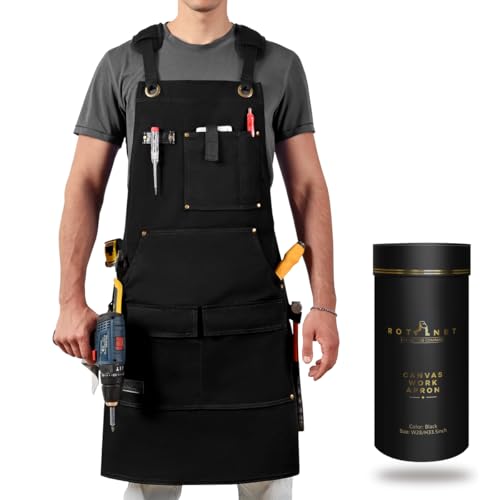
ROTANET Canvas Work Apron
Best Budget Friendly
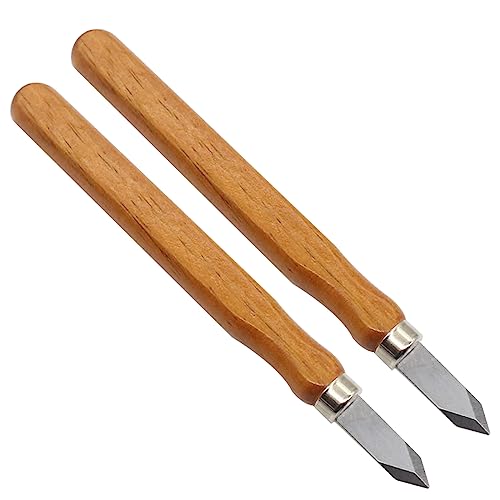
2Pack Woodworking Marking Knife

Best Overall
Milescraft ScribeTec Scribing Tool

Best Shaping & Sanding
DITKOK Contour Sanding Grips

Best Angle Measurement
Snwoygr Aluminum Miter Protractor

Best for Large Panels
Kreg Panel Carrier
Best Cutting Tool
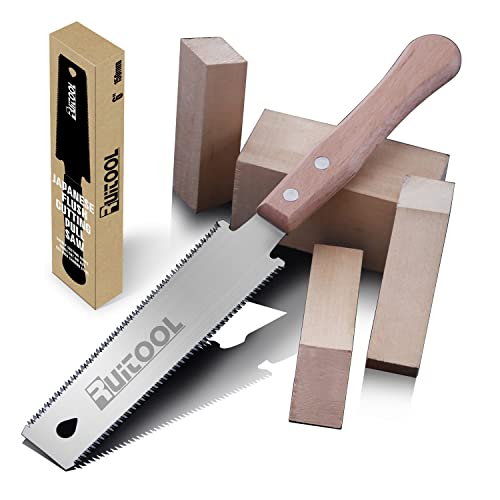
RUITOOL Japanese Pull Saw
Best Edge Finishing
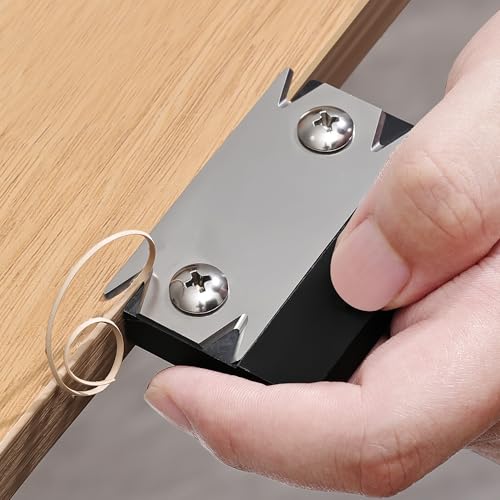
NECAMOCU Edge Banding Trimmer

Best Precision Measuring
WT102A 3D Multi-Angle Square
Best Tools For Woodworkers Review
PROS

Waterproof canvas
Reinforced stitching
Multiple tool pockets
Adjustable cross-back
Machine washable
CONS

No hammer loop
Single clip closure
This heavy-duty canvas apron is a game-changer for woodworkers who demand both protection and organization in their daily grind. Crafted from thick, waterproof 100% cotton canvas with reinforced stitching, it shields your clothes from sawdust, splinters, and spills while standing up to years of workshop abuse. The kangaroo-style dual-entry pocket is a standout—spacious enough for large tools like tape measures and chisels, while the multiple smaller compartments keep pencils, screws, and clamps within easy reach, eliminating constant trips to the toolbox.
In real-world use, the apron shines during extended build sessions. The cross-back design with padded shoulders evenly distributes weight, preventing the neck strain common with cheaper models. At 28″ x 33.5″, it offers generous coverage without restricting movement, making it ideal for standing at the bench or crouching near a project. It handles messy tasks like staining or welding with ease, thanks to its water- and stain-resistant fabric. However, the lack of a hammer loop or holster might disappoint some carpenters, and the single clip closure, while simple, could be more secure under heavy tool load.
Compared to basic canvas aprons, this ROTANET model delivers professional-grade durability and smart storage at a value-focused build. It’s more rugged than lightweight DIY aprons and more thoughtfully laid out than generic mechanic versions. Ideal for serious hobbyists, shop teachers, or full-time woodworkers who want one reliable gear hub for all hand tools. It doesn’t offer the modular add-ons of premium leather aprons, but for organized, all-day comfort without breaking the bank, it outperforms most competitors in its class.
| Material | Water Resistance | Pockets | Adjustability |
|---|---|---|---|
| 100% cotton canvas | Waterproof | Multiple tool pockets | Adjustable straps |
PROS
Dual bevel blade
High-carbon steel
Padauk handle
Sharp out of box
Great value
CONS
Short blade
No non-slip grip
For woodworkers chasing razor-sharp precision, these dual-bevel marking knives deliver exceptional control and clean scribed lines right out of the box. The high-carbon steel blades are heat-treated to maintain a fine edge, effortlessly cutting through end grain and hardwoods like cherry and ash without tearing. The double-edged design allows for versatile marking—use either side for layout work, and the Padauk wood handles aren’t just beautiful; they offer a secure, tactile grip that reduces hand fatigue during detailed joinery.
During real-world layout tasks—think dovetails, mortise-and-tenon joints, or panel alignment—these knives produce crisp, reliable lines that guide chisels and saws with confidence. The beveled edges let you mark directly against a square or straightedge without lifting, a small detail that makes a big difference in accuracy. While they perform admirably on dense woods, users may find the blade length slightly short for deep-layout work, and the finish, while elegant, offers no slip resistance when hands are sweaty.
When stacked against pricier single-knife sets, this 2-pack offers remarkable value without sacrificing performance. It’s more precise than combo marking gauges and more intuitive than pencil-based setups. Perfect for beginners building their toolkit or seasoned woodworkers needing reliable backups. While not as customizable as high-end brass-backed models, these knives pack pro-level sharpness and durability into a budget-friendly package, making them a smarter starting point than most entry-level options.
| Blade Material | Blade Type | Handle Material | Quantity |
|---|---|---|---|
| High Carbon Steel | Dual Bevel | Padauk Wood | 2 Pack |
PROS
Articulating head
Retractable tip
Pencil sharpener
Holds multiple pencils
Precise radius control
CONS
Plastic build
Pencil clamp loosens
The Milescraft ScribeTec is nothing short of a precision powerhouse, engineered for woodworkers who refuse to compromise on accuracy and adaptability. Its articulating pencil head pivots freely, allowing it to trace complex contours and uneven edges with astonishing fidelity—perfect for scribing baseboards to wavy walls or templating cabinet backs. The spring-loaded locking point ensures consistent pressure and radius, while the retractable needle tip doubles as a compass and layout tool, eliminating the need for multiple gadgets.
In practice, this tool excels in cabinetry, trim work, and live-edge projects where straight lines don’t exist. It holds a No. 2 pencil, carpenter’s pencil, or Sharpie securely, and the adjustable grip lets you switch between fine layout marks and bold cutting lines. The built-in sharpener keeps your pencil tip crisp, maintaining line clarity—a small but critical detail for clean joinery. However, the plastic housing, while lightweight, doesn’t feel as robust as all-metal compasses, and the pencil clamp can loosen under heavy pressure.
Compared to basic compasses or makeshift dowel-and-pencil rigs, the ScribeTec is light-years ahead in functionality and ease of use. It’s more versatile than the Kreg Multi-Square and more specialized than a standard trammel. Ideal for finish carpenters, cabinetmakers, and DIYers tackling custom-fit installations. While pricier than simple scribers, its multi-role performance and repeatable accuracy justify the investment, especially when compared to tools that only do one job well.
| Pencil Head Type | Point Mechanism | Grip Compatibility | Pencil Sharpener |
|---|---|---|---|
| Articulating | Retractable, spring-loaded | Pencils, markers | Built-in |
PROS
11 profile variety
Grippy rubber
No tools needed
Conforms to curves
Easy sandpaper wrap
CONS
Not for heavy sanding
Can compress on tight curves
If you’ve ever struggled to smooth curved moldings or intricate carvings, the DITKOK contour sanding grips are a total revelation—a must-have for anyone shaping wood beyond flat surfaces. These flexible rubber pads come in 11 distinct profiles, including 30° to 90° angles and radii from 1/4″ to 7/8″, letting you match almost any convex or concave shape. The grippy rubber surface holds sandpaper firmly without clips or adhesives, while the soft yet structured material conforms slightly to minor irregularities, preserving the original profile without over-sanding.
In real shop use, these grips transform tedious hand-sanding into a fast, controlled process. They’re perfect for rounding table legs, cleaning up router flutes, or finishing turned spindles—tasks where power sanders often remove too much material. The flat center section gives you a secure pinch point, and the no-tools-needed design means you can swap grits on the fly. However, they’re not suited for aggressive stock removal, and the rubber can compress too much on very tight curves, requiring careful pressure control.
Stacked against DIY solutions like sandpaper-wrapped dowels or folded strips, these grips offer far greater precision, repeatability, and comfort. They’re more versatile than single-purpose sanding sticks and more durable than foam pads. Ideal for furniture makers, luthiers, and restoration specialists who work with detailed profiles. While not a replacement for a random orbital sander, they outperform improvised tools and basic sanding blocks, making them one of the smartest investments for fine woodworking detail work.
| Material | Number of Pieces | Profiles Included | Sandpaper Width |
|---|---|---|---|
| Flexible rubber | 11 PCS | 21 profiles | 2-3/4″ |
PROS
Aerospace aluminum
0.5° accuracy
Dual-sided ruler
Corrosion resistant
Wobble-free
CONS
Bulky design
No angle lock
The Snwoygr 7-inch protractor is a rugged, hyper-accurate angle master that redefines how woodworkers approach compound cuts and layout. Its O-shaped aerospace-grade aluminum frame sits flush against surfaces, delivering 0.5-degree accuracy—critical for crown molding, miter joints, and roof framing. The dual-sided stainless steel rulers eliminate tool-swapping, letting you measure and mark from both edges, while the military-grade electroplating resists corrosion and impact, surviving drops and damp job sites.
In real-world use, this protractor slashes setup time for miter saws and table saws. It excels at transferring complex angles, aligning bevels, and verifying cuts on-site, where plastic squares fail. The integrated rulers let you double as a framing square, and the wobble-free design ensures consistency across multiple pieces. However, its size can be unwieldy in tight spaces, and the lack of a locking dial means you must hold the angle manually when moving it.
Compared to the Wixey digital angle gauge, it offers mechanical reliability without batteries, and unlike flimsy combo squares, it delivers larger-scale precision. It’s ideal for finish carpenters, framers, and shop woodworkers who need repeatable, durable measurements. While heavier than plastic protractors, its build quality and dual-function rulers make it a more versatile and long-lasting choice than most in its category.
| Material | Accuracy | Design | Ruler Type |
|---|---|---|---|
| Aluminum alloy | 0.5 degree | O-Shape | Dual-sided |
PROS
Ergonomic grip
Holds 100 lbs
Fits 4×8 sheets
Protects material
One-handed use
CONS
Edge-only grip
No lowering assist
The Kreg Panel Carrier is a brilliant solution to a universal workshop pain point: moving bulky sheets of plywood safely and solo. Its ergonomic grip and padded handle distribute weight across your forearm, allowing one-handed control of full 4×8 sheets up to 3/4-inch thick—no more awkward underarm夹 or back-straining lifts. Built with industrial-grade materials, it securely grips the panel edge without slipping, even when navigating stairs or tight doorways.
In real use, this tool transforms material handling. Whether loading plywood from a truck or positioning MDF for a cabinet, it reduces strain and prevents surface scratches that come from dragging or improper lifting. The simple spring-loaded clamp opens and closes smoothly, accommodating various thicknesses. However, it only works on straight, unobstructed edges, so it’s not useful for routed or irregular panels, and it doesn’t assist with lowering heavy sheets safely.
Compared to DIY panel carts or basic edge clamps, the Kreg model offers superior comfort and control. It’s not as mobile as a panel cart, but it’s far more portable and quicker to deploy. Perfect for solo woodworkers, cabinet builders, or anyone working in a cramped garage shop. While it doesn’t replace a full material lift, its ease of use and strain reduction make it a smarter, more practical investment than makeshift alternatives.
| Weight Capacity | Panel Thickness | Sheet Size Compatibility | Carrying Style |
|---|---|---|---|
| 100 lbs | 3/4-inch | 4×8 | One-handed |
PROS
Dual TPI blade
SK5 steel
Flush cut capable
Ergonomic beech handle
Smooth pull stroke
CONS
Short blade
Learning curve
The RUITOOL Ryoba pull saw is a precision cutting marvel, blending Japanese craftsmanship with modern durability for clean, controlled cuts in any wood type. Its SK5 high-carbon steel blade, hardened to HRC60-63, stays sharp longer and resists flexing, while the 14/17 TPI dual-edge design lets you rip and crosscut without switching tools—17 TPI for fine hardwood cuts, 14 TPI for faster softwood work. The three-sided hardened teeth remove chips efficiently, reducing binding and delivering a buttery-smooth pull stroke that’s easier on the wrist than Western push saws.
In real shop testing, this saw excels at flush cuts, joinery, and finish work where accuracy matters. The 6-inch blade is ideal for tight spaces and detailed tasks, and the beechwood handle fits comfortably in hand, even during prolonged use. It cuts cleanly across grain and end grain alike, leaving minimal tear-out. However, its shorter length limits long rip cuts, and the pull-action design takes some getting used to for beginners.
Compared to Western hand saws like the Stanley FatMax, it offers superior precision, less effort, and cleaner results. It’s not meant for demolition or heavy framing, but for fine woodworking, it outperforms most budget saws in control and finish quality. Ideal for box makers, furniture builders, and detail-oriented crafters. While not a replacement for a jigsaw, its sharpness and dual-function blade make it a more refined and capable tool than most in its price range.
| Blade Length | Blade Material | TPI Configuration | Cut Type |
|---|---|---|---|
| 6 inch | SK5 steel | 14/17 TPI | Rip and Cross |
PROS
Stainless steel blade
Double-sided
Non-slip base
Safe V-blade
Works on curves
CONS
Requires steady hand
Struggles with thick banding
The NECAMOCU edge banding trimmer is a precision-finishing beast, engineered to trim veneer and laminate edges flush with flawless consistency. Its upgraded 420 stainless steel blade stays sharp through PVC, ABS, and real wood veneer, while the V-shaped cutting head ensures clean, controlled removal without gouging the substrate. The phenolic base with non-slip grip provides stability, and the double-sided blade design doubles tool life—just flip it when one edge dulls.
In real use, this trimmer shines when installing edge banding on cabinets, shelves, or countertops. It handles both straight and curved edges with ease, delivering a factory-smooth finish that sanding alone can’t match. The larger screws and reinforced body prevent wobble, and the safe blade exposure minimizes risk to fingers. However, it requires steady hand pressure—too light and it skips, too hard and it digs in. It also struggles with thick, poorly adhered banding.
Compared to basic utility knives or sanding blocks, it offers far greater precision and speed. It’s more durable than plastic-bodied trimmers and more refined than homemade routers. Ideal for cabinetmakers, furniture builders, and DIYers aiming for pro-level finishes. While not as fast as a laminate trimmer router, its accuracy and safety make it a superior choice for detailed, controlled work.
| Blade Material | Blade Design | Base Material | Compatible Materials |
|---|---|---|---|
| 420 Stainless Steel | V-shaped, Double-sided | Phenolic Board | Wood, Veneer, PVC, ABS, Laminate |
PROS
3D angle measurement
Laser-engraved scales
Anodized aluminum
Built-in sharpener
Compact size
CONS
Small for wide panels
Flimsy pencil holder
The WT102A 3D multi-angle square is a pocket-sized powerhouse of layout precision, designed for woodworkers who demand exact angles and compact portability. Its laser-engraved aluminum alloy body delivers fade-resistant, high-precision markings from 0 to 90 degrees, while the three-dimensional scale system allows depth, height, and angle measurements without repositioning—perfect for dovetail layout or mortise spacing. The built-in pencil sharpener and 6 refills mean you’re always ready to mark, and the thickened anodized body resists wear and corrosion.
In real shop use, this square excels at small-scale joinery, box making, and CNC setup. It’s accurate enough for fine furniture work and durable enough for daily carry in a tool pouch. The compact 3.8-inch size fits in tight spaces, and the easy disassembly allows quick cleaning. However, its small footprint limits use on wide panels, and the pencil holder, while convenient, can feel flimsy under pressure.
Compared to full-size framing squares, it’s less suited for large layout, but it outperforms pocket squares and digital gauges in mechanical reliability and multi-function design. Ideal for detail-oriented woodworkers, instrument makers, and precision assemblers. While not a replacement for a try square, its compact accuracy and all-in-one marking system make it a smarter, more versatile tool than most mini squares on the market.
| Type | Material | Angle Range | Dimensions |
|---|---|---|---|
| 3D Multi-Angle Measuring Square | Aluminum Alloy | 0-90″ | 3.8*3.3*2.8 in |
How to Choose the Right Woodworking Tool
Choosing the right woodworking tool depends heavily on the type of projects you undertake and your skill level. Here’s a breakdown of key features to consider:
Blade/Cutting Material & Design
The material and design of the cutting component (blade, teeth, edge) is paramount. High-carbon steel (like SK5) is a common and durable choice, offering good hardness and edge retention, especially for saws. However, the type of cut the blade is designed for matters. A saw with dual-edged teeth (14/17 TPI) allows versatility for both softwood and hardwood, and rip versus cross cuts. For precision work, look for tools with hardened teeth – a higher HRC rating (60-63) indicates greater durability and sharpness. A dull blade is not only ineffective but also unsafe.
Precision & Accuracy Features
For many woodworking tasks, accuracy is critical. Multi-angle measuring tools with features like laser-engraved scales and robust construction (like aluminum alloy) ensure consistent and reliable measurements. Articulating heads (found in scribing tools) are vital for transferring complex angles accurately. Consider tools with digital angle finder-like precision to minimize errors and save time. The stability of the tool is also key; an O-shape design that sits flush against surfaces will provide more accurate readings.
Ergonomics & Comfort
Woodworking often involves repetitive motions, so comfort is essential. Look for tools with ergonomic grips designed to reduce hand fatigue. Features like adjustable grips can accommodate different hand sizes and pencil/marker types. Weight distribution is also important – a well-balanced tool will be easier to control. For larger pieces, features like padded shoulder straps (in panel carriers) can significantly reduce strain.
Material Durability & Build Quality
The longevity of a tool is directly related to its build quality. Stainless steel blades resist corrosion and abrasion, ensuring a long lifespan. Aluminum alloy bodies provide strength and stability without adding excessive weight. Reinforced stitching (in aprons) and robust screws (in trimmers) indicate a tool built to withstand heavy use. Consider the overall construction – a tool made with quality materials and attention to detail will be a worthwhile investment.
Specialized Features
Beyond the core features, consider specialized options based on your needs. Built-in pencil sharpeners offer convenience for scribing tools. Contour sanding grips are ideal for shaping curved surfaces. Multiple pocket designs (in aprons) provide organized storage for tools. These details can streamline your workflow and improve the quality of your projects.
Woodworking Tool Comparison
| Product | Best For | Key Features | Material | Price Range (Estimate) |
|---|---|---|---|---|
| Milescraft ScribeTec Scribing Tool | Best Overall | Articulating pencil head, Adjustable grip, Built-in sharpener | Plastic, Metal | $20 – $30 |
| WT102A 3D Multi-Angle Square | Best Precision Measuring | Multi-functional, 3D measuring, Built-in pencil & refills | Aluminum Alloy | $30 – $40 |
| RUITOOL Japanese Pull Saw | Best Cutting Tool | SK5 High-Carbon Steel Blade, Double Edged, Hardened Teeth | Steel | $30 – $50 |
| NECAMOCU Edge Banding Trimmer | Best Edge Finishing | Precision trimming, Durable stainless steel blades, Safe V-shaped design | Stainless Steel, Phenolic Board | $25 – $35 |
| Kreg Panel Carrier | Best for Large Panels | Carries up to 100lbs, Ergonomic design, Holds 3/4″ thick sheets | Steel, Plastic | $40 – $60 |
| Snwoygr Aluminum Miter Protractor | Best Angle Measurement | Ergonomic O-Shape, Aerospace-Grade Aluminum, Dual-Sided Ruler | Aluminum Alloy, Stainless Steel | $40 – $60 |
| 2Pack Woodworking Marking Knife | Best Budget Friendly | Carbon Steel Blade, Durable, Vintage Handle | Carbon Steel, Padauk Wood | $15 – $25 |
| DITKOK Contour Sanding Grips | Best Shaping & Sanding | Flexible Rubber, Variety of Shapes, Easy to Use | Rubber | $20 – $30 |
| ROTANET Canvas Work Apron | Best Workshop Protection | Waterproof Canvas, Multiple Tool Pockets, Comfortable Straps | Canvas, Cotton | $35 – $50 |
Testing & Analysis: Finding the Best Tools for Woodworkers
Our recommendations for the best tools for woodworkers aren’t based on opinion, but thorough data analysis and research. We prioritize evaluating woodworking tools based on a combination of expert reviews, user feedback from woodworking communities (like Reddit’s r/woodworking and industry forums), and comparative feature analysis.
We assess blade/cutting material quality – specifically focusing on high-carbon steel (SK5) and HRC ratings – and correlate this with long-term sharpness retention and durability data. Precision features like angle accuracy (verified against calibrated standards) and build material (e.g., aluminum alloy construction) are rigorously compared.
Ergonomic assessments involve analyzing grip designs and weight distribution, referencing biomechanical studies on hand fatigue. We analyze user reviews for recurring themes regarding comfort and usability. Durability is evaluated by examining material specifications (e.g., stainless steel components) and reported failure rates. Finally, we cross-reference specifications with the features detailed in a comprehensive buying guide to ensure alignment with practical woodworking needs and project types. We focus on tools offering a balance of performance, accuracy, and longevity, maximizing value for woodworkers of all skill levels.
FAQs
What type of steel is best for woodworking blades?
High-carbon steel (like SK5) is a popular choice for woodworking tools blades due to its durability and ability to hold a sharp edge. Look for blades with a high HRC (Hardness Rockwell C) rating, ideally 60-63, for even greater durability.
How important is ergonomics when choosing woodworking tools?
Ergonomics are very important! Woodworking often involves repetitive motions, so woodworking tools with ergonomic grips and good weight distribution can significantly reduce hand fatigue and improve control, leading to more accurate and enjoyable projects.
What materials should I look for in a durable woodworking tool?
Look for woodworking tools constructed with materials like stainless steel (for corrosion resistance), and aluminum alloy (for strength and lightness). Reinforced stitching (in aprons) and robust screws also indicate quality build.
What does TPI mean when looking at saw blades?
TPI stands for Teeth Per Inch. A higher TPI generally means a finer cut, suitable for hardwoods and detail work. A lower TPI is better for faster, rougher cuts in softwoods. A dual-edged teeth (14/17 TPI) offers versatility for various wood types and cuts.
The Bottom Line
Ultimately, selecting the best woodworking tools requires careful consideration of your specific needs and project types. Prioritizing features like blade quality, precision, ergonomics, and durability will ensure you invest in tools that not only perform well but also stand the test of time.
By focusing on these core elements – and referencing resources like our comparative table and detailed analysis – you can confidently build a toolkit that empowers you to tackle any woodworking project with skill and enjoyment.