If you’ve ever tried to drill a hole in wood and ended up with splintered edges, a wandering bit, or a misaligned opening, you know that not all tools deliver the same results. The best tool to make hole in wood isn’t a one-size-fits-all answer—it depends on your hole size, desired finish, material type, and project goals. Whether you’re installing cabinet hinges, running electrical wiring, or building fine furniture, choosing the right drilling tool can mean the difference between a professional-looking result and a frustrating mess.
From tiny pilot holes to large speaker cutouts, this guide breaks down every major tool used for making holes in wood, explains when and why to use each one, and helps you match the right bit to your specific task. You’ll learn which tools deliver clean, flat-bottomed holes, which are best for speed, and which offer unmatched flexibility for odd-sized openings.
Match the Tool to Your Hole Size
The first step in selecting the right tool to make hole in wood is determining the diameter of the hole you need. Different tools excel at different sizes—using the wrong bit leads to tear-out, overheating, or inefficient drilling.
Under 1/4″: Use Brad Point or Twist Bits
For small, precise holes—like dowel joints, model making, or pilot holes—brad point bits are ideal. Their sharp central spur prevents wandering, while outer spurs shear wood fibers cleanly. Twist bits also work for general use but may cause slight tear-out in finish-grade wood.
1/4″ to 1″: Ideal for Joinery and Cabinetry
This is the sweet spot for auger bits and brad point bits. Augers drill deep, clean holes in hardwood with minimal effort thanks to their self-feeding screw tip. Brad points remain the top choice when surface finish matters, especially in plywood or fine furniture.
1″ to 3″: Forstner Bits and Hole Saws Shine
Need a wide, flat-bottomed hole for concealed hinges or shelf pins? Forstner bits deliver unmatched precision. For faster cuts in softer woods—like framing or plumbing access—spade (paddle) bits work well, though they tend to splinter the backside.
Over 3″: Choose Hole Saws or Adjustable Cutters
For large holes (e.g., speaker enclosures, ductwork), hole saws are the fastest option. Models from brands like VEVOR and Klein Tools cut cleanly up to 6″ in diameter. For variable or custom sizes, adjustable hole cutters (like the Luomorgo 30–300mm) let you dial in any size without switching bits.
Forstner Bits: Precision for Flat-Bottomed Holes
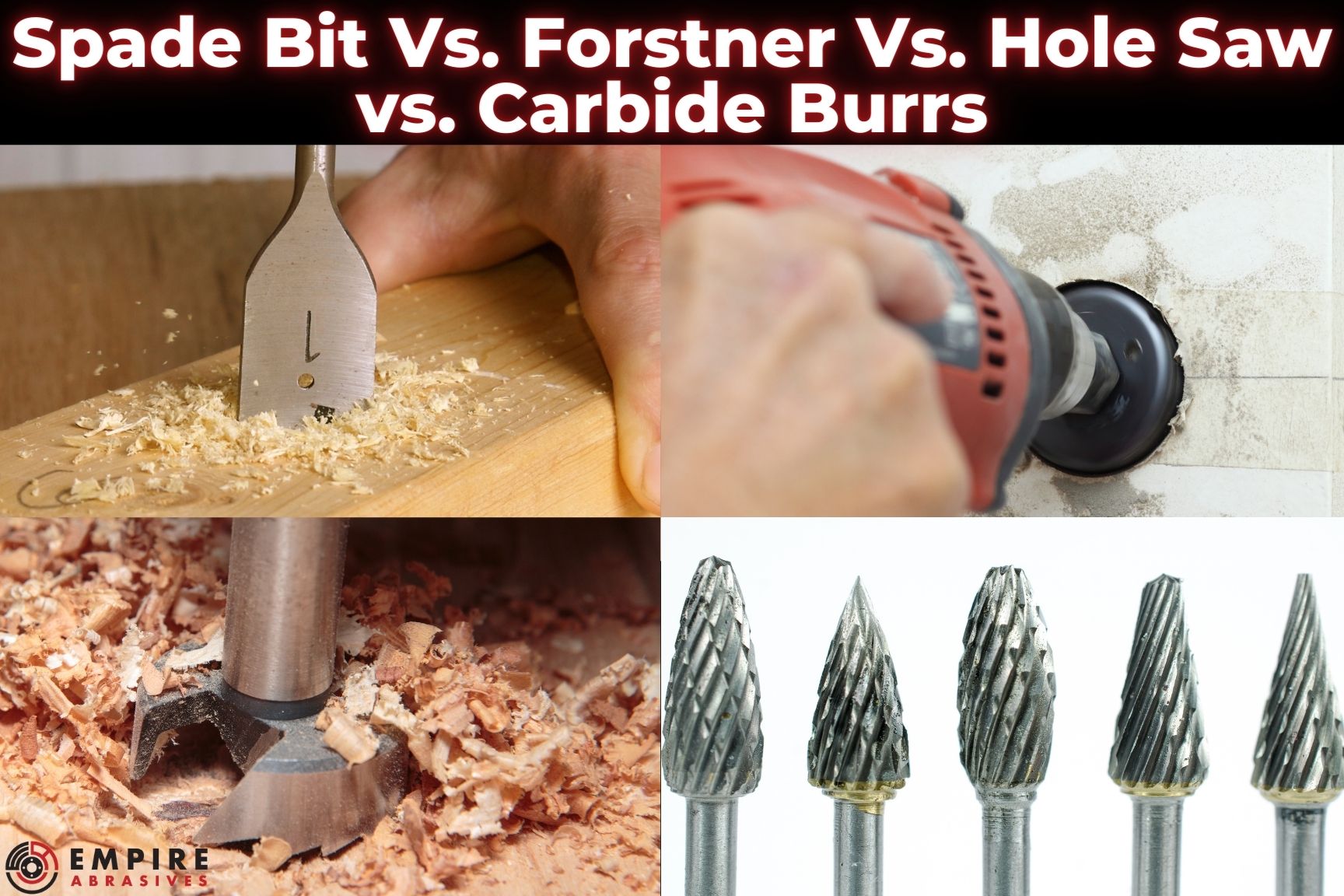
When finish quality matters most, Forstner bits are the gold standard. These specialized cutters produce smooth, flat-bottomed holes with clean edges—perfect for cabinet hardware, recessed lighting, or overlapping holes.
Why Choose a Forstner Bit?
- Cuts flat-bottomed, precise holes
- Can drill on wood edges or overlap existing holes
- Minimal tear-out on entry and exit
- Works well in hardwoods and plywood
Pro Tip: Use a drill press for perfect perpendicularity. If using a handheld drill, pair it with a guide to prevent wobbling.
Avoid Overheating and Tear-Out
Because Forstner bits cut across the full face of the hole, they generate more heat than other bits. To prevent burning:
– Drill at 800–1,200 RPM
– Lift the bit frequently to clear sawdust
– Apply light pressure—let the bit do the cutting
– Clamp your workpiece securely
Keep the bit sharp. Dull edges crush fibers instead of shearing them, leading to rough finishes.
Spade (Paddle) Bits: Fast Holes for Rough Work
If you’re framing walls or installing electrical boxes, spade bits are your go-to for speed. With a central spike and wide paddle-shaped blade, they cut aggressively through softwoods.
Common Uses:
- Drilling through studs for wiring or plumbing
- Creating access holes for HVAC ducts
- DIY home repairs
Prevent Exit Splintering
Spade bits often blow out the back of the wood. Minimize damage by:
– Placing a scrap wood backing board behind your workpiece
– Drilling slowly as you exit the material
– Using sharp bits—dull edges tear more than cut
Note: Not recommended for hardwoods or finish work. They’re fast but messy.
Auger Bits: Deep, Clean Holes in Hardwood
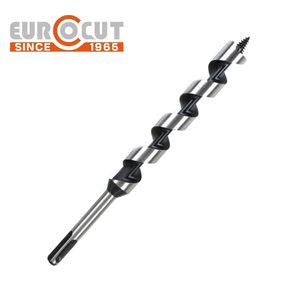
For deep, accurate drilling in dense materials like oak or maple, auger bits outperform standard twist bits. Their screw-tip design pulls the bit into the wood, reducing user effort and improving control.
Key Advantages:
- Self-feeding tip reduces hand pressure
- Deep flutes efficiently remove chips
- Excellent for dowels, timber framing, and furniture joints
Best Drilling Practices
- Use low speeds (400–600 RPM) to prevent overheating
- Lubricate flutes with beeswax or light oil if the bit squeaks
- Use in a brace or drill press for maximum stability
Top pick: TMWEFUSC 8Pcs Auger Bit Set (10–25mm), designed for hardwood and plastic.
Brad Point Bits: Clean Entry and Exit Every Time
Also known as spur bits, brad point bits are optimized for clean, accurate small holes in wood. Their central spike centers the bit, while outer spurs score the wood before the chisel edge cuts—preventing wandering and splintering.
Ideal For:
- Cabinet joinery
- Furniture assembly
- Model making and fine woodworking
Maintenance Tip: Sharpen regularly. Dull brad points crush fibers, causing tear-out. Never use them on metal—they’re designed strictly for wood.
Recommended: KATA 6PCS Hole Saw Kit includes brad point-style bits ideal for softwood, plywood, and PVC.
Hole Saws: Fastest Way to Cut Large Holes
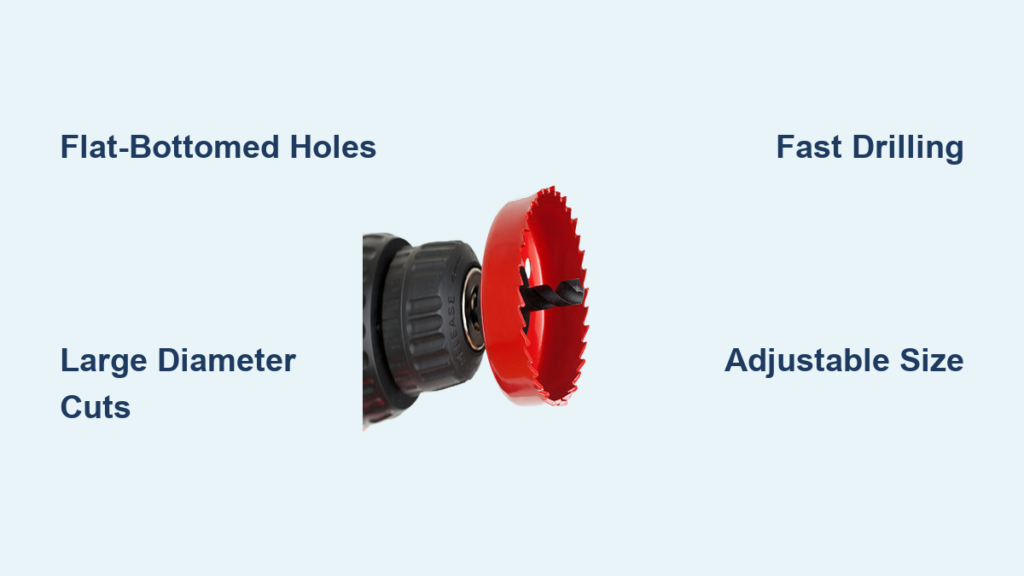
Need a 2″ to 6″ hole? Hole saws are the fastest solution. These cylindrical cutters remove a ring of material, leaving a clean, round opening.
Why Bi-Metal Saws Are Better
- Bi-metal construction (M42 steel) combines durability with flexibility
- Resists breakage when cutting wood, plastic, or thin metal
- Includes a pilot bit to keep the saw centered
Popular models:
– VEVOR 18-PCS Kit ($90.90): 3/4″ to 4-1/2″, includes case and hex key
– Klein Tools 89552: Adjustable 2″–12″, cuts wood and sheet metal
– 6-Inch Bi-Metal Hole Saw ($12.99): Great for speaker cutouts
Prevent Binding in Thick Wood
Hole saws can overheat in deep cuts. To avoid this:
– Drill at medium speed
– Back out frequently to clear chips
– Clamp workpiece firmly
– Use wax or water as coolant for MDF or plywood
For holes over 2″, consider a drill press for better control.
Adjustable Hole Cutters: One Tool, Any Size

When hole sizes vary—like in retrofit work—adjustable cutters eliminate the need for multiple bits.
Flexible Sizing
Tools like the Klein Tools 89552 or Luomorgo 30–300mm allow you to cut any diameter within range. Ideal for:
– Drywall repairs
– Cabinet modifications
– HVAC vent installations
Maximize Accuracy
Because these tools require more user control:
– Use a drill press or right-angle guide
– Mark the center clearly
– Start slow, then increase speed
– Clear debris often
Top-rated: Goldblatt G05141 Drywall Circle Cutter (4.5★, 1.6K reviews) for drywall and soft materials.
Jigsaws and Routers: For Non-Circular Holes
Not all holes are round. For custom shapes—like sink cutouts or window openings—use a jigsaw or router.
Jigsaw Method:
- Drill a starter hole with a twist bit
- Insert jigsaw blade
- Follow your layout line
- Use a fine-tooth blade for clean edges
Perfect for countertops, decorative panels, and irregular cutouts.
Router with Circle Jig:
For flawless large circles:
– Attach router to a circle jig
– Set radius from pivot point to bit
– Plunge and rotate around center
Delivers smoother edges than hole saws, especially in plywood or MDF.
Hand Tools: Quiet, Controlled Drilling
No power? No problem. Hand-powered tools offer precision and portability.
Brace: High Torque, Low Speed
A brace uses a U-handle to turn square-shank auger bits. Benefits:
– No electricity needed
– Greater control in tight spaces
– Quiet and ergonomic
Vintage models still perform well—some users even retrofit broken cordless drills with brace handles.
Eggbeater Drills: Smooth for Small Holes
These geared hand drills work best for holes up to 1/4″. Ideal for finish work. Price: $15 (used) to $50 (new).
Pin Vises: Micro Holes in Models
For jewelry or miniature projects, use a pin vise with tiny HSS bits. The 21Pcs Mini Hand Drill Bit Set includes a vise and bits under 1/8″.
Drilling Jigs: Guarantee Straight, Aligned Holes
Even the best bit won’t help if your hole is crooked. Jigs ensure accuracy.
DIY Square Jig
Create a simple guide:
1. Cut a 1¼” hardwood block
2. Mark 90° lines on all sides
3. Drill pilot hole through center
4. Use as a guide sleeve
Result: Perfectly perpendicular holes every time.
Doweling Jigs
Tools like the KFFKFF Self-Centering Kit align holes across two boards for strong, invisible joints. Includes common bit sizes: 5/16″, 3/8″, 19/32″.
Match Tool to Wood Type
Softwood (Pine, Fir)
Easy to drill—use twist, spade, or hole saws. Minimal tear-out with brad point bits. Drill faster to prevent burning.
Hardwood (Oak, Maple)
Requires sharp auger or Forstner bits. Avoid twist bits—they wander and tear. Use slower speeds.
Plywood and MDF
Prevent chipping with brad point or Forstner bits. Support the backside and drill slowly. Wear a mask—MDF creates fine dust.
Maintain Tools for Long Life
- Sharpen brad point and spade bits regularly
- Lubricate auger bits with wax or oil if squeaking
- Store bits in protective cases (e.g., VEVOR, Luckyway kits)
Upgrade to a Drill Press for Precision
For repeatable, accurate holes, a drill press is unmatched. It ensures perfect perpendicularity and allows depth stops for consistent drilling—critical for shelf pins or hardware.
Always wear safety glasses and clamp your workpiece.
Final Tip: The best tool to make hole in wood depends on your project’s size, precision, and material. For small, clean holes, use brad point or Forstner bits. For large or variable holes, choose hole saws or adjustable cutters. Hand tools offer control, while jigs and drill presses ensure accuracy. Match your tool to the task, maintain it well, and you’ll achieve professional results every time.